Maintaining oral health goes beyond brushing and flossing daily. Many habits and oversights can gradually damage your teeth and gums without you realizing it. Neglecting certain routines or believing myths about dental care can result in cavities, gum disease, and even tooth loss. Understanding common mistakes and adjusting your habits can have a lasting impact on your oral health and overall well-being.
Skipping Regular Dental Checkups
One of the most damaging mistakes people make is avoiding routine dental visits. Skipping checkups may seem harmless, especially if no pain or obvious issues are present, but problems often develop silently. Cavities, gum inflammation, and early signs of oral cancer can go unnoticed until they require more invasive treatments. Patients who delay care can end up with more extensive dental procedures that could have been prevented. Clinics like Smile 4 Texas Dental Center encourage patients to schedule regular appointments because even a small, undetected issue can escalate quickly into a serious condition that affects both teeth and gums. Trusting a professional to evaluate your oral health allows problems to be addressed before they progress.
Using Toothbrushes Incorrectly
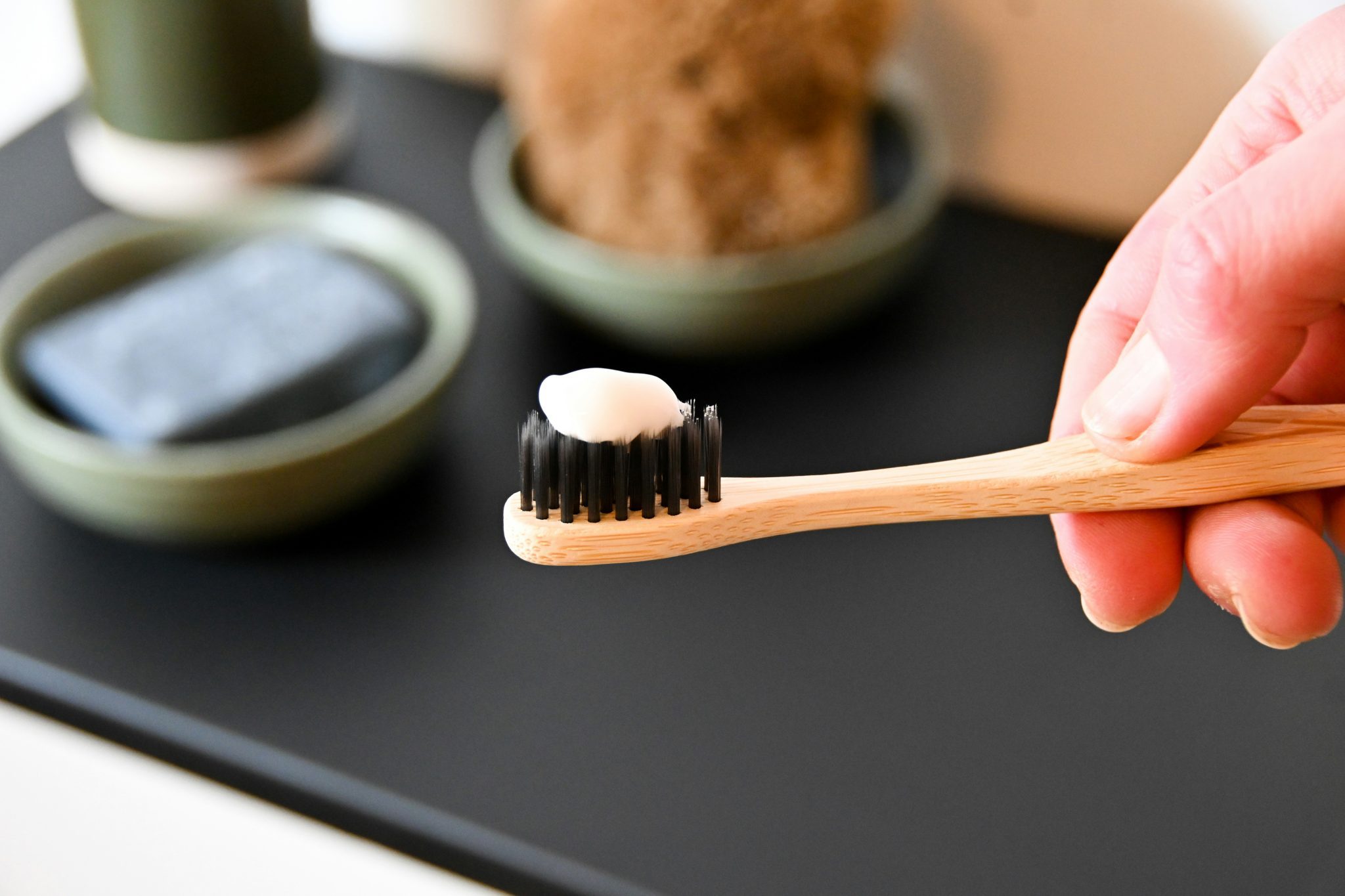
Brushing your teeth is one of the most common daily habits, yet many people do it in ways that can actually harm their oral health. Brushing too hard can wear down the protective enamel, which leaves teeth more vulnerable to decay and sensitivity. It can also irritate and recede gums over time, creating pockets where bacteria can thrive. On the other hand, brushing too lightly or rushing through the process leaves plaque and food particles behind, which may lead to cavities and gum problems.
The angle at which you hold your toothbrush matters, and using a soft-bristled brush with gentle, circular motions is often the most effective method. How long you brush also plays a role; spending at least two minutes ensures each tooth is thoroughly cleaned. Failing to replace a worn-out toothbrush can also reduce cleaning efficiency, as frayed bristles do not reach between teeth properly. Paying attention to these details and adopting consistent brushing habits can prevent gradual damage and keep your mouth healthier over the years.
Neglecting Flossing
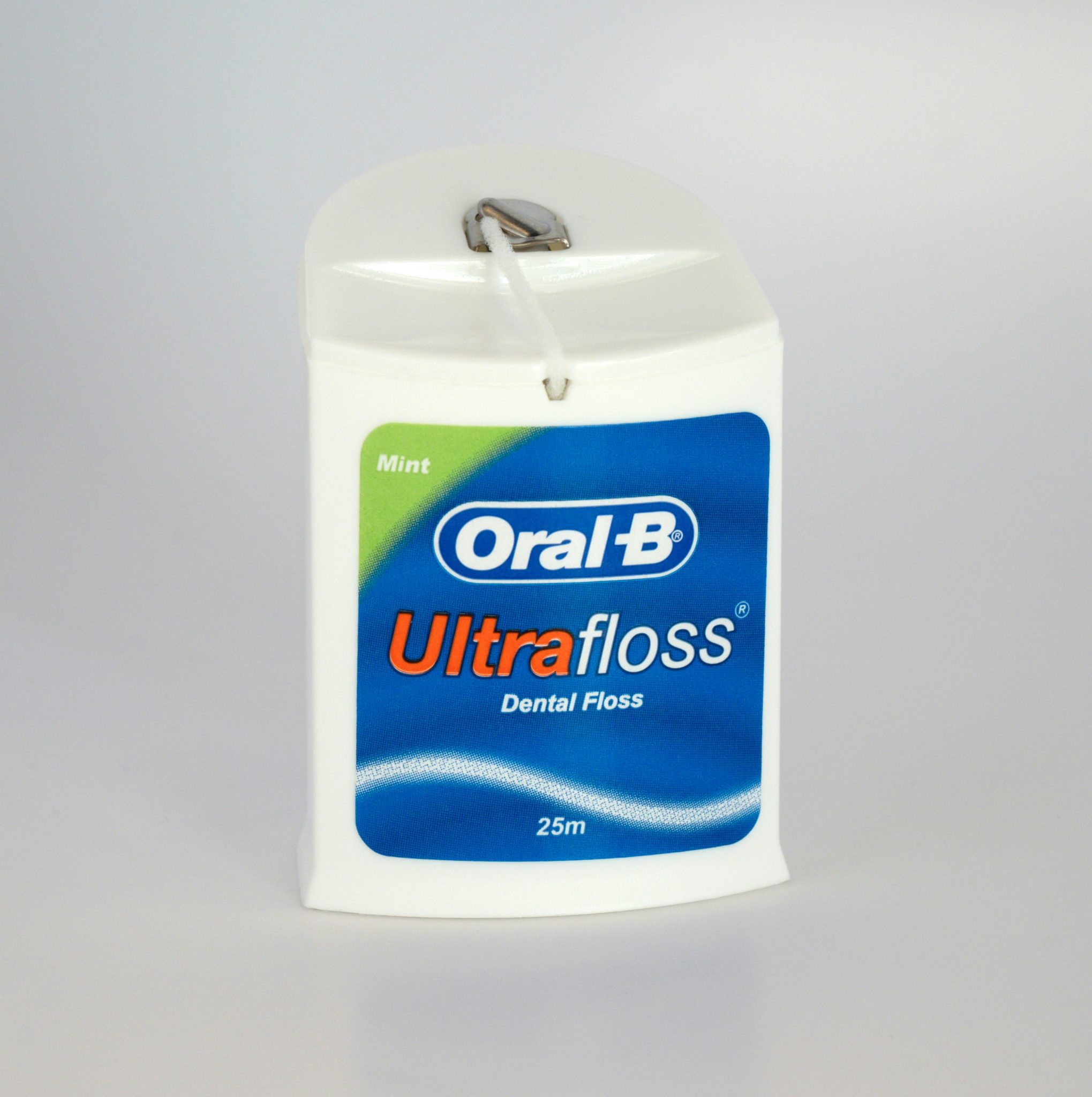
Brushing alone cannot remove all the food particles and plaque that accumulate between teeth. Skipping flossing can lead to cavities forming in tight spaces and contribute to gum disease. Flossing every day removes hidden debris that brushing misses. People often skip this step out of laziness or discomfort, not realizing that these areas are prime spots for bacteria to multiply. A consistent flossing routine protects both your teeth and the delicate gum tissue that surrounds them.
Eating Too Many Sugary or Acidic Foods
Frequent consumption of sugary snacks, sodas, and acidic beverages can seriously damage teeth over time. Sugars feed harmful bacteria in the mouth, which produce acids that erode enamel and create cavities. Acidic foods and drinks, such as citrus fruits, energy drinks, and vinegar-based products, can weaken tooth structure and make teeth more sensitive. The effects are often gradual, which makes it easy to underestimate the long-term damage.
Even rinsing or brushing afterward may not fully neutralize the acids, especially if these foods and drinks are consumed repeatedly throughout the day. Sticky sweets like candies or dried fruits cling to teeth and prolong acid exposure, increasing the risk of decay. Choosing water, eating foods that naturally help neutralize acids like dairy products, and spacing out sugary or acidic treats can reduce harm while still allowing occasional indulgences. Awareness and moderation in dietary choices play a significant role in maintaining strong and healthy teeth.
Using Teeth as Tools
Teeth are designed for chewing food, not for opening packages, cracking nuts, or holding objects. Using them in ways they were not intended can cause chips, cracks, and other damage. Even small habits like biting pen caps or chewing ice can result in fractures that compromise the tooth’s integrity. Protecting teeth from unnecessary stress preserves their strength and appearance over time.
Ignoring Early Signs of Problems
Many people experience minor discomfort, sensitivity, or bleeding gums but ignore these warning signs. Ignoring early symptoms can allow minor issues to develop into serious conditions. Pain, swelling, and discoloration are signals from your body that something requires attention. Regular monitoring, self-examination, and seeking professional advice at the first sign of trouble can prevent more severe dental problems and help maintain healthy teeth and gums for life.
Maintaining healthy teeth and gums requires consistent care, awareness, and a willingness to address issues promptly. Avoiding regular checkups, neglecting proper brushing and flossing techniques, consuming harmful foods, misusing teeth, and dismissing early signs of trouble all contribute to oral health decline. By becoming aware of these common mistakes and adjusting your habits, you can protect your smile, reduce the risk of complex treatments, and enjoy better overall health.