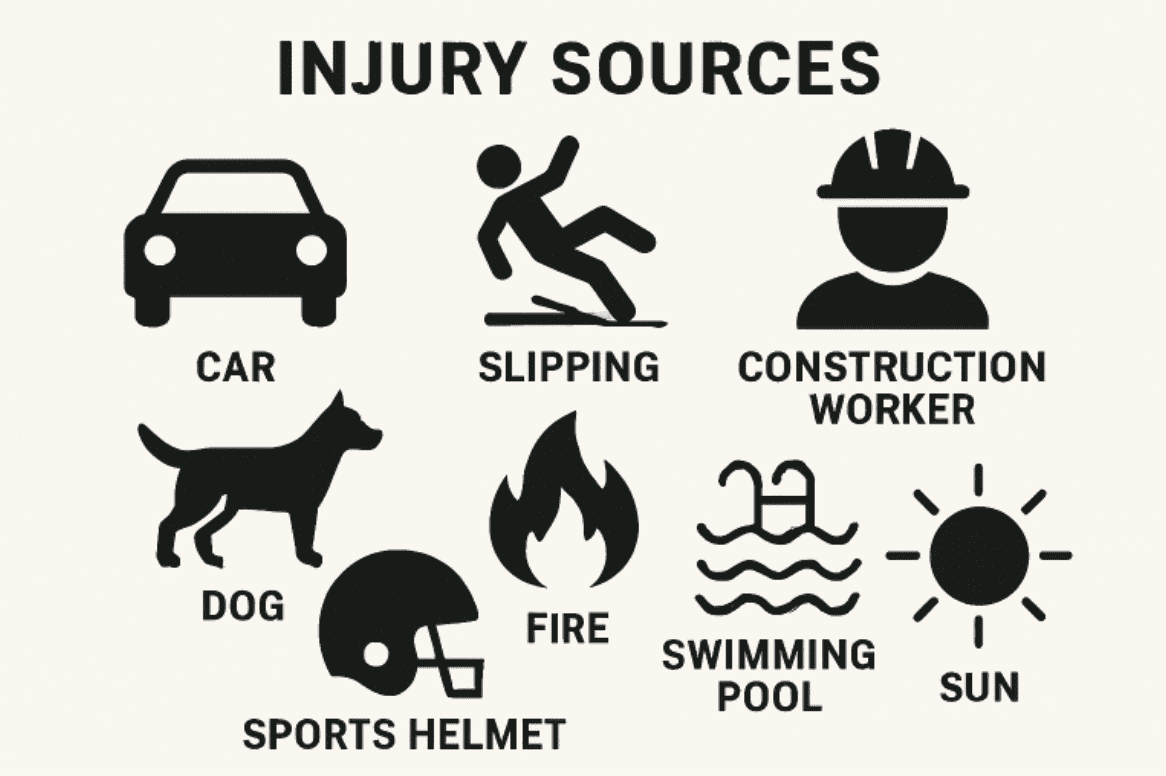
Personal injuries disrupt lives, with victims facing medical bills, loss of work, and emotional distress. Many types of personal injuries are preventable, but they persist across a range of everyday activities. Knowing the causes, coupled with targeted prevention strategies, allows individuals and organizations to reduce the likelihood and severity of injury. If you or a loved one has experienced harm, consulting an injury attorney can help protect your legal rights and pursue appropriate compensation.
In this article, we break down frequent sources of personal injury from car accidents to heat illnesses, along with actionable steps to help you avoid them. Proactive safety measures can save lives and prevent hardship.
Most injuries stem from everyday hazards. Taking personal responsibility for safety at home, work, and in public spaces makes a difference. Understanding risk factors and following recommended precautions benefits communities as a whole.
Motor Vehicle Accidents
Motor vehicle accidents remain a top contributor to injury and death nationwide. Data from the Texas Department of Transportation shows that in 2023 alone, there were 15,219 serious injury accidents that left 18,752 people seriously hurt. Key reasons behind the high rate of crashes include:
- Distracted driving, such as texting, eating, or using in-vehicle technology.
- Exceeding posted speed limits, especially in neighborhoods or areas with pedestrian activity.
- Operating vehicles while under the influence of alcohol or drugs.
Prevention begins with vigilance. Eliminate distractions, respect speed limits, and always designate a sober driver if alcohol or substances are involved. Strict law enforcement and public awareness also play critical roles in keeping roadways safe. For more national data on road safety, review the National Highway Traffic Safety Administration website.
Slip and Fall Incidents
Slip-and-fall accidents are common in locations such as grocery stores, office buildings, and restaurants. Common causes include:
- Wet floors, especially after cleaning sessions or bad weather.
- Uneven, cracked, or poorly maintained flooring or sidewalks.
- Inadequate lighting makes it difficult to spot hazards.
Property owners can help by promptly addressing spills, repairing surfaces, and ensuring ample lighting in all areas open to the public and employees. Individuals should pay attention to warning signs and wear suitable footwear to minimize risk. Slip-resistant mats and handrails also enhance safety.
Workplace Injuries
Unsafe working environments and insufficient employee training are leading sources of on-the-job injuries. The most at-risk industries include construction, manufacturing, and warehousing. Primary factors contributing to workplace incidents:
- Hazardous job conditions, such as unsecured scaffolding or improperly stored equipment.
- Lack of regular safety training or failure to enforce safety protocols.
Employers must keep workplaces safe by providing relevant safety training, conducting regular hazard assessments, and addressing issues promptly. Employees should be encouraged to report unsafe conditions without fear of retaliation.
Dog Bites and Animal Attacks
Each year, hundreds of thousands of Americans require emergency medical care for dog bites. Injuries can run the gamut from minor nicks to injuries with long-term medical complications. You can prevent animal-related harm by:
- Enroll pets in obedience classes and support positive socialization early.
- Closely supervising pets, especially around unfamiliar individuals, children, or in new settings.
Responsible pet ownership, public education, and community leash laws further help limit dangerous animal interactions.
Burns and Chemical Exposures
Burn injuries stem from sources like open flames, hot liquids, electrical equipment, and hazardous chemicals. According to the American Burn Association, nearly half a million people are treated annually for burn injuries, with tens of thousands requiring hospital stays. Effective prevention includes:
- Regularly installing and checking smoke detectors at home and in workplaces.
- Properly using, storing, and labeling chemicals and wearing gloves and goggles as needed.
Immediate first aid for burns and clear safety signage in commercial settings are also pivotal in reducing the impact of these injuries.
Drowning Incidents
Tragic but avoidable, drowning results in almost 4,000 deaths per year in the United States, while thousands more survive with serious injuries. Most victims are children under the age of four and those lacking swim proficiency. Reduce the risk by:
- Consistently monitoring children and non-swimmers near all bodies of water, including pools, lakes, and even bathtubs.
- Teaching and practicing swim safety alongside basic rescue skills.
Swimming lessons, lifeguard supervision, and pool fencing add robust layers of safety for families and communities.
Sports-Related Injuries
Sports, while vital to health and development, are associated with a high incidence of injury. The CDC estimates that sports activities lead to up to 3.8 million traumatic brain injuries nationwide every year. Key prevention tips include:
- Always wear the proper helmet, pads, and safety equipment for the sport.
- Learning and respecting the rules and techniques designed to protect players.
Coaching certification, treatment protocols, and ongoing medical assessments also play important roles in mitigating risks, especially in youth leagues. For more information on preventing concussions, refer to the CDC’s Preventing TBI page.
Heat-Related Illnesses
Heat exhaustion and heat stroke can occur suddenly, particularly in hot climates and during high-exertion activities. Construction workers, festival attendees, and older adults are at the highest risk. Early warning signs:
- Dizziness, confusion, or disorientation.
- Nausea, vomiting, or rapid heartbeat.
- Unexplained fainting.
Employers and event organizers should provide water, encourage regular breaks, and provide shade. Individuals must also recognize their own limits and hydrate often to prevent illness.
Personal injuries can touch anyone, but with awareness and a commitment to safety, they can often be avoided. Proactive steps such as following best practices, using protective equipment, and fostering safe environments ensure everyone’s well-being.