Auto accidents often stem from preventable behavior like distracted driving, speeding, impaired driving, tailgating, or ignoring traffic signals. You protect your rights by acting quickly: move to safety, call for medical help, photograph vehicles and road conditions, gather witness information, and exchange insurance details without admitting fault. Prompt medical care and early documentation help link injuries to the crash and preserve evidence of negligence. Knowing the causes and next steps shows how to protect yourself.
What to Do Immediately After an Auto Accident
Take a moment to protect yourself and others by moving to a safe location if possible and checking for injuries.
Call emergency services and request medical assistance when needed.
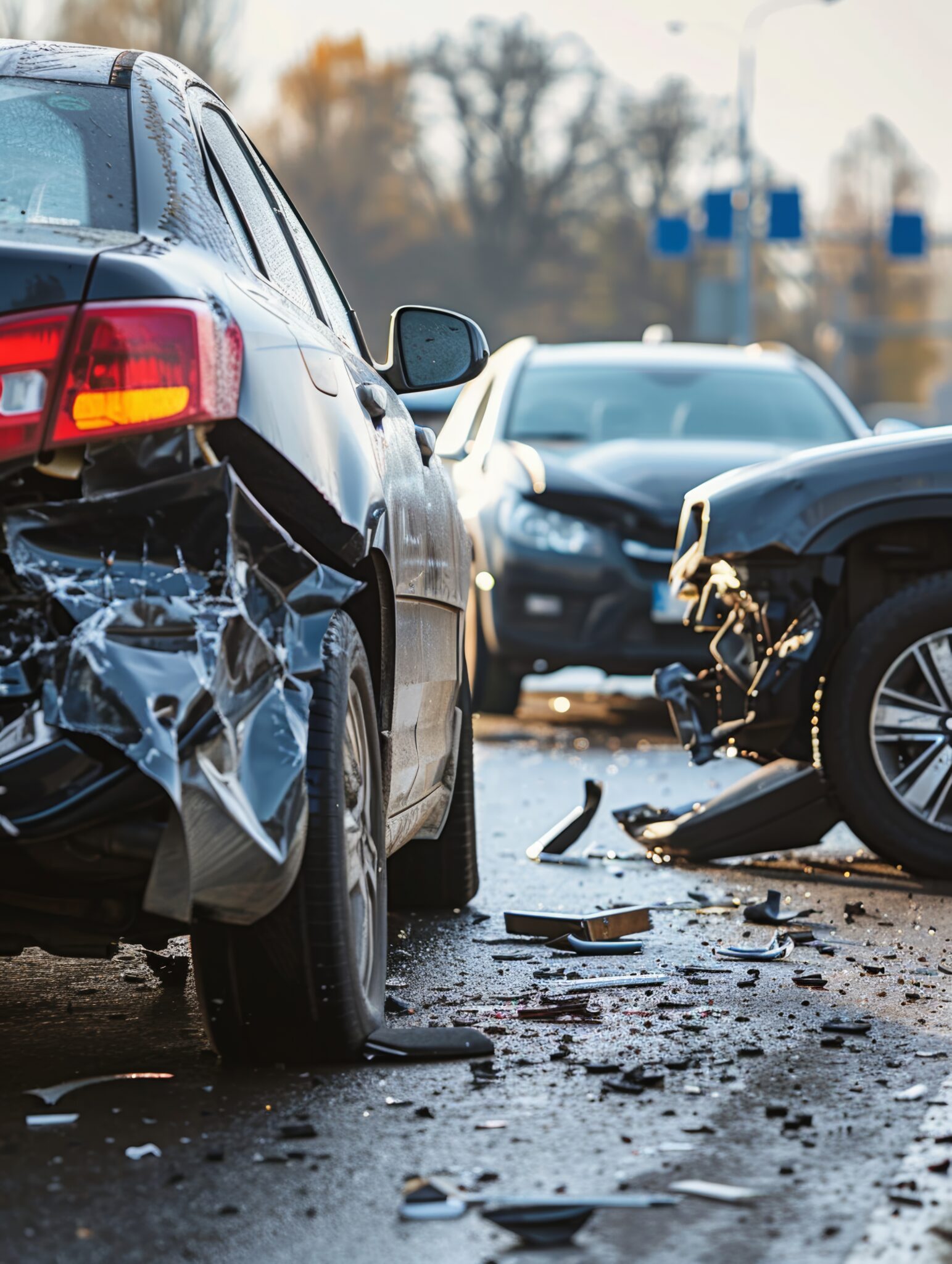
Document the scene carefully: photograph vehicles, roadway conditions, and visible injuries.
Exchange contact and insurance information, but avoid admitting fault or speculating about what happened.
Your priority is preserving evidence that supports future insurance claims and protecting your legal position.
Seek prompt medical evaluation even if symptoms seem minor. Early care protects your health and creates medical records that link injuries to the collision.
Notify your insurer promptly and keep copies of reports, bills, and correspondence.
Careful documentation strengthens insurance claims and positions you to enforce your rights if disputes arise or liability is challenged.
Top Causes of Auto Accidents
While every collision has its own facts, most auto accidents stem from a small group of preventable driving behaviors that place others at risk. When you share the road, you trust other drivers to obey traffic laws, control their speed, and adjust to weather conditions.
Crashes often occur when someone speeds, follows too closely, runs signals, or drives aggressively through traffic. Poor vehicle maintenance also creates danger, because worn brakes, bald tires, or faulty lights reduce a driver’s ability to respond safely.
If another driver’s careless choices caused your crash, you shouldn’t bear the financial burden alone. By identifying the true cause, you strengthen your claim and protect your right to pursue full compensation.
Careful investigation helps hold negligent drivers accountable under the law.
Distracted Driving and Auto Accidents
Because even a momentary lapse in attention can have devastating consequences, distracted driving remains one of the most common causes of serious auto accidents.
You may assume a quick glance at your phone is harmless, but texting hazards and other visual distractions pull your eyes, hands, and focus from the road. If another driver chose distraction and you were injured, you shouldn’t bear the cost.
An experienced attorney can investigate phone records, dash data, and witness accounts to prove the driver failed to maintain proper attention.
By documenting distraction and linking it to your injuries, you strengthen your claim and pursue full compensation for medical bills, lost income, and recovery.
Acting promptly also protects evidence and positions you to hold the negligent driver accountable.
Speeding and Impaired Driving in Auto Accidents
Although drivers know the risks, many still speed or get behind the wheel impaired, turning ordinary traffic conditions into dangerous situations. When you share the road with a reckless driver, you face heightened danger and life-altering harm.
Speeding reduces reaction time, lengthens stopping distance, and magnifies crash force, leading to severe speeding consequences for innocent motorists like you.
Alcohol or drugs further impair judgment, coordination, and vision. When a driver chooses that risk, you may suffer medical bills, lost income, and lasting trauma.
The law recognizes this misconduct and imposes strict impaired penalties to deter it. You deserve accountability and the right to pursue compensation for the harm reckless choices cause.
Understanding these dangers helps you act quickly to protect your legal rights today.
Evidence That Proves Fault After a Crash
When a crash disrupts your life, the evidence collected afterward often determines who bears legal responsibility. Acting quickly helps preserve critical proof before it disappears. You should document the scene, secure photographic evidence of vehicle damage, road conditions, traffic signals, and visible injuries, and request the official crash report.
These details create a factual record that supports your claim and guards against disputes.
You can also strengthen your case by identifying people who saw the collision. Reliable witness statements may confirm how the impact occurred, what each driver did moments before it, and whether traffic laws were ignored.
Promptly gathering names, contact information, and recorded accounts guarantees those observations remain accurate. With organized evidence in hand, you position yourself to pursue fair compensation confidently.
Who Is Legally Responsible for an Auto Accident?
While many crashes appear straightforward, legal responsibility often depends on whether a driver failed to act with reasonable care under the circumstances. To establish liability determination, you must examine each driver’s conduct before and during the collision.
If someone sped, ignored signals, followed too closely, or drove distracted, you can argue that their negligence caused the harm.
Sometimes more than one party shares responsibility. Liability determination may assign percentages of fault to multiple drivers, vehicle owners, or even employers.
This allocation directly affects insurance claims because insurers evaluate fault when deciding what compensation you may recover. You protect your position by clearly showing how another party’s careless choices created the crash and your losses.
Such proof strengthens your insurance claims and supports liability determination.
When to Contact an Auto Accident Lawyer
How soon should you involve an auto accident lawyer after a crash? The safest answer is as soon as possible.
Early legal representation helps protect your rights, preserve evidence, and prevent costly mistakes when speaking with insurers. Even a brief consultation can clarify your options and the value of your accident claims.
You shouldn’t wait until disputes arise or injuries worsen. A lawyer can review police reports, medical records, and insurance policies while the facts are fresh.
Prompt action also helps meet filing deadlines and strengthens negotiation leverage. With experienced legal representation, you can focus on recovery while your attorney manages accident claims, communicates with insurers, and pursues the compensation you’re entitled to under the law after an accident occurs and liability becomes disputed.
Frequently Asked Questions
How Long Do Auto Accident Claims Usually Take to Settle?
Your auto accident claim usually settles in a few months to over a year, depending on injuries, evidence, and claim negotiation. You’ll influence the settlement timeline by documenting losses, following treatment, and asserting rights promptly.
Can Passengers File Injury Claims After a Car Accident?
Yes, you’ll be able to file an injury claim as a passenger after a car accident. Your passenger rights let you pursue compensation and start the claim process against the at-fault driver’s insurance for losses.
Will My Insurance Premiums Increase After a Not-At-Fault Accident?
Your premiums might not increase after a not-at-fault accident, but it’ll depend on fault determination and your insurance policies. You should review coverage and challenge errors, because insurers sometimes raise rates unless you assert rights.
Are Dashcams Legal and Useful in Accident Claims?
After an auto accident, the priorities discussed here tend to become immediate. You can use dashcams, and they’re often legal and powerful in accident claims. You gain evidence, strong dashcam benefits, and leverage, but you must evaluate state legal implications before relying on footage for your claim.
What Compensation Types Are Available Beyond Medical Bills?
You can seek compensation beyond medical bills, including lost wages, property damage, pain and suffering, rehabilitation costs, and diminished earning capacity. You shouldn’t carry these losses alone; you can pursue the full recovery you’re owed.
Conclusion
When you’re involved in an auto accident, every decision you make can affect your rights and your recovery. By acting quickly, preserving evidence, and understanding what caused the crash, you put yourself in a stronger legal position. Don’t assume fault or accept less than you deserve. If another party’s negligence caused your injuries, you have the right to pursue compensation. An experienced auto accident lawyer can protect your interests and help you move forward with confidence. For more information on your next steps, see What to Do After a Car Accident Not Your Fault. Also, understanding how insurance companies determine if your car is totaled can help you navigate the aftermath effectively.