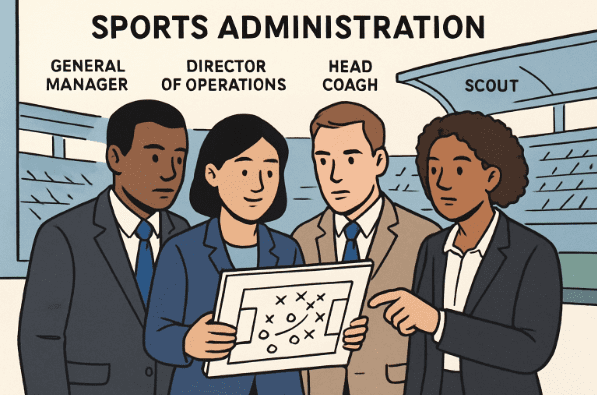
The sports industry continues to expand rapidly, presenting exciting and varied career opportunities for those interested in the intersection of athletics and business. As organizations become increasingly complex, the demand for skilled professionals with expertise in sports administration is louder than ever. Pursuing an online sports administration master’s degree can equip you with the knowledge and networks needed to thrive in this dynamic field. Whether your passion lies in fostering community engagement, enhancing a team’s reputation, or leveraging technology for a competitive advantage, sports administration offers opportunities for all interests.
Sports organizations—ranging from major league franchises to grassroots nonprofits—require skilled administrators who can navigate the fast-paced and unique challenges of the industry. These specialists orchestrate everything from fan experiences and brand partnerships to regulatory compliance and financial management. As the sports landscape evolves in response to technological advancements, demographic shifts, and shifting audience expectations, the demand for resourceful leaders continues to grow.
Exploring Career Paths in Sports Administration
Sports administration encompasses a broad spectrum of roles, each contributing vitally to a team’s or organization’s success. Notable career paths include
- Sports Marketing Manager: Directs campaigns and partnerships to build a team’s profile, draw sponsorships, and enhance fan loyalty on a global scale.
- Facility Operations Manager: Oversees the safety, scheduling, and compliance of sports venues, ensuring seamless event execution and an outstanding spectator experience.
- Community Engagement Coordinator: Crafts outreach initiatives, forges meaningful community connections, and enhances a team’s public image through social responsibility programs.
- Player Personnel Analyst: Applies advanced analytics to scouting, recruitment, and performance evaluation, helping teams make data-driven decisions that fuel success on the field.
These roles exist in environments as varied as collegiate athletics, professional teams, sports associations, and major event organizers. No matter where your interests fall—communications, event management, data analysis, or athlete support—a focus on sports administration can position you for a dynamic and rewarding career.
Essential Skills for Success
Carving out a successful career in sports administration demands a blend of both soft and technical skills. Leading organizations look for professionals with:
- Communication: Ability to translate complex concepts for different audiences, from players to executives and stakeholders.
- Analytical Skills: Interpreting market trends, fan data, or team performance stats to inform strategic decisions.
- Leadership: Inspiring team cohesion, navigating conflict, and steering organizations through transformative changes.
- Business Acumen: Managing budgets, negotiating contracts, and ensuring organizational goals are met efficiently.
- Adaptability: Rapidly responding to changes in technology, policy, or audience expectations, ensuring the organization remains competitive.
- Technological Proficiency: Mastery of tools like CRM systems, ticketing platforms, and performance analytics suites.
Developing these abilities positions professionals to lead teams, implement innovations, and solve complex problems as the sports sector continues to evolve.
Industry Trends Shaping the Field
The field of sports administration continues to evolve in a highly responsive manner in response to external forces, including technology, regulation, and fan culture. Today’s leading trends include:
- Digital Engagement: Teams invest in live-streaming, virtual events, and social media campaigns to reach audiences worldwide.
- Diversity and Inclusion: Prioritizing representation and inclusion fosters organizational creativity and strengthens fan relationships.
- Data-Driven Decision Making: Integrating analytics into all facets—marketing, player development, and management—delivers strategic insights that sharpen competitive edge.
Understanding and proactively adapting to these industry shifts is crucial for anyone wanting to advance or stand out in sports administration. Major publications, such as Forbes SportsMoney, regularly report on new trends, technology adoption, and business strategies that are shaping the sports world.
The Role of Technology in Sports
Technology is at the forefront of transformation across the sports industry. Digital ticketing solutions, cloud-based scheduling, automated maintenance, and crowd analytics are revolutionizing stadium and event management. For athletes, advances in wearable devices and AI-powered analysis give unprecedented insight into training and performance optimization.
Sports marketing and public relations also benefit immensely, enabling tailored campaigns, targeted fan outreach, and enhanced ROI through precise measurement tools. Staying abreast of technological developments is vital, and ongoing education—such as gaining certifications in sports tech platforms—can set professionals apart.
Professional Growth and Education
Formal study remains one of the best pathways into and through the ranks of sports administration. A master’s degree in sports administration provides in-depth knowledge in areas such as ethical leadership, financial management, in-depth negotiations, and organizational development. T, programs often include practical simulations and case studies, helping future administrators develop both expertise and confidence.
Gaining hands-on experience through internships, volunteering, or entry-level roles complements academic training. These opportunities provide valuable industry exposure, expand professional networks, and fuel career advancement—key advantages as the industry grows and competition heightens.
Staying Current in Sports Administration
Lifelong learning is essential in a field shaped by constant innovation and evolving regulations. Regularly reading industry news, attending professional development events, and participating in sector webinars ensures professionals remain at the forefront of best practices.
Active involvement in associations or online networks provides valuable insight, mentorship, and access to new opportunities. Building relationships across the industry can be the catalyst for moving into leadership roles or tapping into emerging services as organizations advance their administration.
Conclusively, exploring administration is a rapidly evolving discipline that blends business acumen, leadership, and a passion for athletics. Whether you are just starting or pursuing advancement, a focus on skill-building, networking, and ongoing education—such as through an online sports administration master’s degree—will unlock doors across the industry. For those seeking to make a meaningful impact behind the scenes, careers in sports administration offer dynamic and rewarding futures.