The automotive market in 2026 is facing a unique and challenging landscape, as car prices in 2026 are projected to rise despite increasing competition among automakers and the availability of incentives. Consumers entering showrooms this year will notice that the Manufacturer Suggested Retail Prices (MSRPs) for new vehicles continue to climb, reflecting a combination of factors such as inflation, higher labor and production costs, and the integration of advanced technologies across vehicle lineups.
While incentives may offer some relief for buyers, the overall impact is likely to be modest, and many shoppers will still encounter higher transaction prices than in previous years. This trend is compounded by supply chain challenges, limited inventory in certain segments, and the growing popularity of electric and hybrid vehicles, which often carry a premium. As a result, understanding the dynamics behind rising prices and effectively navigating financing, leasing, and incentive programs is critical for any consumer planning to purchase a vehicle in 2026.
Overview of Rising Car Prices in 2026
Industry forecasts indicate that U.S. new car sales will remain largely flat in 2026, hovering near 16 million vehicles, similar to 2025. Despite intense competition among automakers, the average Manufacturer Suggested Retail Prices (MSRPs) are expected to increase. Data from J.D. Power projects that the average transaction price will reach around $46,600—a rise of $800 from the previous year.
Several factors contribute to rising car prices:
-
Inflation and material costs: Steel, aluminum, precious metals, and petroleum have all seen price hikes.
-
Labor and production costs: Automakers continue to factor in wage increases and operational expenses.
-
Technological upgrades: Features such as advanced driver-assistance systems (ADAS) and hybrid/electric powertrains drive costs upward.
Consequently, buyers may find that incentives, while helpful, do not fully offset the rising costs.
How Supply Chain and Inflation Are Impacting the Market?
The global automotive supply chain is still recovering from disruptions caused by the pandemic and geopolitical events. Delays in semiconductors, shipping constraints, and rising raw material costs have collectively put upward pressure on car prices in 2026.
-
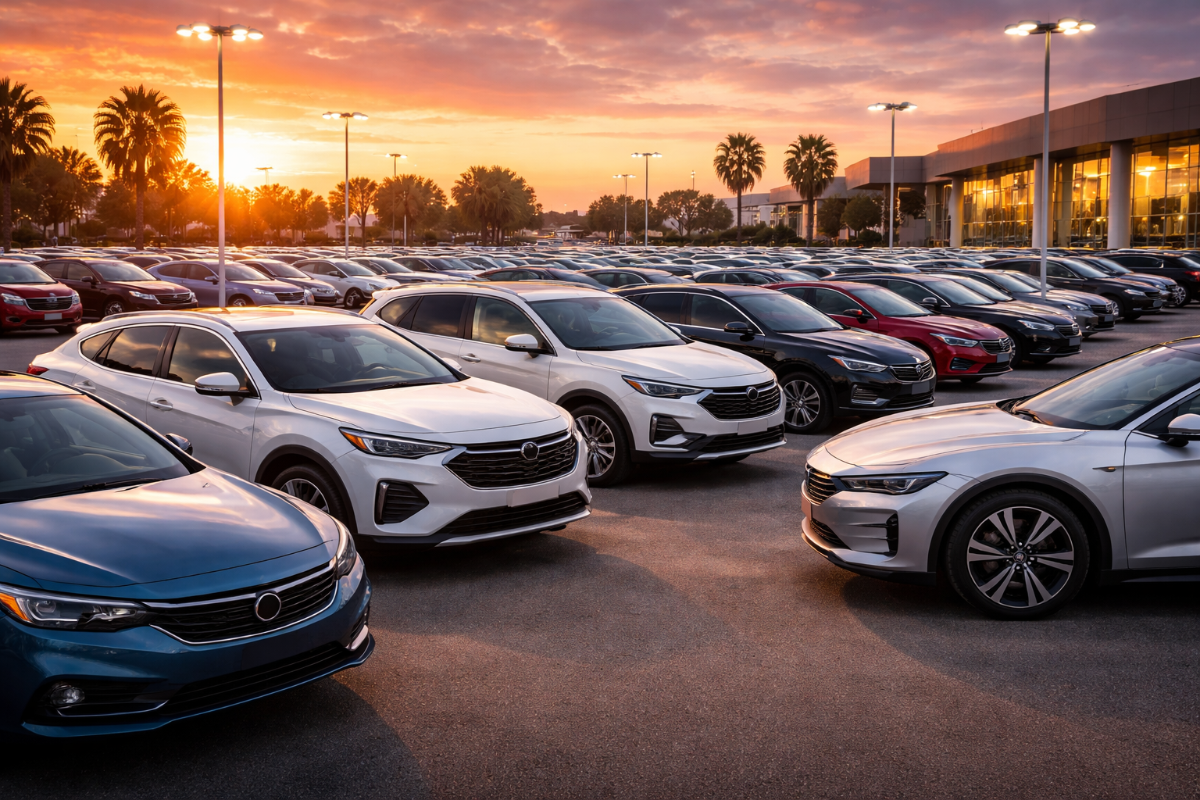
Inventory levels: Cox Automotive reports 2.77 million vehicles in stock, a level similar to 2025. Low inventory limits aggressive discounts, keeping transaction prices high.
-
Inflationary pressures: Even a moderate 2–3% annual increase in MSRPs compounds over time, making cars less affordable for the average consumer.
-
Consumer demand shifts: Increased interest in electric vehicles (EVs) and hybrid models, which often carry a premium, further influences average prices.
Therefore, understanding the interplay of supply chain and inflation is crucial for anyone planning a car purchase this year.
The Role of Government and Manufacturer Incentives
In 2026, automakers are expected to increase incentives by $400–$3,500. However, the net effect on transaction prices may be modest, particularly for gasoline-powered vehicles.
| Aspect | Traditional Buying | Incentive-Assisted Buying |
|---|---|---|
| MSRP | Full price applied | Discount applied via incentives |
| Final Transaction Price | Higher due to MSRP increases | Slightly lower, depending on inventory |
| Financing Options | Standard loan/lease terms | Potentially better financing offers included |
| Eligibility | All buyers | Select buyers depending on manufacturer criteria |
| Market Impact | Prices steadily rise | Incentives used strategically by manufacturers to attract buyers |
Automakers strategically deploy incentives to maintain competitiveness. For instance, EVs often see higher incentive spending to encourage adoption, whereas conventional vehicles rely on smaller, targeted discounts. Consequently, buyers who understand incentive structures may secure modest savings, but the overall trend of rising car prices in 2026 remains intact.
Financing and Leasing Options for Buyers
Given affordability pressures, financing and leasing are increasingly relevant tools for navigating rising prices:
-
Extended loan terms: More buyers are opting for 72–84 month loans to lower monthly payments. While this provides short-term relief, total interest paid increases over time.
-
Leasing alternatives: Leasing remains attractive for those seeking newer models every few years. Monthly payments are generally lower than loans, but long-term ownership costs may be higher.
-
Interest rates and trade-ins: Average new-vehicle loan rates are projected around 6.72%, slightly lower than last year. Strong used-vehicle values provide additional leverage for buyers trading in older vehicles.
Understanding these financial options helps consumers align their purchase with both short-term cash flow and long-term cost considerations.
Short-Term vs Long-Term Market Effects
In the short term, buyers may feel pressure as car prices in 2026 continue to rise. Incentives are likely to be tactical and vary by manufacturer, inventory levels, and market demand.
-
Short-term effects: Increased competition among automakers may provide sporadic savings for buyers. However, overall prices are trending upward.
-
Long-term effects: Sustained inflation, rising labor costs, and technological investments will keep MSRPs elevated. Buyers who strategically research and time purchases may mitigate costs but are unlikely to see dramatic reductions.
Therefore, smart decision-making is crucial, focusing on personal needs rather than attempting to predict market swings.
Comparison of Car Segments: Sedans, SUVs, EVs
The impact of rising prices varies across vehicle types:
| Car Segment | Average Price 2026 | Expected Price Change | Incentive Availability |
|---|---|---|---|
| Sedans | $34,500 | +$700 | Moderate |
| SUVs | $50,200 | +$900 | Targeted incentives on high-volume models |
| EVs | $46,500 | +$1,200 | Highest incentive spend to encourage adoption |
EVs and SUVs are absorbing the bulk of technological and regulatory cost increases, while sedans remain slightly more affordable. Consumers need to weigh lifestyle needs, total cost of ownership, and potential incentives when selecting a vehicle segment.
Tips for Buyers Navigating Rising Prices
-
Research extensively: Focus on vehicles that meet your specific needs rather than attempting to time the market.
-
Track incentives: Sign up for manufacturer newsletters or consult dealership finance departments to understand available incentives.
-
Consider trade-ins strategically: Strong used-vehicle values can reduce your net purchase cost.
-
Evaluate financing options: Compare loans versus leases, considering both monthly payment and total cost over time.
-
Be transparent with dealers: Share your target budget to negotiate a package aligned with your affordability goals.
Moreover, flexibility in timing and a clear understanding of incentives can help buyers manage higher prices effectively.
Conclusion
Navigating car prices in 2026 requires careful planning, research, and understanding of incentives. While higher MSRPs and affordability pressures are set to dominate the market, strategic financing, trade-ins, and selective incentive use can help buyers manage costs effectively. Ultimately, informed consumers who prioritize their specific needs over market timing are best positioned to make financially sound decisions this year.
Frequently Asked Questions
Are car prices expected to keep rising after 2026?
Yes. Factors such as inflation, labor costs, and technological upgrades are likely to keep upward pressure on MSRPs in the coming years.
Will government incentives offset rising car prices?
Incentives help, but they are often targeted and may only partially reduce the final transaction price.
Which car segment sees the highest price increase in 2026?
EVs are projected to see the largest increase due to higher technology costs and regulatory compliance expenses.
Is leasing a better option than buying in 2026?
Leasing can lower monthly payments but may result in higher total costs if the vehicle is kept long-term.
How can I maximize savings when buying a car in 2026?
Research thoroughly, track incentives, consider trade-ins, compare financing options, and communicate your budget clearly with dealers.