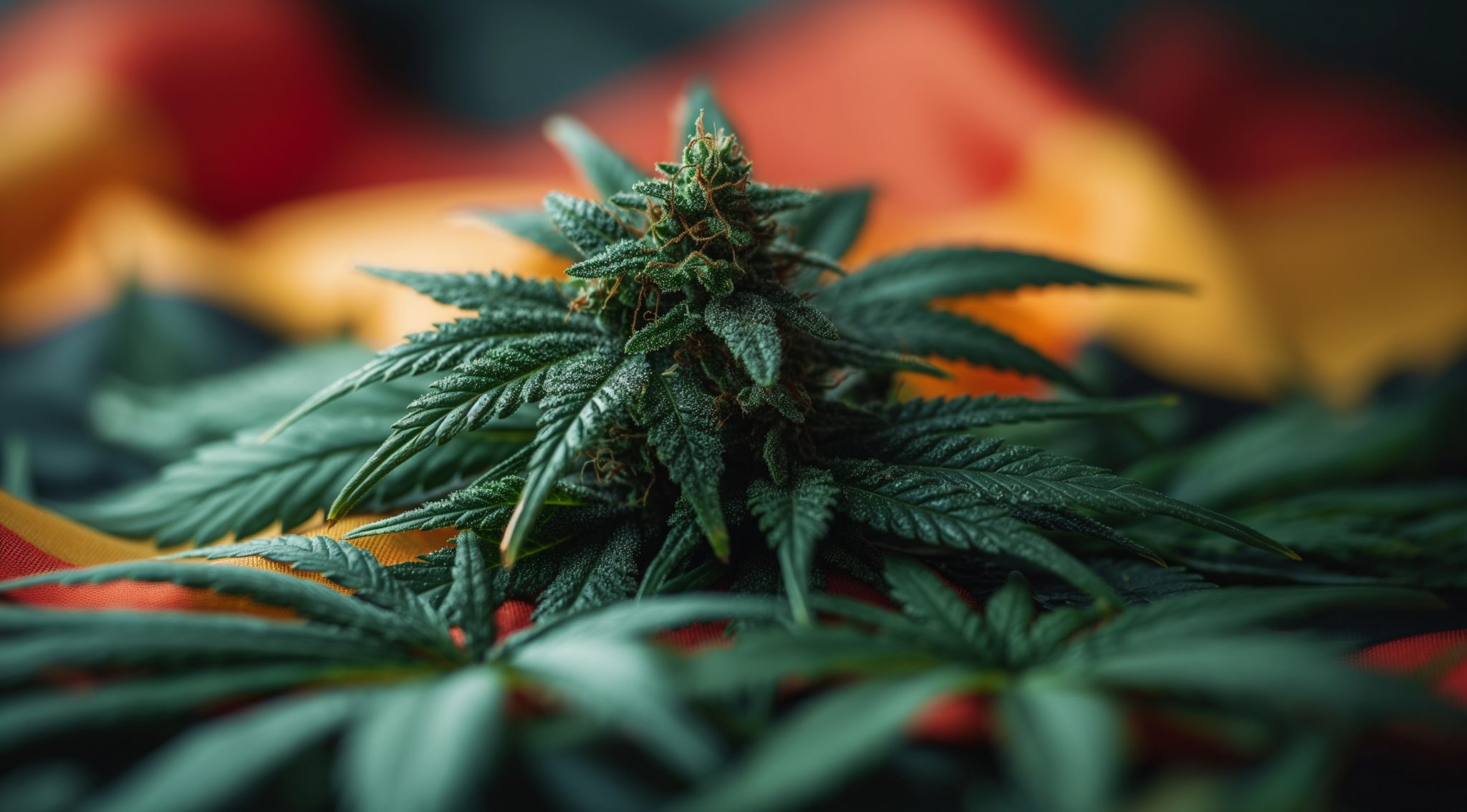
Navigating the world of cannabis can be overwhelming, especially with the multitude of terms and products available. In this detailed guide, we will break down essential cannabis terminologies to help you understand the nuances of this diverse plant. So, let’s delve in…
1. Tinctures: Accurate Dosing and Rapid Absorption
Tinctures are extracts of cannabis in the form of a liquid that’s usually prepared with alcohol or glycerin. They provide a discreet, effective method of consuming cannabis, and they can be dosed accurately.
Remember, tinctures can be administered sublingually (under the tongue) to achieve rapid effects, typically within 15 to 45 minutes.
Tinctures are a great option, and the consumption of this product can be more controlled with the help of this method. That is why the healthcare professionals recommend this product to people who have not tried cannabis before. If you’re also one of them, buy from a trusted source, such as Catalyst Cannabis, for optimal results.
2. Hybrids: The Best of Both Worlds
Hybrid strains are a combination of indica and sativa plants, each with its own distinct effects that may vary significantly among hybrids. Indica strains are known for their relaxing and sedative properties, whereas sativas are typically characterized by mood-elevating and stimulating effects.
The hybrids may be indica-dominant, sativa-dominant, or balanced, which meets a vast variety of preferences and therapeutic requirements.
3. Cannabinoids: The Active Compounds
Cannabinoids refer to the chemical substances present in cannabis that bind to the endocannabinoid system in the body. The most famous cannabinoids are THC (tetrahydrocannabinol), which has psychoactive effects.
On the contrary, the CBD (cannabidiol), which is non-psychoactive, is frequently used due to its therapeutic properties.
If you’re from Antioch, CA, and have knowledge of a strain’s cannabinoid profile, visit a top-notch dispensary in Antioch, CA, from where you can select products based on their intended effects.
4. Terpenes: The Aromatic Compounds
Aromatic compounds in cannabis that contribute to its smell and taste are referred to as terpenes. Not only do they produce a variety of smells linked to various strains, but they also contribute to the effects of cannabis.
For example, myrcene can help enhance relaxation, whereas limonene can be used to improve one’s mood. An understanding of the terpene profiles of different strains enables users to improve their overall experience and select products that cater to their tastes.
5. Cultivation Techniques: Seed to Harvest
The production environment of cannabis has a big influence on its quality and strength. The widespread techniques are indoor, outdoor, and greenhouse cultivation. Indoor production offers the advantages of controlled environments and year-round production.
On the other hand, outdoor production relies on natural sunlight and seasonal variations. Both approaches have their own series of advantages and disadvantages, affecting aspects such as taste, strength, and yield.
Wrapping It Up
The more you learn about key terms related to cannabis, the more you will be able to navigate the plethora of products and options available on the market. This knowledge will not only improve your experience but also give you the power to make an informed decision about how to use cannabis.