For many Canadians, a cottage is more than just a weekend getaway—it’s a place of comfort, family gatherings, and sometimes even year-round living. But powering a remote cottage can be challenging. Extending utility lines to rural or off-grid areas is expensive, and fuel generators bring noise, emissions, and constant refueling. That’s why many property owners are asking: Can solar energy truly power a Canadian cottage year-round?
The short answer is yes, with careful planning. The longer answer depends on factors like location, seasonal climate, energy demand, and system design.
Understanding Cottage Energy Needs
Before installing solar, it’s important to define how much power your cottage actually requires:
- Basic seasonal use: lights, small appliances, Wi-Fi, and occasional heating.
- Extended stays: refrigerators, hot water systems, fans, or portable AC units.
- Year-round living: consistent heating, cooking, laundry, and entertainment systems.
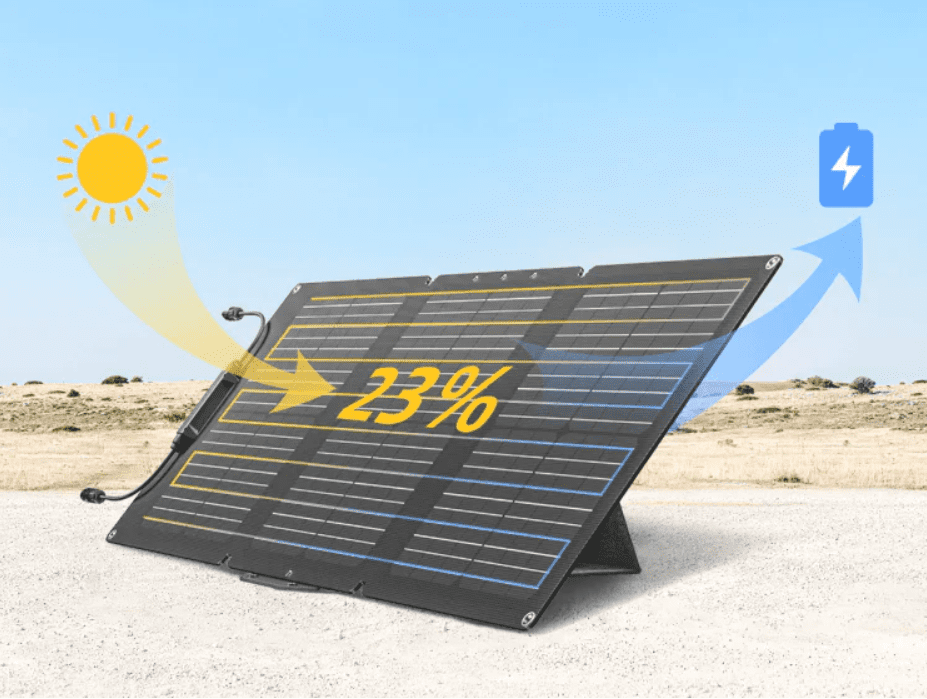
A small summer cabin may only need a few hundred watts of solar, while a fully functional year-round cottage could require several kilowatts plus battery storage.
Seasonal Challenges in Canada
Summer Advantages
- Long daylight hours: In many provinces, summer days provide 14–16 hours of usable sunlight.
- High production: Solar panel perform efficiently in moderate summer temperatures.
- Cottage lifestyle: Summer is when energy demand is highest for cooking, refrigeration, and gatherings—solar matches this demand well.
Winter Realities
- Short daylight hours: In December, parts of Canada receive less than 8 hours of daylight.
- Snow coverage: Panels may be covered temporarily, reducing output.
- Cold temperatures: Surprisingly, cold boosts panel efficiency, but production is still lower overall.
- Heating demand: Space heating requires far more energy than summer cooling, creating the biggest challenge for solar systems.
Solar Energy System Design for Cottages
1. Sizing the System Correctly
Calculate the average daily consumption of the cottage, then design a system that produces at least that much during peak months. For year-round use, include extra capacity to handle winter shortfalls.
2. Battery Storage
Batteries are essential for cottages that aren’t connected to the grid. They store excess solar energy during sunny days for use at night or during storms. A properly sized battery bank can keep essentials running for several days.
3. Backup Generators
Even with solar, many year-round cottages keep a fuel generator as a backup for extended cloudy or snowy periods. Using solar as the primary source and a generator as a supplement minimizes fuel use.
4. Solar + Hybrid Heating
Heating directly from solar electricity is often impractical in winter. Instead, combining solar with wood stoves, propane, or energy-efficient heat pumps provides a balanced solution.
5. Location Matters
A cottage in Ontario will receive more annual solar hours than one in Northern Quebec. Local climate and sunlight exposure should guide system design.
Real-Life Scenarios
- Summer-Only Cottage in Muskoka, Ontario
A 1.5 kW solar system with batteries easily runs lights, a refrigerator, and electronics throughout the season, making it fully off-grid. - Year-Round Cottage in Northern Quebec
A larger 6 kW system with battery storage provides reliable summer energy, but during harsh winters, the owners use a hybrid setup: solar for essentials, propane for heating. - BC Mountain Cabin
Solar panels combined with portable battery stations ensure the property stays powered for refrigeration, communications, and lighting, with a small generator as backup for extended cloudy weeks.
Benefits of Solar Energy for Cottages
- Energy Independence – No reliance on distant utilities or constant fuel deliveries.
- Quiet and Clean – Unlike noisy generators, solar systems are silent and emission-free.
- Lower Long-Term Costs – After installation, operating costs are minimal.
- Sustainability – Supports eco-friendly cottage living, aligning with the natural environment.
- Property Value – Solar-ready cottages are more appealing to eco-conscious buyers.
Limitations to Consider
- High Initial Cost: Depending on system size, a year-round setup can cost $15,000–$30,000 CAD.
- Winter Dependence on Backup: In most regions, solar alone may not cover full heating needs.
- Maintenance: Panels may need occasional snow clearing and battery checks.
Despite these challenges, the long-term value often outweighs the drawbacks, particularly for cottages far from the grid.
Conclusion
So, can solar energy power a Canadian cottage year-round? The answer is yes—with the right design, expectations, and supplemental systems. For summer-only use, solar is a perfect standalone solution. For winter living, solar works best in combination with efficient heating and backup systems.
Ultimately, solar provides independence, peace of mind, and a sustainable way to enjoy cottage life—whether you’re relaxing in Muskoka during the summer or braving snowy winters in Quebec. With careful planning, solar is more than capable of supporting a cottage lifestyle year-round.