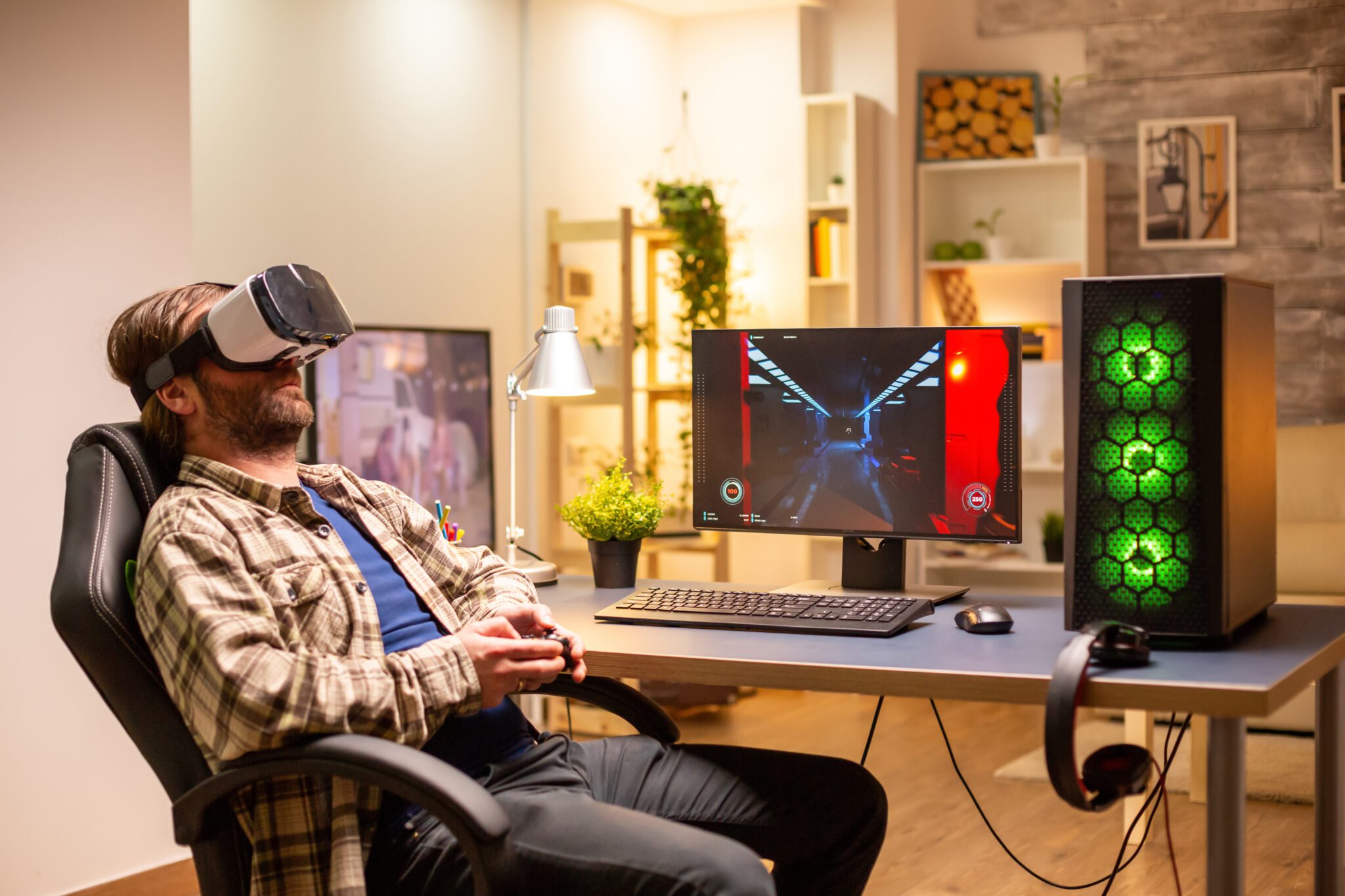
CC0 Licensed Image Courtesy of Freepik
Gaming as a wellness tool isn’t always the most talked-about technique for unwinding as a professional. However, video games today come in all shapes and sizes and offer something for everyone. Not every game has you running around a city causing mayhem, battling insurgents in the Middle East, or winning matches so you get a chicken dinner! From cozy games to strategy, everyone has their idea of unwinding, and here are some ways gaming can help.
Improving Cognitive Flexibility
It is no secret that some games require deep strategic thinking, which is why chess is called the game of kings. Chess has been a foundation for many of today’s modern video games, such as D&D and real-time strategy. These kinds of games have been shown to improve cognitive flexibility, which is a valuable tool for high-pressure jobs, and the way some games work out the brain can directly result in better decision-making, problem-solving, and coordination.
Gaming as a Wellness Tool for Stress Relief
There are over 3 billion gamers all over the world, and (in the US and UK) 78% of gamers claim to play to relieve stress. Taking a break from real life and suspending reality for a while allows you to take a mental break while having fun and decompressing after a long day’s work:
- Casual games are excellent for quick breaks and can immediately reduce anxiety.
- Open-world games provide a greater sense of freedom and can enhance autonomy.
- Cooperative games are popular and help encourage teamwork and social bonding.
Getting Into a Flow State
It isn’t uncommon to perform a complex and impressive action and not remember it. This is called a flow state and happens because of a mixture of hormones like dopamine, serotonin, and adrenaline. Athletes, music artists, and even public speakers often talk about being in the zone but not being able to remember it. However, modern games (especially fast-paced titles) can help you get into that state, and you can use it to your advantage when working.
Entertaining Micro-Breaks
Taking breaks is a common and much-loved part of the working day. Many professionals work harder than is healthy, and taking a break on schedule can be just what you need to refresh your mind. But what do you do on your break? Staring into your coffee is more likely to induce brain fog than gear you up! If you have a smartphone, handheld, or even a gaming console in the break room, hit up some fast-paced titles to perk up and put a smile back on your face.
The Social Side of Gaming as a Wellness Tool
Surveys from gaming sites have found that between 63% and 70% of gamers all over the world play with at least one other person regularly. Co-op gaming is one of the most popular video game genres, alongside MMOs that encourage teamwork, both of which have many benefits.
Shared experiences
When camaraderie and teamwork are needed, there’s nothing like an online MMO where everyone has a shared goal to work towards, boosting your sense of accomplishment.
Finding your people
Gamers connect over vast distances when playing online, and you can find your people within niche communities when playing your favorite titles, often leading to long-lasting relationships.
Reducing feelings of isolation
Gaming today is more accessible than it has ever been, and people with disabilities (physical or emotional) can become part of a community and accepted for who they are in a gaming space.
Gaming is more popular than it has ever been. One of the main reasons is that it has gone beyond a solo hobby and into something more sociable if you need it to be. As an evolving platform for connection and growth, modern gaming enhances wellness in a more social way.
Processing Challenging Emotions
Games have evolved into more than rapid-fire entertainment for using up spare time. Today, games like The Last of Us, Life is Strange, and even Grand Theft Auto offer compelling stories that deal with life’s issues. Some people play these games as an escape, but they can also help you deal with complex emotions that you might be feeling or having a hard time dealing with. Grief, anxiety, and stress can be challenged and dealt with in a safe and stable environment.
Training Yourself to Complete Tasks
Most people play games because they feel like they are rewarded for completing tasks. Unfortunately, real life doesn’t always offer the same feeling, but games can help with this. Many titles have clear goals and objectives, usually completed by going through steps and tasks. Mastering how to deal with larger goals inside a gaming space can prepare you for dealing with the real-life tasks you have to address at work and help you think more organizationally.
Gaming as a Wellness Tool for Slowing Down
Games that allow you to slow down are becoming massively popular. Known as cozy games, titles like Stardew Valley and Animal Crossing are growing. There are now 373 games tagged as cozy, compared to just 15 in 2020, and all are making significant strides in gaming:
- The cozy game genre is known for its inclusivity of non-traditional gamers.
- Many people play cozy games because they feel they have therapeutic benefits.
- Cozy gaming (for women especially) is driving the trend of aesthetic gaming setups.
Exercise through Physical Gaming
You can play games sitting down, and you can play games standing. It doesn’t really matter. However, you won’t move much when playing most games. Fortunately, there are games that encourage movement, and some are even designed around exercising. If you aren’t moving as much as you should, then exergaming can be just what you need. VR games are especially good for this. But games like Nintendo Ring Fit will give you a literal run for your money!
Summary
Improving how well your brain works for better thinking and reactions is one way you can use gaming as a wellness tool in professional life. Gaming is also much more social today than it used to be, and there are even games designed to get you moving more to lose weight.