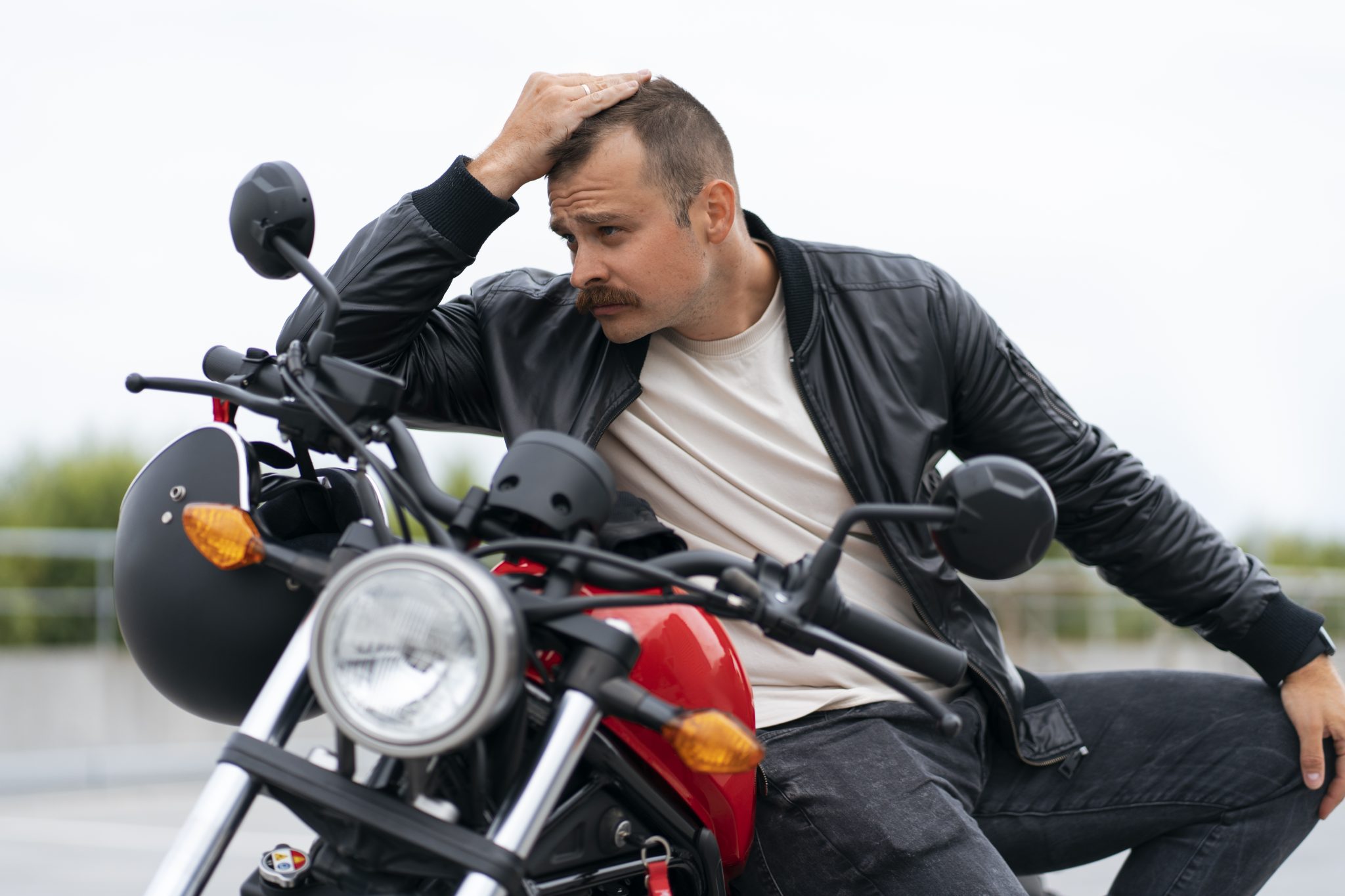
Motorcycle riders face a significantly higher risk of severe injuries, particularly head and brain trauma, in the event of a crash compared to drivers in enclosed vehicles. Wearing a helmet dramatically reduces this risk. Texas is one of the states that allows many adult riders (those over 21 with proper insurance or safety training) the freedom to ride without one, but that choice comes with legal challenges after a collision.
Following an accident, insurance companies representing the at-fault driver may argue that the injured rider contributed to the severity of their own injuries by not wearing protective gear. This argument seeks to reduce the total compensation payout.
The following analysis examines how Texas motorcycle helmet law impacts compensation, specifically focusing on the legal doctrine of comparative fault, and what riders should know before they hit the road to protect their financial recovery.
When Comparative Fault Reduces Compensation
Texas operates under a legal principle known as “modified comparative fault” (or proportionate responsibility). In an injury claim, if the injured party (the motorcyclist) is found to be partially at fault, their compensation award is reduced by their percentage of fault. For example, if a rider wins $100,000 but is found 20% at fault, the award is reduced to $80,000.
While the failure to wear a helmet did not cause the accident—the other driver’s negligence did—insurance companies will argue that the absence of a helmet increased the extent of the head or face injuries. If they successfully convince a jury that the rider’s decision to ride without a helmet contributed, say, 30% to the severity of the brain injury, the total claim value could be reduced by that amount. However, if the rider is found to be more than 50% at fault for the entire loss, they recover nothing at all.
Medical Evidence Linking Helmets to Injury Severity
The insurance defense strategy in these cases relies heavily on medical and biomechanical evidence. Expert witnesses are often called upon to testify that, based on the forces involved in the crash, a DOT-approved helmet would have likely prevented or minimized the severity of the specific head injury sustained.
To counter this, the injured rider’s legal team must demonstrate two things:
- Causation: The primary cause of the accident was the other driver’s negligence (e.g., running a red light or drifting into the lane).
- Mitigation: Even if a helmet was worn, the injury might still have occurred or the defendant’s negligence was so severe that the lack of a helmet is irrelevant to the liability.
Furthermore, if the injuries are to the body, legs, or arms—areas a helmet wouldn’t protect—the failure to wear one is completely irrelevant to the claim’s value.
How Lawyers Challenge Bias Against Riders
One challenge in motorcycle accident cases is overcoming inherent jury bias. Jurors may subconsciously view motorcycle riders as risk-takers or assume they are always riding recklessly, regardless of the evidence. Insurance defense lawyers often try to leverage this bias to shift blame.
Experienced personal injury attorneys work to humanize the rider and establish their responsible behavior leading up to the crash. They focus the jury’s attention squarely on the negligent actions of the defendant (the car driver) that caused the collision. The goal is to separate the act of riding without a helmet from the negligent cause of the collision itself.
Lawyers ensure that only relevant medical testimony is presented and vigorously oppose attempts to introduce helmet-related arguments when the injury is clearly not head-related.
Proving Fault Even When a Helmet Wasn’t Worn
The core of any successful injury claim is proving that the other party was at fault. This must be established independently of whether a helmet was worn. Evidence is gathered to reconstruct the accident, including:
- Police reports and traffic citations issued to the driver.
- Eyewitness testimony regarding the driver’s actions (speeding, distracted driving, etc.).
- Physical evidence like skid marks, property damage, and vehicle black box data.
The fact that a rider chose not to wear a helmet is generally inadmissible as evidence of negligence in causing the crash. The issue of helmet use is only introduced by the defense to argue a reduction in damages (comparative fault), not to escape liability entirely for causing the collision.
Conclusion Safety Choices and Claim Strength
While the Texas motorcycle helmet law permits certain riders to forgo a helmet, the choice can create an unnecessary legal hurdle after an accident. Insurance companies are skilled at using this fact to diminish compensation for catastrophic head injuries.
The ultimate strength of the injury claim still rests on proving the negligence of the other driver. However, riders who sustain head injuries without a helmet must be prepared for a vigorous defense attempt to apply comparative fault. Consulting an attorney immediately after a crash is essential to manage this defense strategy and protect the full value of the claim.