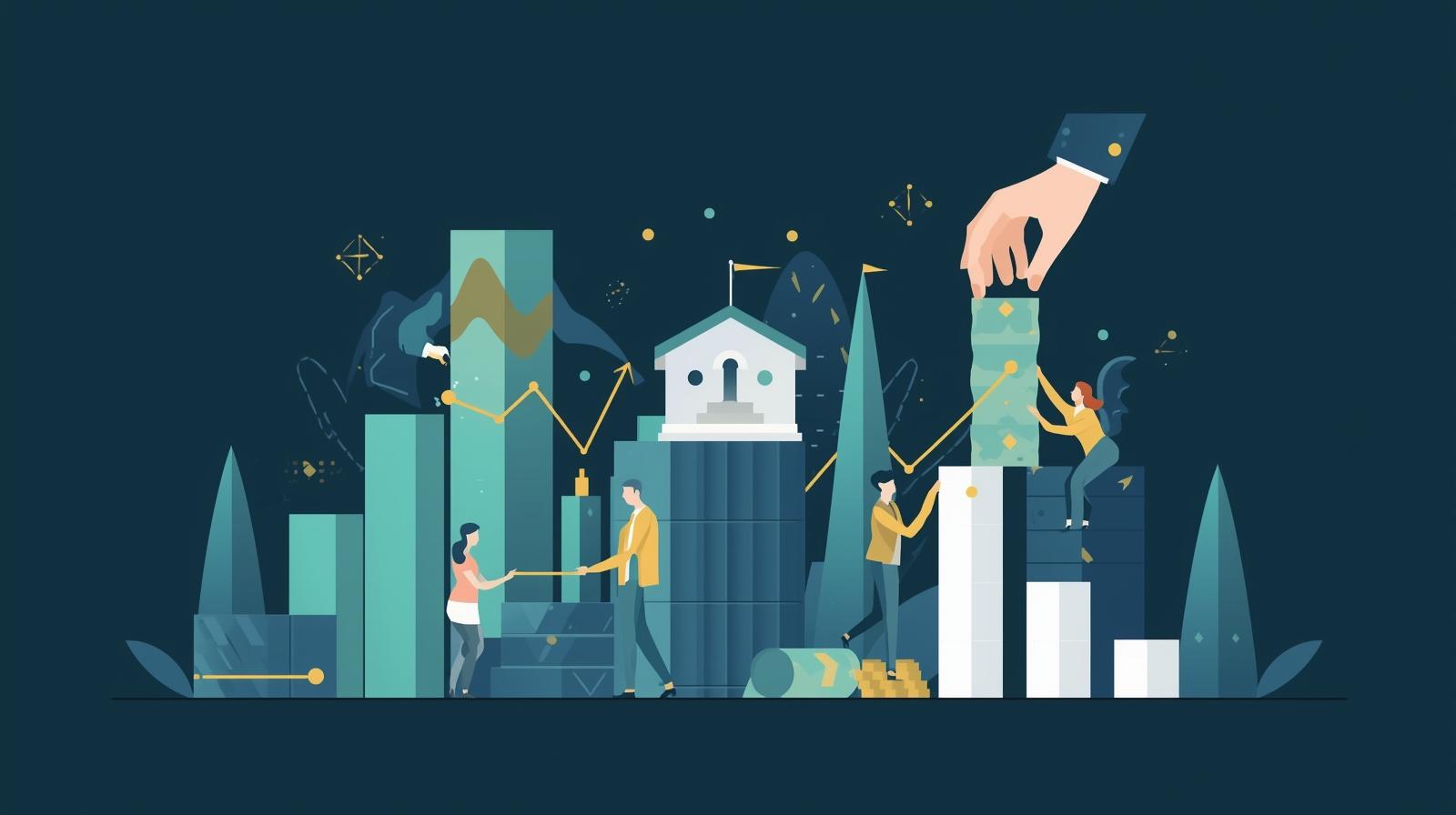
The Groundwork of Success
Building a business is a lot like constructing a house. You can have the most beautiful windows and a stunning front door, but if the foundation is weak, the whole structure eventually starts to lean. We often get caught up in the excitement of a big launch or that first major sale. Those moments are great. But long-term growth requires something much quieter and more deliberate. Honestly, it is usually the stuff nobody sees that matters most.
It’s about having a solid base to stand on.
Many of us tend to focus on the visible parts of growth. We look at marketing numbers and social media followers because they’re easy to track and, let’s be real, they give us a quick hit of dopamine. While those things matter, they aren’t the foundation. So, what actually makes up that base? It is your core values, your operational systems, and how well you actually understand the people you serve. Without these, growth becomes a chaotic scramble rather than a steady climb. I’ve seen it happen too many times.
Defining Your Core Purpose
A strong foundation starts with knowing exactly why you’re doing what you’re doing. It sounds simple, but it’s where many businesses lose their way. When things get difficult, and they will, your core purpose acts as a compass. It helps you decide which opportunities to say yes to and, more importantly, which ones you should probably turn down. Have you ever felt the pressure to take on a client that just didn’t feel right? That is your foundation testing you. You know that gut feeling I’m talking about.
Consistency is really just the byproduct of a clear purpose. When every member of your team understands the mission, they can make decisions on their own that align with the company’s goals. This creates a culture of trust. You aren’t micromanaging every detail anymore because the foundation of shared values holds everything in place. It takes a huge weight off your shoulders.
Systems That Support Scaling
You can’t grow if you’re the bottleneck for every single process. Foundations are built on systems that work even when you aren’t in the room. This means documenting your workflows and finding ways to automate the boring, repetitive stuff. It’s all about creating a repeatable experience for your customers. And that’s the point.
Scaling is often where things start to break.
If your current process for handling ten customers involves you working eighteen hours a day, you won’t be able to handle fifty. You have to build the infrastructure before the weight of growth arrives. I guess it’s about being proactive rather than reactive. This often requires upgrading your physical or digital tools to keep up with demand. Exploring options like business equipment financing can be a smart way to get the machinery or technology you need without draining your immediate cash. It lets you scale your capacity while keeping your capital fluid for other needs.
But are you prepared for that level of expansion today?
The Human Element of Growth
No business grows in a vacuum. The foundation of any lasting enterprise is the relationships it builds. This includes the people you hire, the partners you choose, and the customers you help. High turnover or unhappy clients are usually signs of a cracking foundation.
Investing in people is never a waste of time.
When you create an environment where people feel valued, they contribute more than just their labor. They give you their ideas and their loyalty. A business that treats people as assets rather than expenses is building a foundation that can weather just about any economic storm. I’ve sat through those late-night sessions where the only thing keeping the team going was a shared belief in what we were building.
Financial Health and Stability
We have to talk about the numbers for a second. A strong foundation requires some serious financial discipline. It means having a clear understanding of your cash flow and keeping a reserve for those unexpected challenges that always seem to pop up. Growth takes capital, and if you’re constantly living on the edge of your budget, you can’t take the risks you need to expand.
Profitability is the ultimate stabilizer. While it’s common for startups to focus on growth at any cost, long-term sustainability requires a path to profit. This involves regular audits of your expenses and a realistic view of your revenue. When your finances are solid, you have the freedom to innovate without the constant fear of running out of money. It’s about sleeping better at night.
Adapting to Change
Finally, a strong foundation isn’t rigid. It must be strong enough to support the weight of the business but flexible enough to adapt to a changing market. The world moves fast, and what your customers need will evolve. And that is the real challenge. Maybe it’s even the most important part. A business that refuses to change its methods while keeping its core values intact will eventually get left behind.
Building for the long term is a marathon. It’s about making the right choices today that will pay off five or ten years from now. It’s about choosing quality over shortcuts and people over pure profit. When you focus on the foundation first, the growth happens naturally.
And, more importantly, it actually lasts.