Breathable fabrics for hot and humid climates are essential for staying comfortable, dry, and confident throughout the day. In regions where high temperatures combine with moisture in the air, clothing choices can significantly affect productivity, mood, and overall well-being. Wearing the wrong fabric often leads to excessive sweating, skin irritation, and discomfort, while the right materials help regulate body temperature and improve airflow.
This guide explores the best breathable fabrics, how they work, styling tips, and practical outfit considerations for everyday wear, work environments, and travel in hot and humid conditions.
Why Fabric Choice Matters in Hot and Humid Weather
Hot and humid climates prevent sweat from evaporating quickly, making the body feel warmer than the actual temperature. Breathable fabrics allow air circulation and moisture absorption, helping sweat evaporate more efficiently.
The right fabric can:
-
Reduce heat retention
-
Prevent sweat buildup
-
Minimize odor and skin irritation
-
Improve comfort during long hours outdoors or indoors
Choosing breathable fabrics is not only about comfort but also about maintaining a polished appearance in professional and social settings.
Key Characteristics of Breathable Fabrics
Before choosing the right material, it’s important to understand what makes a fabric breathable:
-
Moisture absorption: Draws sweat away from the skin
-
Air permeability: Allows airflow through the fabric
-
Lightweight structure: Reduces heat trapping
-
Natural fibers or advanced weaves: Enhance ventilation
Fabrics that combine these characteristics are ideal for tropical and humid environments.
Best Breathable Fabrics for Hot and Humid Climates
Cotton
Cotton is one of the most popular breathable fabrics due to its softness and moisture-absorbing properties. It allows air to circulate easily and feels comfortable against the skin.
Best uses include casual wear, office shirts, summer dresses, and undergarments. However, pure cotton can retain moisture for longer periods, so lightweight cotton blends are often a better option in extreme humidity.
Linen
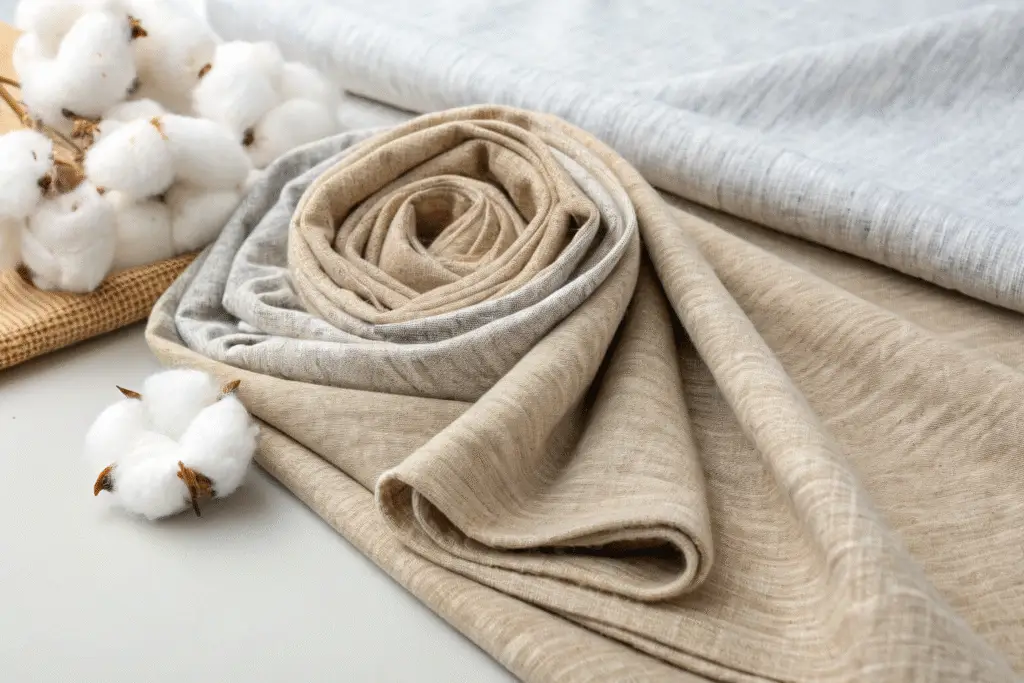
Linen is considered one of the best fabrics for hot and humid climates. Made from flax fibers, it is lightweight, highly breathable, and dries quickly.
Its natural texture allows maximum airflow, making it ideal for summer shirts, trousers, and relaxed professional outfits. Wrinkling is common, but many consider it part of linen’s charm.
Bamboo Fabric
Bamboo fabric is gaining popularity for its breathability and moisture-wicking properties. It feels soft, stays cool, and naturally resists odor, making it perfect for long, hot days.
This fabric is suitable for everyday wear, active lifestyles, and even professional settings where comfort is a priority.
Rayon and Viscose
Rayon and viscose are semi-synthetic fabrics made from natural fibers. They are lightweight, breathable, and drape well, making them ideal for humid climates.
They are commonly used in blouses, dresses, and loose-fitting garments that allow airflow while maintaining a refined appearance.
Chambray
Chambray is often mistaken for denim but is much lighter and more breathable. It offers the look of denim without the heat retention, making it a great option for shirts and casual wear in warm weather.
Breathable Fabrics vs Non-Breathable Fabrics
Synthetic fabrics like polyester and nylon are often less breathable, especially when tightly woven. While some modern synthetics are engineered for moisture control, many trap heat and sweat, making them uncomfortable in humid climates.
Natural and semi-natural fabrics generally perform better, especially when woven loosely and designed for airflow.
Breathable Fabrics Table Comparison
| Fabric | Breathability Level | Moisture Control | Best Use | Climate Suitability |
|---|---|---|---|---|
| Cotton | High | Moderate | Daily wear | Hot & humid |
| Linen | Very High | High | Summer outfits | Extremely hot |
| Bamboo | High | Very High | All-day wear | Hot & humid |
| Rayon | High | Moderate | Dresses, tops | Warm climates |
| Chambray | Moderate-High | Moderate | Casual shirts | Warm & humid |
Styling Breathable Fabrics for Everyday Wear
Breathable fabrics can be stylish as well as functional. Choosing loose silhouettes, light colors, and minimal layering enhances airflow and comfort.
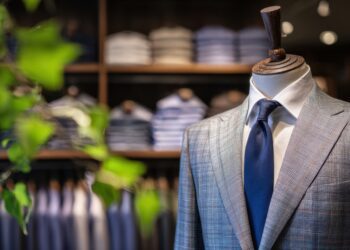
For work environments, breathable fabrics pair well with tailored designs. Linen trousers, cotton shirts, or bamboo blend tops can be styled into polished looks that align with modern professional standards, including trends like Smart Casual Outfit Ideas for Creative Professionals.
In casual settings, oversized shirts, flowy dresses, and relaxed pants made from breathable materials offer both comfort and effortless style.
Fabric Weaves That Improve Breathability
Beyond fiber type, fabric weave plays a crucial role in breathability. Looser weaves allow more air circulation, while tighter weaves trap heat.
Look for:
-
Plain weaves
-
Open or airy textures
-
Lightweight knits
These construction methods enhance ventilation and reduce heat buildup.
Caring for Breathable Fabrics in Humid Climates
Proper care ensures that breathable fabrics maintain their performance over time. Wash garments in mild detergent, avoid heavy fabric softeners, and allow clothes to air dry whenever possible.
Storing clothing in well-ventilated areas also helps prevent odor and moisture buildup.
FAQs: Breathable Fabrics for Hot and Humid Climates
What is the most breathable fabric for extreme heat?
Linen is widely considered the most breathable fabric due to its loose weave and natural airflow properties.
Is cotton good for humid weather?
Yes, cotton is breathable and comfortable, but lightweight cotton or cotton blends perform better in high humidity.
Are synthetic fabrics bad for hot climates?
Many synthetic fabrics trap heat, but some modern versions are engineered for breathability. Natural fibers usually remain the best choice.
Which colors work best with breathable fabrics?
Light colors reflect heat better than dark shades, helping keep the body cooler in hot and humid climates.
Can breathable fabrics be worn in professional settings?
Absolutely. With the right tailoring and styling, breathable fabrics can look polished and professional.
Final Thoughts
Breathable fabrics for hot and humid climates are a necessity, not a luxury. Choosing the right materials can dramatically improve comfort, appearance, and confidence in challenging weather conditions. By focusing on natural fibers, lightweight weaves, and thoughtful styling, it’s possible to stay cool without compromising on style or professionalism.