For over two decades, Botox has been a go-to solution in cosmetic dermatology for those seeking a smoother complexion and fewer visible lines. Millions of people rely on it to diminish forehead wrinkles, glabellar lines, and fine creases that appear with age. Despite its popularity, however, Botox injections are not the only path to a youthful appearance.
Today, the conversation is shifting. Patients are increasingly interested in Botox alternative brands — treatments and products that can deliver similar wrinkle-reducing effects without the high price tag, needles, or potential risks associated with botulinum toxin. This growing demand has fueled an entire market of innovative solutions ranging from injectable dermal fillers to non-invasive laser procedures, and even natural remedies that enhance skin health over time.
Understanding Botox and Its Mechanism
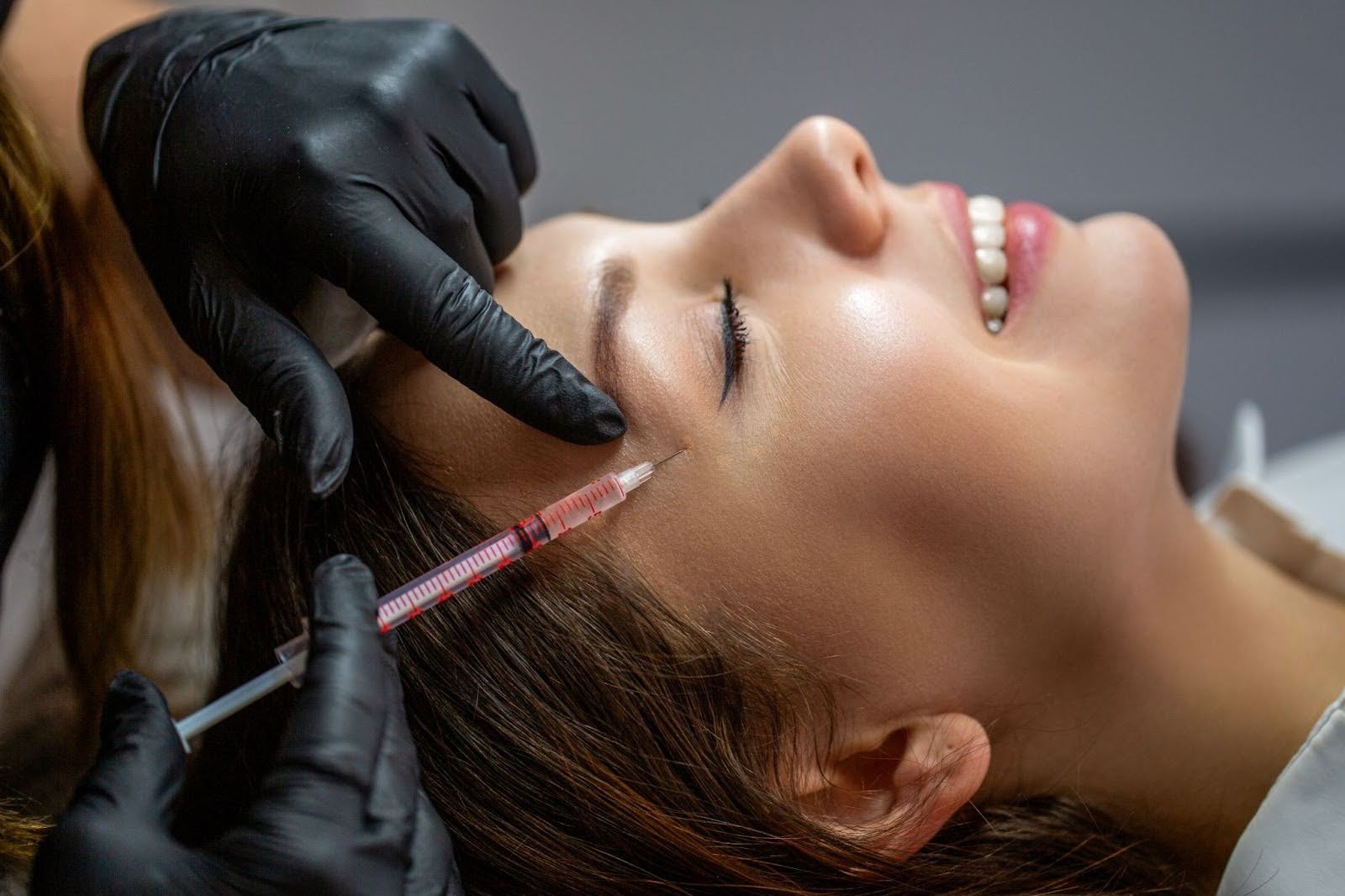
Before diving into the best substitutes, it’s essential to understand what Botox is and why it works so effectively. Botox is the brand name for an injectable drug derived from botulinum toxin type A. In controlled, small doses, it works by temporarily relaxing targeted muscles. This reduces the appearance of facial wrinkles, particularly those caused by repetitive expressions such as smiling, frowning, or raising eyebrows.
How It Works
The mechanism is fairly straightforward:
- Botox is injected into specific areas of the face.
- The toxin blocks nerve signals from reaching the facial muscles.
- Without these signals, the muscles cannot contract.
- As a result, the skin overlying those muscles smooths out, diminishing visible lines.
This approach is most effective for dynamic wrinkles—the kind caused by movement. Commonly treated areas include:
- Forehead lines from raising the brows;
- Glabellar lines (the “11s” between the eyebrows);
- Crow’s feet around the eyes.
Beyond Cosmetic Use
Although most people associate Botox with beauty treatments, it has several medical applications as well. Physicians may prescribe it for conditions such as:
- Cervical dystonia, a painful neck disorder;
- Chronic migraines;
- Excessive sweating;
- Muscle spasms.
These additional uses demonstrate its versatility as a therapeutic tool, but they also highlight that Botox is, at its core, a powerful neurotoxin.
The Limitations of Botox
Despite its benefits, Botox comes with drawbacks that lead many to search for substitutes:
- Temporary results: effects typically last 3–6 months, requiring ongoing treatments.
- Cost factor: multiple sessions per year can add up quickly.
- Side effects: bruising, swelling, or even asymmetrical facial expressions may occur.
- Not preventive for everyone: while it can reduce existing wrinkles, it doesn’t directly improve underlying skin health such as collagen or elastin production.
This is where alternatives to Botox enter the picture, offering solutions that address not only surface-level wrinkles but also deeper issues like texture and elasticity.
Why Consider Alternatives to Botox Injections?
For many patients, Botox remains effective. Yet the interest in alternative treatments is growing rapidly. Understanding why people seek out different options sheds light on the larger trends shaping modern cosmetic dermatology:
- High cost of injections. A single Botox session may seem manageable, but when repeated every few months, expenses mount quickly. In contrast, cheaper equivalents such as dermal fillers or light therapy may provide longer-lasting benefits for a similar or lower price.
- Concerns about safety. Although generally considered safe when administered by a board-certified professional, Botox is still a neurotoxin. Some patients are hesitant about introducing this substance into their bodies, especially if they’re only targeting mild fine lines and wrinkles. Alternatives like hyaluronic acid treatments or laser resurfacing feel less intimidating.
- Desire for non-invasive treatments. Not everyone is comfortable with injections. Alternatives provide less invasive ways to achieve cosmetic improvement: fractional laser treatments to stimulate collagen production, facial massage for natural circulation and muscle relaxation.
- Natural and lifestyle-based options. There is a rising preference for natural approaches that rely on vitamin E, peptides, etc. These approaches may not deliver instant wrinkle reduction but can contribute to healthier, stronger skin over time.
- Broader treatment goals. Another reason patients seek alternatives to Botox is because it primarily addresses muscle-related wrinkles. However, aging skin involves much more than expression lines: sagging skin due to loss of elasticity, acne scars that disrupt smoothness, dark spots caused by sun damage, general decline in texture and skin care routine effectiveness.
Injectable Botox Alternatives
While Botox itself is an injectable, not all injectables work in the same way. Some don’t freeze facial muscles but instead restore volume, improve hydration, or stimulate the skin’s natural ability to regenerate. These are among the most popular alternatives to Botox for patients seeking similar results without using botulinum toxin.
Dermal Fillers
One of the most well-known substitutes is dermal fillers, which are often made from hyaluronic acid gel— a substance naturally found in the body. Rather than paralyzing muscle movement, fillers work by:
- Adding volume to hollow areas of the face.
- Plumping deep lines and wrinkles, especially around the mouth and cheeks.
- Enhancing lip or cheek contours for a fuller look.
By restoring lost volume and hydrating the skin, fillers not only soften deep folds but also help reduce wrinkles that Botox alone might not address. Results can last 6-24 months depending on the formulation.
Regenerative Injectables
In recent years, treatments that encourage the body’s own repair systems have gained popularity. These include:
- Growth factor injections that stimulate collagen production and elastin fibers.
- Platelet-rich plasma, which uses the patient’s own blood to promote healing and smoother skin.
These options not only reduce wrinkles but also improve overall skin texture, treating acne scars or fine lines that Botox alone cannot fix.
Comparing Injectable Options to Botox
- Botox: stops muscle contractions to reduce expression lines.
- Fillers: replace lost volume, improve hydration, and smooth deeper folds.
- Regenerative injectables: support long-term collagen formation for lasting improvements.
Non-Invasive Cosmetic Procedures
Not everyone wants needles. Fortunately, cosmetic dermatology now offers several non-invasive treatments that can rival the wrinkle-reducing effects of Botox. These options target both surface-level imperfections and deeper skin concerns.
Laser Resurfacing Treatments
It uses targeted beams of light to remove damaged skin layers and trigger new cell growth. The result is:
- Reduced forehead fine lines;
- Improved skin tone and reduction of age spots;
- Smoother skin by treating scars and uneven texture.
A more advanced form, fractional laser treatments, focuses on small zones of skin, stimulating collagen production while minimizing recovery time. This makes it appealing to patients who want effective results without long downtime.
Light Therapy
This is another non-invasive option, which uses specific wavelengths to stimulate natural repair mechanisms in the skin. Benefits include:
- Boosting collagen production for wrinkle reduction.
- Evening out discoloration caused by sun or aging.
- Supporting recovery from acne and inflammation.
Unlike Botox, these treatments target the underlying skin health, which can create more natural and progressive results and soften the appearance of fine lines without injections.
Facial Massage and Microcurrent Therapy
For those who prefer a less clinical approach, techniques like massage or microcurrent devices provide subtle but real benefits. They work by:
- Increasing blood circulation to nourish skin cells;
- Toning loose skin and encouraging firmer contours;
- Supporting elastin synthesis to maintain resilience.
While results are not as dramatic as Botox, these methods appeal to patients seeking a gentler, holistic way to improve their appearance.
Key Advantages Over Botox
- No toxins introduced into the body;
- Reduced risk of side effects;
- Improvement not only in wrinkles but also in facial care routine outcomes, such as texture, elasticity, and radiance.
Natural Alternatives to Botox
A growing number of people want solutions that feel safer, more sustainable, and less clinical. For them, natural options to Botox provide an appealing route. These may not deliver instant wrinkle reduction but instead support long-term skin health and a gradual youthful appearance.
Topical Antioxidants
Products enriched with vitamin E, vitamin C, or plant-based extracts help fight oxidative stress, one of the major contributors to skin aging. They can:
- Reduce the appearance of fine lines and wrinkles;
- Improve hydration and skin elasticity;
- Brighten overall complexion.
Naturally Occurring Substances
Some anti-aging treatments use compounds already found in the body. For example:
- HA serums boost moisture and plump the skin, providing a temporary wrinkle-smoothing effect.
- Peptides encourage the skin to build more collagen and elastin, which directly impacts firmness.
These ingredients are now central to many best Botox alternative skincare products on the market.
Lifestyle-Based Approaches
Simple, consistent habits can also work as powerful nature-based alternatives:
- Maintaining a nutrient-rich diet to support collagen production.
- Protecting skin from UV damage with sunscreen to prevent premature wrinkles.
- Regular exercise and hydration to keep skin supple and radiant.
Why Some Choose Natural Options
- Safety: no risk of complications from injections.
- Affordability: many topical solutions cost far less than cosmetic procedures.
- Holistic results: instead of focusing only on wrinkle reduction, these methods improve overall skin texture and long-term health.
Comparing Top Competitors to Botox
As demand for Botox alternatives grows, several brands and treatments have become strong competitors in the cosmetic market. Each has unique advantages, making it important for patients to compare before committing to a procedure.
Leading Injectable Competitors with Hyaluronic Acid
- Juvederm – a HA gel filler that restores volume, smooths lines and wrinkles, and provides long-lasting hydration.
- Restylane – similar to Juvederm but designed for more subtle enhancements, often used for fine lines and lip shaping.
- Dysport – another form of botulinum toxin type A, similar to Botox but with slightly different diffusion properties, often preferred for treating larger areas like forehead lines.
Non-Invasive Alternatives to Botox
- Fraxel and other fractional laser methods – known for reducing scars, improving skin texture, and treating pigmentation issues.
- LED therapy devices – available both in clinics and at home, offering safe support for collagen synthesis and evening out skin tone.
Natural and Over-the-Counter Options
- Topical serums with peptides or vitamins – affordable, easy to use, and supportive of long-term skin improvement.
- Massage tools like gua-sha or rollers – boost circulation and help maintain a firmer look without medical intervention.
Cost and Accessibility
- Botox: effective but requires ongoing investment.
- Fillers and Dysport: moderately priced, slightly longer-lasting results.
- Lasers therapy: higher upfront cost, but results often improve skin in multiple ways beyond wrinkle reduction.
- Natural skincare: cheapest, but results take longer and may be less dramatic.
While at-home skincare solutions may be affordable, procedures like fillers or lasers should always be performed by professionals such as dermatologists or plastic surgeons to guarantee safety.
Choosing the Best Botox Alternative
Finding the best Botox alternative is not about picking the trendiest option but about matching treatments to individual needs. Each person’s skin, age, and expectations are different, and what works for one may not work for another.
Factors to Consider
- Type of Wrinkles
- Dynamic wrinkles: often respond best to injectables like Dysport or Xeomin.
- Static wrinkles (from sun damage or aging): may benefit more from fillers, lasers, or skincare routines.
- Skin Concerns Beyond Wrinkles
- Acne marks or age spots: fractional laser or LED therapy.
- Sagging skin: fillers or microcurrent treatments.
- Loose skin with reduced elasticity: collagen-boosting injectables or regenerative approaches.
- Budget and Maintenance
- Willing to invest in regular sessions? Botox or fillers may be fine.
- Looking for a one-time procedure with long-term results? Consider laser treatments.
- Prefer low-cost, gradual improvement? Topical skincare with HA or antioxidants is a good route.
- Professional Guidance
- Always consult with a board-certified dermatologist or plastic surgeon.
- A professional can assess facial structure, discuss risks, and recommend the safest and most effective treatment.
- For patients exploring FDA-approved injectables, it’s also important to choose trusted providers. The best place to buy Botox is through an authorized source such as an Ogomed distributor, ensuring product authenticity and patient safety.
Conclusion
Botox Treatment has transformed the field of cosmetic dermatology, but it is no longer the only path to a smoother, more youthful face. What sets these alternatives apart is their ability to address more than just wrinkles.
The key is personalization. By working with certified professionals, patients can identify whether the right path lies in injectables, non-invasive treatments, or natural approaches. Each option has its place, and often the best results come from a tailored combination rather than a single solution.