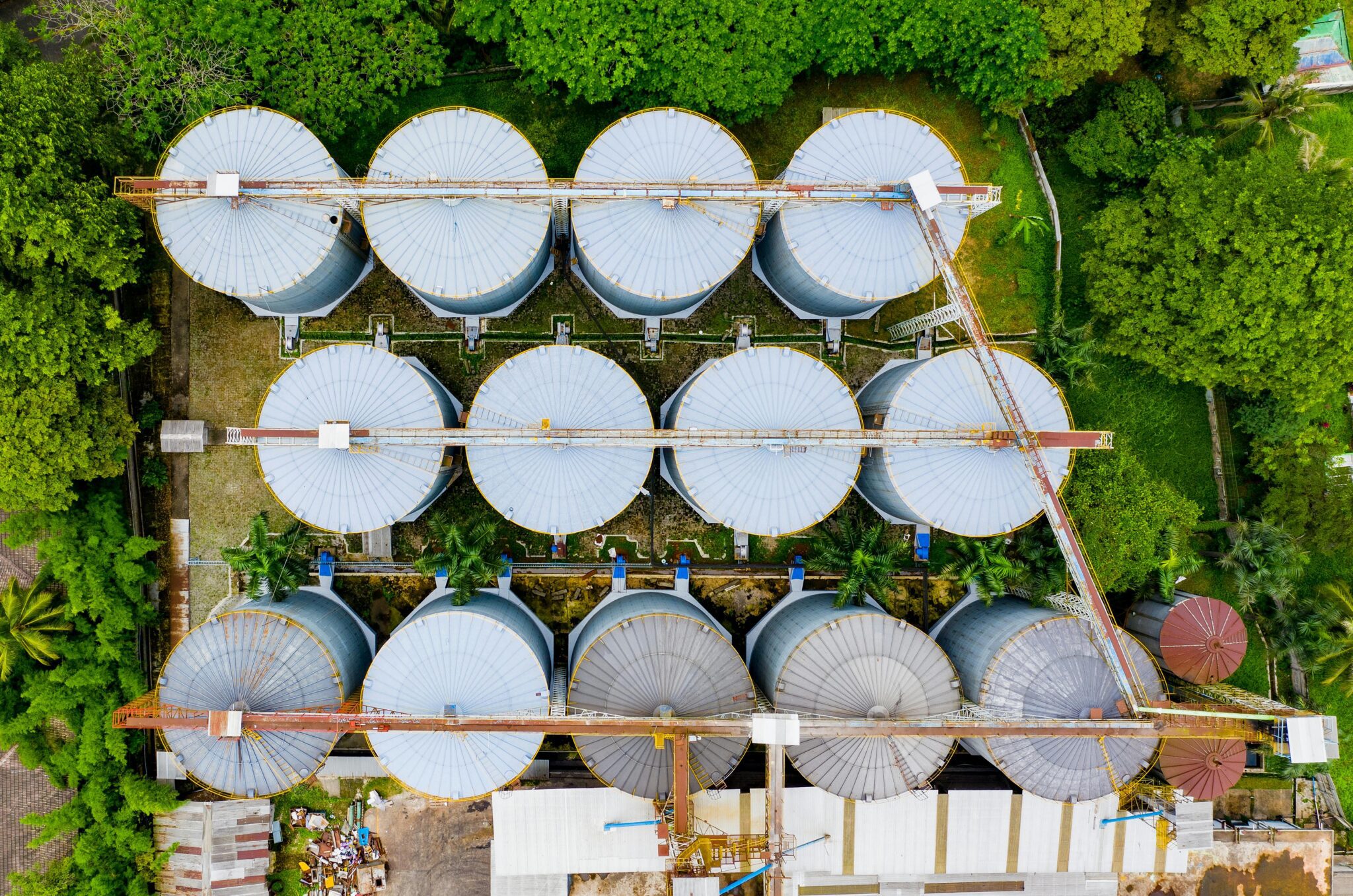
Steel tanks sit behind many “always-on” systems. They provide fire protection, stabilise process operations, and secure water supply. The right tank choice reduces schedule risk and future downtime. The wrong choice can lock you into expensive repairs and long outages.
This article compares bolted vs welded steel tanks in practical terms. You will see how each option affects installation, coatings, maintenance, and total cost. By the end, you will know how to choose a steel storage tank that fits your site and long-term plan.
Start With the Basics: What Are Bolted vs. Welded Steel Tanks?
Bolted steel storage tanks use pre-fabricated steel panels. Manufacturers coat these panels in controlled factory conditions. Crews ship the panels, then assemble the shell on site with bolts and gaskets.
Welded steel storage tanks use shell plates joined by welding. Fabrication can happen in a shop or on-site. Crews then coat the steel and complete inspection steps tied to weld quality.
Both tank types handle the same core jobs. They store water, wastewater, chemicals, fuels, and dry bulk. The key difference is how they get built, shipped, and maintained. Project teams often start by comparing suppliers and options at https://tarscoboltedtank.com/ when they want a clear view of modern bolted systems.
Common bolted tank use cases include municipal steel water storage tanks, fire protection reserves, and agricultural storage. Many industrial storage tank solutions for dry bulk also use bolted construction because panels ship efficiently. Welded tanks often appear in large fixed municipal reservoirs, refinery and terminal service, and heavy industrial liquid storage, where in-house welding support is common.
Installation, Site Access, and Schedule: How Fast Do You Need Your Tank?
Schedule pressure shapes most tank decisions. Bolted tanks arrive as modular panels. Crews can stage parts in smaller laydown areas and lift lighter pieces. Assembly often fits shorter construction windows, even on tight or remote sites.
Welded tanks can demand heavier field equipment and more site labour. You need qualified welders, inspection capacity, and strict safety controls. Weather can slow welding, testing, and coating cure. That can extend the schedule and increase site overhead.
If you need storage online quickly, bolted tanks often win on speed and flexibility. Welded tanks can still make sense for very large, permanent facilities with stable access and long construction horizons. Permitting and inspection can affect both options, yet welded work tends to drive more field inspection steps. Bolted tanks shift more quality control to the factory, then focus field checks on assembly and sealing.
Here is a quick table that reflects real site constraints.
| Factor | Bolted Tank | Welded Tank |
| Typical build approach | Factory panels, then field assembly | Field or shop welding, then coating and testing |
| Site access needs | Often works with tighter access and smaller laydown | Often needs more open access and heavy equipment |
| Schedule sensitivity | Shorter windows, modular sequencing | Longer windows, more weather-sensitive work |
| Weather impact | Less field welding, fewer weather delays | Welding and coatings can slip in poor conditions |
| Field inspection load | Focus on assembly, sealing, and leak tests | More weld inspections and field QA steps |
| Future expansion | Panels can support upsizing on some designs | Expansion usually means major field fabrication |
| Relocation potential | Can be disassembled and moved in some cases | Relocation is rare and costly |
If you expect future growth, bolted construction can reduce disruption. If you expect a stable footprint for decades, welded may align with long-term permanence.
Durability, Coatings, and Maintenance Over the Long Haul
Durability depends on coatings, environment, and discipline. Bolted tanks rely on factory-applied coatings and gasketed joints. Factory control can improve coating consistency. Panel construction can make local repairs more targeted, since damage often maps to a specific panel.
Welded tanks rely on weld quality and field coating quality. Weld seams remove many mechanical joints, yet the coating must protect every surface. Owners can often recoat and repair welded tanks in place for decades, assuming access and outage planning.
People ask, “Which lasts longer?” The honest answer is nuanced. Design, coating system, stored product, and environment often drive service life. Coastal exposure, splash zones, and poor drainage can shorten the life of any tank. Maintenance culture can matter more than the joining method.
Use a practical bolted tank installation and maintenance routine, and apply the same discipline to welded tanks:
- Inspect exterior coatings for chips, rust staining, and wet spots after storms
- Check penetrations, ladders, and roof edges where wear appears first
- Watch corrosion near joints and appurtenances, especially in splash areas
- Monitor gasket condition and follow torque and re-torque guidance
- Schedule periodic coating evaluations and fix small failures early
Early repairs often cost less than delayed overhauls. The best tank is the one you can keep in service with predictable outages.
Cost and Total Cost of Ownership: Not Just the Cheapest Bid
Upfront cost includes more than the steel weight. Field labour, inspections, equipment rentals, and schedule risk can dominate. Bolted tanks often reduce on-site labour and shorten construction windows. That can lower supervision time and temporary site costs.
Welded tanks often bring higher field labour and inspection costs, especially when weather disrupts welding and coatings. Still, welded tanks can be economical on large permanent sites that plan for in-place refurbishment. Long-term maintenance access and in-house capability can shift the equation.
Think in 20–30-year terms. A mid-size fire water tank for an industrial plant often values fast delivery, controlled installation, and expansion options. That profile often supports bolted construction. A very large municipal reservoir built for a fixed footprint may be lean-welded, especially with strong internal maintenance planning.
Ask about hidden line items before you decide. Mobilisation and site prep can swing totals. Coating maintenance plans can change the long-run cost. Regulatory inspections can add recurring expenses. Downtime can become the highest cost if the tank must go offline.
How to Choose for Your Project:
A clear checklist keeps the decision grounded. Start with capacity and footprint, then test site access and schedule constraints. Add stored product, codes, and long-term maintenance realities. This approach supports a clean comparison of bolted and welded tanks without guesswork.
Use this project checklist:
- Capacity, diameter, footprint limits, and foundation plan
- Access routes, crane limits, laydown space, and site congestion
- Schedule drivers, weather risk, and commissioning date
- Product stored, corrosion exposure, and operating temperature
- Codes, inspection scope, and documentation requirements
- Budget, downtime tolerance, and long-term maintenance plan
- Future expansion plans and relocation risk
Many teams talk to welded-tank contractors and bolted-tank specialists before final selection. Tarsco Bolted Tank, for example, designs, manufactures, installs, and maintains above-ground bolted storage systems for liquid and dry service.
A few rules of thumb can guide early decisions. Remote site plus a fast schedule often points bolted. Tight access and likely expansion often point the same way. Very large, permanent municipal tanks with strong in-house maintenance access are often point-welded.
No single choice wins every project. The better tank fits your site constraints, budget, and long-term operating strategy.