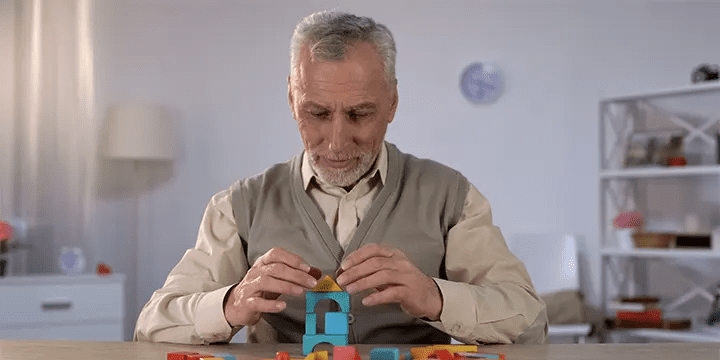
The natural process of aging demands special attention to mental health in elderly care. Scientists have found that our minds process information differently as time moves forward. Brain exercises for elderly offer seniors powerful tools to keep their mental abilities strong and vibrant.
Research shows that well-chosen mental exercises can help older adults maintain their cognitive strength. Seniors can boost their brain power through movement, mental challenges, and social activities. Modern technology also presents exciting ways for older adults to strengthen their minds. Simple daily practices can create lasting positive changes in mental functioning.
Let’s explore the best ways to keep the mind active and thriving.
Physical Exercises for Brain Health
Walking & Aerobic Exercises – Enhances Blood Flow to the Brain
Walking, swimming, and biking send vital oxygen-rich blood flowing to the brain’s neural networks. These activities strengthen brain cells and create protection against memory-related health challenges. Daily walks lasting just thirty minutes can transform how well your brain works. Movement helps build new connections between brain cells while protecting existing neural pathways.
If you’re not ready to do full on biking right away you can get a rickshaw bike. The great thing about these is that they are e-bikes and you can add the extra electric help if you need it. They are great for people that have hip or back pain. Additionally, they have the added functionality to bring passengers too if you’re wanting an activity to do with your grandchildren.
Yoga & Tai Chi – Reduces Stress and Improves Focus
Ancient practices like yoga and Tai Chi blend gentle movement with deep mental concentration. These exercises help seniors manage stress levels that could otherwise damage memory function. Regular practice of these mindful movements sharpens attention and builds mental resilience. Participants often report feeling more centered and mentally clear after each session.
Strength Training – Boosts Brain Function and Memory
Building muscle strength creates positive changes in both body and brain performance. Scientists have discovered that regular strength work helps preserve mental sharpness in aging adults. Simple exercises with light weights or stretchy bands improve both physical and mental abilities. The brain forms new pathways each time seniors engage in resistance training activities. Incorporating brain exercises for memory helps to enhance cognitive function and overall well-being.
Dancing – Engages Memory and Coordination
Moving to music challenges the brain to remember steps while coordinating complex body movements. Dance classes offer seniors an enjoyable way to strengthen multiple brain areas simultaneously. Learning new dance patterns keeps neural connections firing strongly and maintains mental flexibility. Social dancing adds joy and connection to brain-boosting movement patterns.
Mental Exercises & Brain Games
Just like muscles, the brain needs regular workouts to stay in shape. Brain games and mental exercises stimulate cognitive functions, helping seniors stay sharp.
1. Puzzles & Crosswords
- Strengthens problem-solving skills
- Improves vocabulary and reasoning abilities
- Encourages critical thinking
2. Sudoku & Chess
- Enhances logical thinking and strategy planning
- Improves concentration and patience
- Challenges the brain, keeping it engaged
3. Memory Card Games
- Boosts short-term memory and recall ability
- Encourages focus and visual recognition
- Fun and interactive way to keep the brain active
4. Learning a New Skill
- Activities like playing an instrument, painting, or knitting keep the brain engaged
- Helps improve hand-eye coordination and cognitive flexibility
- Encourages creativity, which stimulates brain activity
Social Engagement & Cognitive Stimulation
Regular social contact forms the foundation of robust mental health in elderly care. Active social participation shields seniors from experiencing mental health challenges and memory loss. Let’s explore activities that enhance both mental sharpness and emotional health:
Conversations & Storytelling
Social interaction is crucial for mental health in elderly care. Engaging in deep conversations, reminiscing, or storytelling exercises cognitive recall and emotional intelligence, keeping the brain stimulated.
Group Activities (Book Clubs, Discussion Groups)
Joining book clubs, discussion groups, or community classes provides a mix of social interaction and mental exercise. Reading, debating, and learning together keep the brain sharp and reduce feelings of isolation.
Volunteering & Community Participation
Seniors who volunteer or engage in community activities have lower risks of dementia and depression. Giving back fosters a sense of purpose, keeping the mind engaged in meaningful tasks.
Technology & Brain Training Apps
Lumosity & BrainHQ
Scientific brain training programs offer seniors engaging ways to maintain mental sharpness. These specialized apps create personalized cognitive workouts that target specific mental skills. Users enjoy challenging games while strengthening their memory and problem-solving abilities.
Educational Videos & Online Courses
Digital learning platforms provide endless opportunities for seniors to explore new subjects. Interactive courses help older adults maintain mental flexibility through continuous learning experiences. Modern technology makes quality education accessible while promoting active brain engagement.
Healthy Lifestyle Habits for Brain Health
Meditation & Mindfulness – Reduces Stress and Enhances Focus
- Meditation helps in stress reduction, improves focus, and boosts emotional regulation.
- Seniors practicing mindfulness report better memory retention and reduced anxiety.
Nutrition for the Brain – Essential for Cognitive Function
- A well-balanced diet plays a crucial role in mental health.
- Foods rich in omega-3 fatty acids (like fish and walnuts), antioxidants (found in berries), and vitamins (from leafy greens) support brain health.
- Hydration is also key to maintaining cognitive function.
Quality Sleep & Relaxation Techniques – Essential for Memory Consolidation
- Lack of sleep can lead to cognitive decline.
- Establishing a bedtime routine, reducing screen time before bed, and practicing relaxation techniques can improve sleep quality, supporting memory consolidation.
Conclusion
Mental stimulation stands as a cornerstone for maintaining cognitive health during aging. Various brain exercises for elderly, from strategic games to regular physical movement. Daily social interactions combine naturally with brain training to create comprehensive mental health in elderly care.
Simple daily choices create lasting positive effects on memory function and mental clarity. Start your brain health journey today with enjoyable activities that challenge your mind. Every small step toward mental engagement helps build a stronger foundation for lasting wellness.
References
- Regular exercise is associated with emotional resilience to acute stress in healthy adults – PMC https://pmc.ncbi.nlm.nih.gov/articles/PMC4013452/
- Brain Training Games Enhance Cognitive Function in Healthy Subjects – PMC https://pmc.ncbi.nlm.nih.gov/articles/PMC5930973/
- Omega-3 Fatty Acids – StatPearls – NCBI Bookshelf https://www.ncbi.nlm.nih.gov/books/NBK564314/