After an accident, people often refer to their pain as a “back injury.” This is simple, but not all back injuries are the same. Conditions like a pulled muscle, herniated disc, fractured vertebra, and spinal cord injury vary in severity, treatment, and long-term effects. Your diagnosis is important because it determines your recovery and the value of your case.
Insurance companies focus on your diagnosis since it affects proof, damages, future care, and credibility. They may downplay serious injuries or claim they were pre-existing. Understanding the difference between back and spinal cord injuries—and ensuring your medical records are accurate—is crucial. If you want to protect your rights after a serious injury, a spine injury law firm in San Antonio can help connect the medical facts to your legal case and seek fair compensation.
What People Mean by “Back Injury” (and Why It’s So Broad)
“Back injury” is an umbrella term. It can describe anything from minor soreness to severe structural damage. Common back injuries include muscle strains, ligament sprains, facet joint injuries, disc bulges, herniations, compression fractures, and nerve irritation.
Because the phrase is so broad, it can be misleading in a legal claim. If your records only reflect “back pain,” an insurer may treat the injury as minor even if the underlying condition is significant. A precise diagnosis helps clarify what tissue was damaged and what treatment is necessary.
Spinal Cord Injury: A Different Category Entirely
A spinal cord injury (SCI) involves damage to the spinal cord itself, not just the bones and discs around it. This can affect movement, sensation, and bodily functions below the injury level. Spinal cord injuries are often classified as complete or incomplete, depending on how much function remains.
Unlike many back injuries, spinal cord injuries can create permanent disability, require extensive rehabilitation, and lead to long-term complications. Even an incomplete SCI may cause lasting weakness, balance issues, chronic pain, or nerve dysfunction that changes everyday life.
The Spine vs. the Spinal Cord: Why the Difference Matters
The spine is the structure—vertebrae, discs, joints, and supporting ligaments. The spinal cord is the nerve “highway” running through it. You can injure the spine without injuring the spinal cord. You can also have cord-related symptoms from compression, swelling, or nerve damage that isn’t always obvious at first.
This distinction matters legally because it affects severity, future care needs, and damages. A disc injury that compresses nerves may require injections or surgery, while a cord injury may require long-term rehabilitation, adaptive equipment, and ongoing medical management.
Symptoms That Suggest More Than a “Typical” Back Injury
Some symptoms should trigger immediate medical attention because they may indicate nerve or cord involvement:
- Weakness in arms or legs
- Numbness, tingling, or burning pain
- Loss of coordination or balance
- Changes in bowel or bladder function
- Shooting pain down the limbs
- Symptoms that worsen quickly rather than improve
How Diagnosis Affects the Value of a Claim
Diagnosis drives the “future” part of a case. A minor strain may resolve in weeks. A herniated disc may require months of care and possibly surgery. A spinal cord injury may require lifelong treatment, rehabilitation, and support.
The more extensive and permanent the condition, the higher the potential damages—medical costs, lost earning capacity, and pain and suffering. Diagnosis also influences whether experts are needed to explain future care, disability, and long-term life impact.
Medical Imaging and Specialist Evaluation: Why They Matter
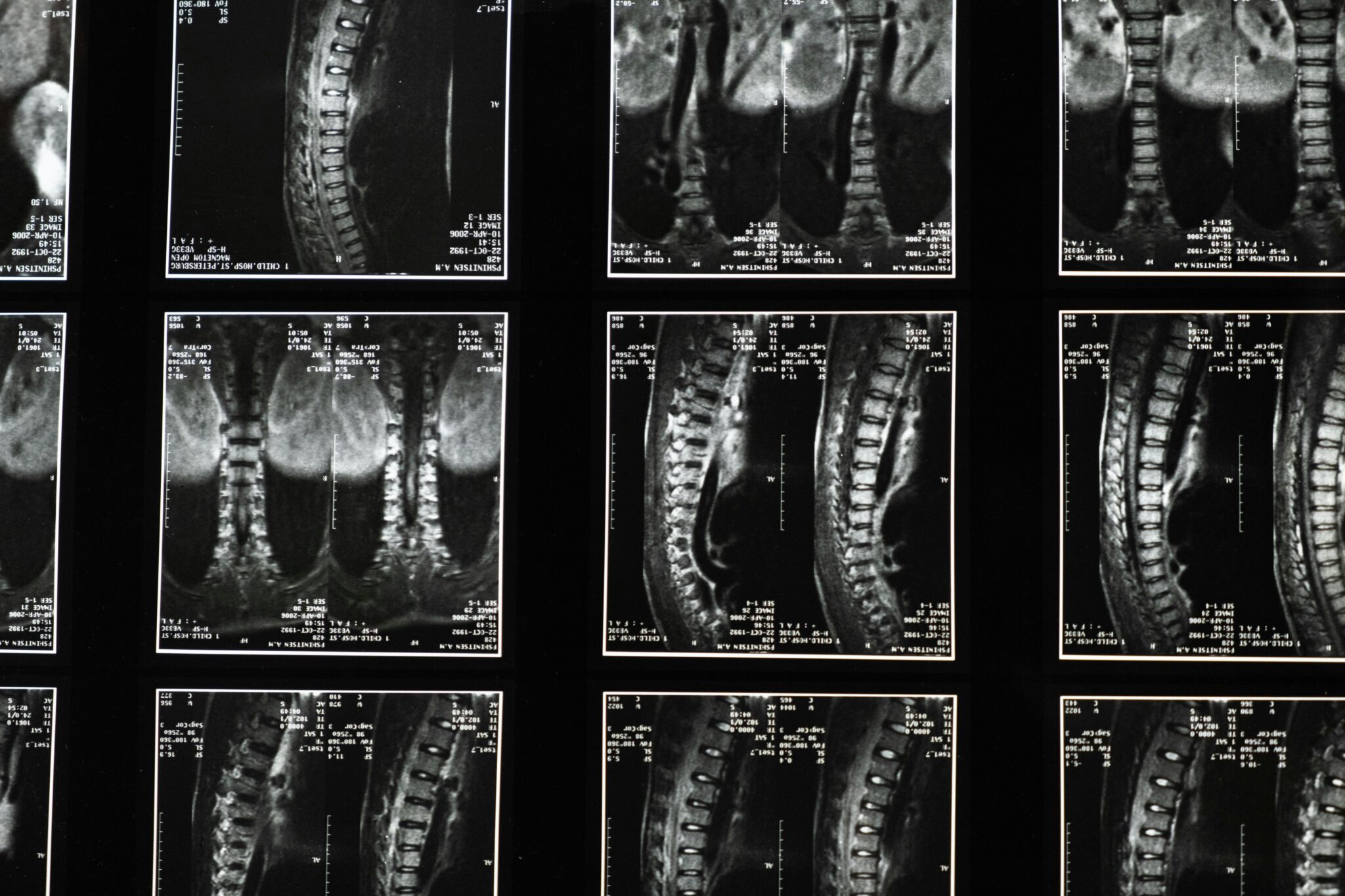
Back and spine injuries aren’t always visible immediately. X-rays can miss disc injuries and soft tissue damage. MRIs often provide the clearest picture of disc herniations, nerve compression, and spinal cord issues. CT scans may be critical for fractures.
Specialist evaluation—neurology, orthopedics, neurosurgery—can also strengthen the clarity of diagnosis and treatment needs. Insurance companies often respect specialist documentation more than vague notes from early urgent care visits.
“Pre-Existing Condition” Arguments and How Diagnosis Helps
Insurers often argue that back problems existed before the accident. This is common because many people have prior degenerative changes that show up on imaging. The key issue is whether the accident caused a new injury, aggravated a condition, or triggered symptoms that weren’t present before.
A detailed diagnosis can help show what changed after the accident—new herniation, new nerve compression, acute symptoms, or a worsening that matches the injury mechanism. Consistent medical records and symptom timelines can be critical in rebutting pre-existing arguments.
Treatment Pathways: Why a Strain and an SCI Don’t Look the Same
Treatment patterns differ depending on the diagnosis. A strain may improve with rest, therapy, and anti-inflammatory medication. A disc injury may require physical therapy, injections, and possibly surgery. A fracture may require stabilization and long healing. A spinal cord injury may require emergency intervention, inpatient rehabilitation, and ongoing specialized care.
From a case standpoint, these treatment differences help establish severity. They also help prove that the injury is real and requires ongoing medical support.
Damages Unique to Spinal Cord Injury Cases
Spinal cord injuries often involve additional categories of loss, including:
- Assistive technology and mobility devices
- Home modifications (ramps, accessible bathrooms, widened doorways)
- Long-term attendant care and support services
- Specialized therapy and rehabilitation
- Loss of independence and lifestyle changes
- Increased risk of secondary medical complications
What to Do If You’re Unsure Which Injury You Have
If you’re still early in recovery, you may not have a clear diagnosis yet. Pain can evolve, and symptoms can change as swelling decreases or nerve irritation becomes clearer.
The best steps are to seek consistent medical care, request appropriate imaging when symptoms persist, follow up with specialists if needed, and avoid minimizing symptoms in medical visits. Clarity comes from documentation over time, and early gaps can create confusion later.
The Diagnosis Shapes Your Recovery—and Your Case
The difference between a back injury and a spinal cord injury matters for treatment, long-term abilities, and your claim. A vague label can result in a settlement that doesn’t cover future care and the true effects of the injury.
If your injury has nerve symptoms, serious limitations, or spinal cord signs, get an accurate diagnosis and document your recovery. This protects your health and legal options. A clear diagnosis makes it harder for insurers to downplay your situation and helps you seek fair compensation.