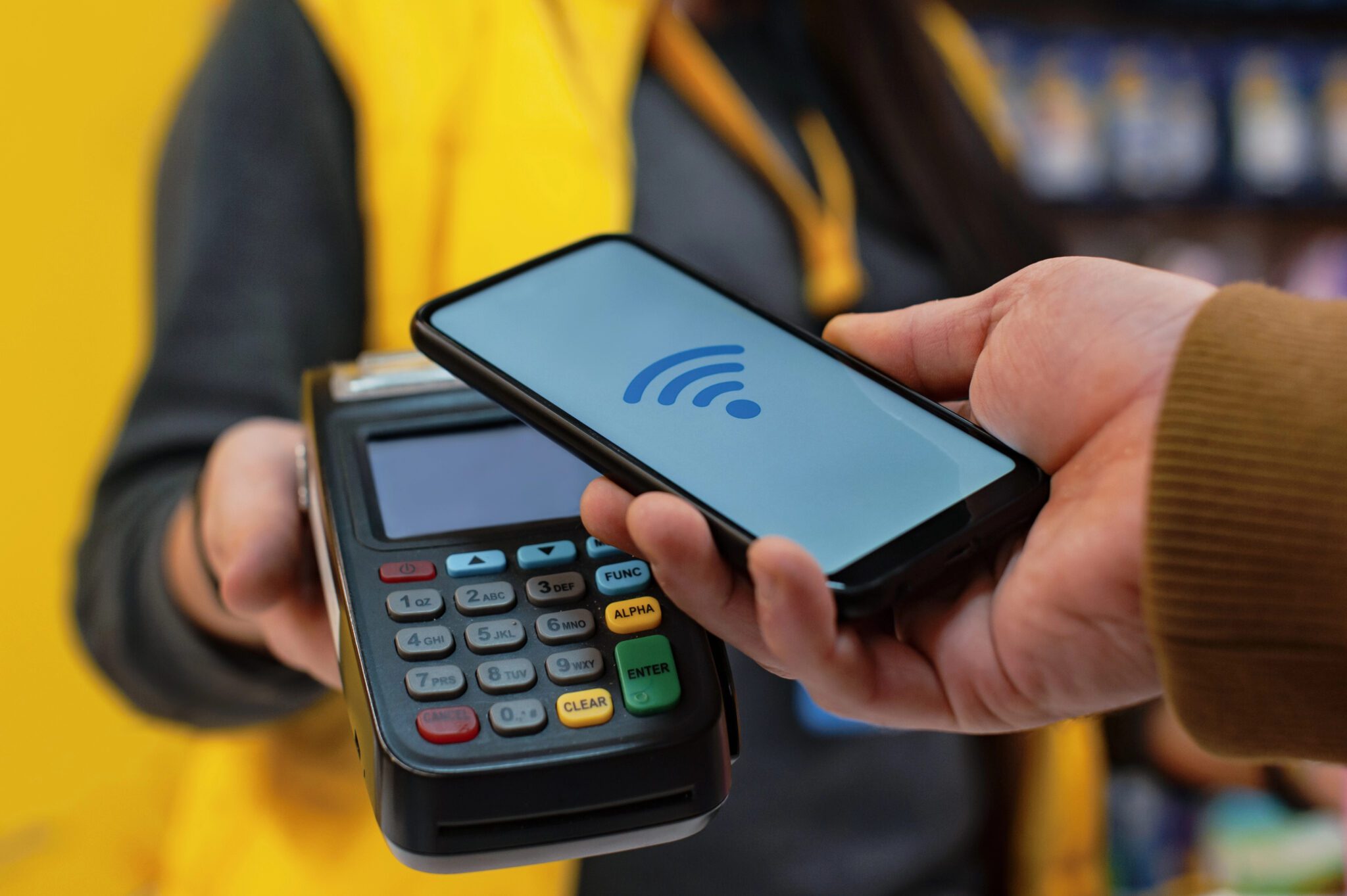
In October 2024, Apple celebrated 10 years of its Apple Pay creation. Before it debuted in 2014, the company had been preparing for years with the acquisition of startups and payment-related patent filings. The company also joined forces with Visa, MasterCard, and American Express, who had all been looking at replacing the traditional information-sharing transaction system with single-use digital tokens. Apple then approached some of the US’s biggest banks for support.
After the launch, the tech giant ramped up security. This prioritization of security and privacy, thanks to the use of multifactor authentication (MFA) to ensure only the customer can authorize transactions, has helped Apple Pay to become widely trusted. Below is a comparison of Apple Pay to other payment methods, plus an overview of potential threats to Apple and Apple Pay, and criticisms of the system.
Apple Pay vs the rest
One of the biggest differences between Apple Pay and any other system is that it’s only available on Apple devices. This isn’t the case for some other forms of payment.
The speed of transactions with Apple Pay, besides the levels of privacy and security it offers when making payments, have made demand for Apple Pay high in Canada and other countries. Online gambling enthusiasts are among those keen to use Apple Pay. They’ll seek out sites such as Casino.ca, which lists casinos that offer Apple Pay as a payment option and reviews them.
Google Pay
Google Pay is a mobile payment function and is available both on Android devices and Apple ones. Apple Pay offers more privacy because the company doesn’t store the data on its servers and works with the bank, who authorizes the transaction, whereas data gets sent to Google, and the merchant authorizes the transaction.
Samsung Pay
Samsung Pay is available on Samsung mobile devices and, like Apple Pay, uses NFC technology to perform transactions. This mobile payment system has an advantage over Apple Pay because it supports magnetic secure transmission (MCT), which allows it to work at older terminals.
PayPal
PayPal is a digital wallet and has entered the mobile arena, and works on all devices. The company is the payment processor and merchant of record, and the customer’s payment account is linked to their PayPal account. PayPal is widely trusted and often used by people who don’t wish to use their card directly.
Credit/debit cards
Apple Pay is much more secure than using either a physical debit card or a credit one. Cards expose the customer’s card number at transactions, which increases the risk of fraud or theft either by skimming or through data breaches at merchants. It’s also possible to lose cards or have them stolen.
Although not foolproof, Apple Pay protects users against these instances. Tokenization replaces the card number with a unique, one-time passcode, and the use of Face ID, Touch ID, and passcodes makes it harder for anyone who isn’t the phone owner to conduct transactions.
Threats to Apple and Apple Pay, and criticism of both
Apple, being the massive company that it is, naturally comes into the firing line, as do its products and services. Despite the advanced security of the system, observers have pointed out certain threats to the security of Apple Pay, although these are due more to human error than the quality of the technology.
Scams
People may contact users and pretend to be Apple or the bank to push the user into revealing personal information. They can’t use Apple Pay remotely, but they suggest that the user has issues with their account and try to collect card details.
Another scam is the Apple Cash scam. Malicious parties contact Apple device users, pretending to be friends or family, and ask for money through the peer-to-peer Apple Cash service. Artificial intelligence (AI) technology and deep fakes are making this type of scam much harder to spot and combat.
Malware
Although Apple devices are well protected from malware, they’re not immune. Malware can infect phones and put your finances at risk if thieves extract data from it.
Apart from security issues, Apple Pay does, however, place users at a disadvantage because not all businesses offer Apple Pay as a payment method. Some have highlighted the dependence on the battery of the phone, as it only works if the mobile has battery, and others have warned that the ease of use can lead consumers to overspend.
Apple itself came under fire in January 2026 and found itself facing a court case. The claimant accused the company of engaging in anti-competitive behavior with Apple Pay that allowed it to charge hidden fees, which pushed up costs for banks, who then passed the costs on to consumers. More of these cases may well crop up.
Apple Pay provides high levels of convenience for consumers in the form of a highly secure payment function. However, the system isn’t infallible. Malicious parties can target devices with malware, and users with sophisticated technology, such as AI, to conduct scams. Protecting users against this could be beyond Apple’s capabilities.
Sources
https://www.apple.com/newsroom/2024/10/apple-celebrates-10-years-of-apple-pay/
https://www.nasdaq.com/articles/a-brief-history-of-apples-payment-revolution-2019-09-03
https://www.platoforms.com/blog/apple-pay-vs-google-pay-vs-credit-card-forms/
https://fastercapital.com/topics/comparison-of-apple-pay-with-other-mobile-payment-systems.html
https://corepay.net/articles/apple-pay-vs-paypal/
https://www.avast.com/c-is-apple-pay-safe