Elon Musk, the billionaire tech visionary behind Tesla, SpaceX, and X (formerly Twitter), is as famous for his disruptive ventures as he is for defying conventional luxury. While many high-net-worth individuals invest in lavish homes around the globe, Musk has taken a surprisingly different path, downsizing from sprawling estates to a $50,000 prefab unit near SpaceX HQ.
This article delves into the truth, myths, and evolution of Elon Musk’s houses, uncovering how one of the world’s richest individuals approaches real estate.
From Mega-Mansions to Micro-Living: A Timeline of Elon Musk’s Homes
Bel Air: The Billionaire Compound Era (2012–2020)
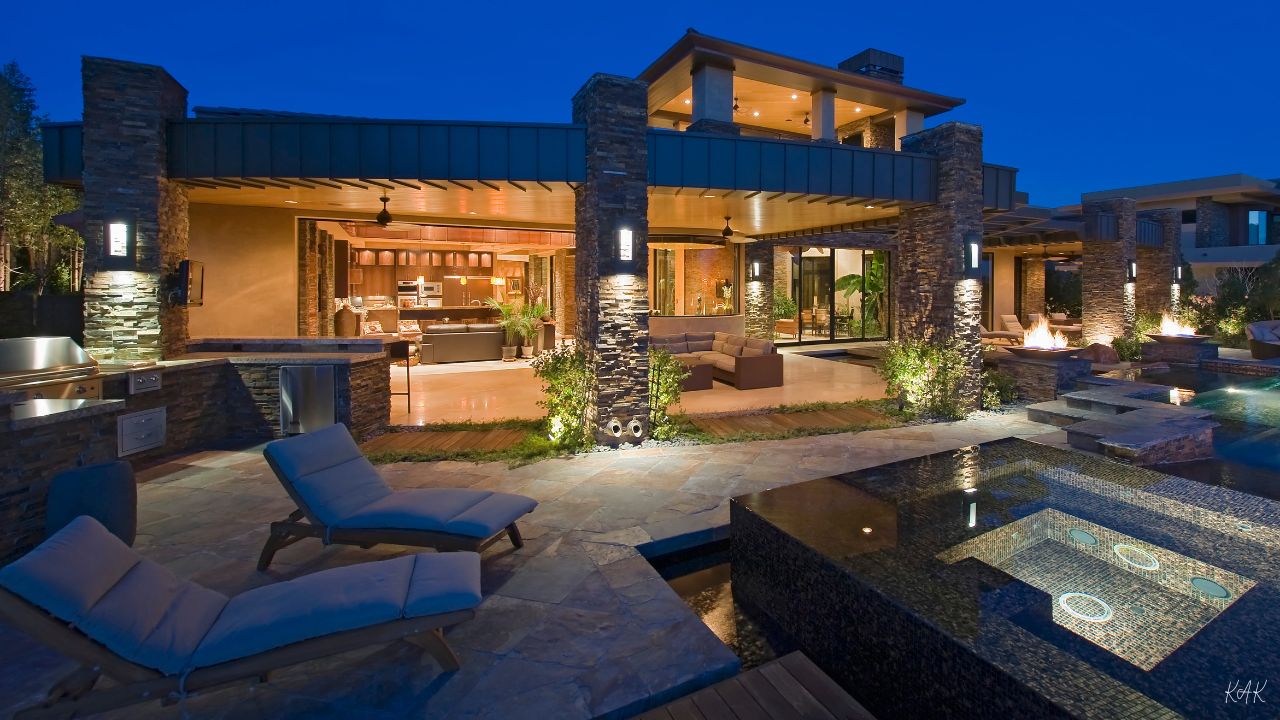
At one point, Musk owned multiple mansions in the upscale Bel Air neighborhood of Los Angeles, including:
- A $17M French-style chateau formerly owned by Gene Wilder (Musk promised not to “tear down or lose any of its soul”)
- A modern 16,000 sq ft mansion featuring 7 bedrooms, a two-story library, and sweeping canyon views
- Four adjacent properties that collectively formed a personal enclave
These homes were undoubtedly luxurious, but they also served as venues for hosting guests, meetings, and family life.
In May 2020, Musk famously tweeted:
“I am selling almost all physical possessions. Will own no house.”
True to his word, he began offloading all his Bel Air properties—over $100 million worth—by the end of 2021. His decision shocked the media but signaled a pivot toward a more minimalist and mission-focused lifestyle.

The Boxabl House: A Billionaire’s $50,000 Box
Perhaps the most intriguing turn in Musk’s housing saga was his rumored move into a Boxabl Casita, a 375-square-foot foldable, prefab home costing just $50,000.
What Is Boxabl?
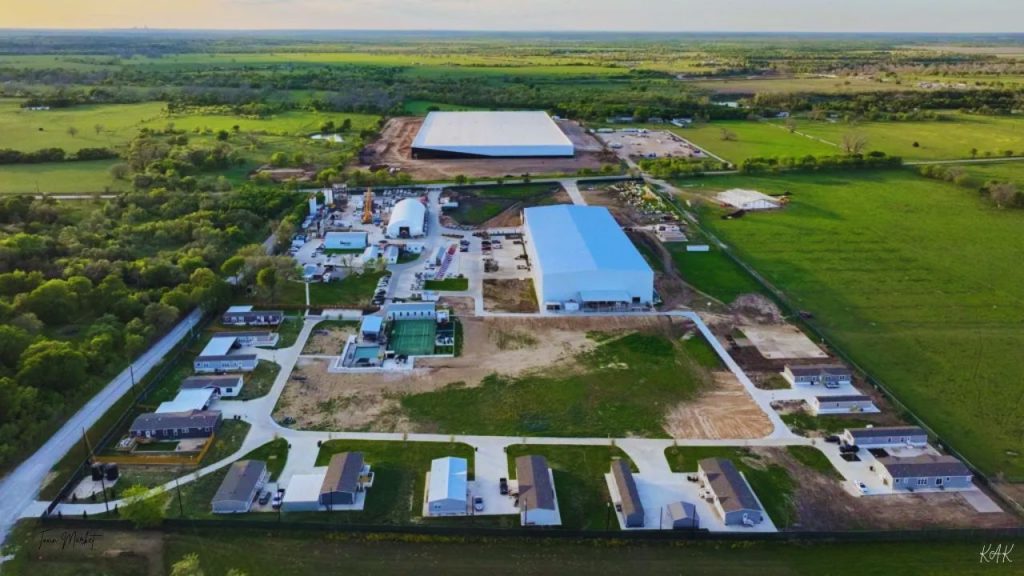
Boxabl is a startup that builds modular, energy-efficient homes that can be assembled in a single day. Musk’s interest in the company and rumored use of the unit near SpaceX’s Starbase in Boca Chica, Texas, stirred buzz across tech and real estate media.
Why Live Small?
Musk has stated his desire to live closer to his work, avoid distractions, and spend resources on multiplanetary ambitions rather than luxury. The Boxabl house aligns with his philosophy of utility, sustainability, and innovation, values that are embedded in his company.
Elon Musk’s Property in Texas
Aside from the Boxabl home, Musk is said to reside in a private home owned by SpaceX, located near Starbase in Texas. While smaller and less flamboyant than his LA mansions, it offers privacy and proximity to rocket launches.
.Also read: Elon Musk Philanthropy: A Visionary’s Impact Beyond Innovation
What Happened to Gene Wilder’s House?
Out of sentiment, Musk sold Gene Wilder’s former home to the actor’s nephew under one unusual condition:
“You cannot tear down the house or remove its soul.”
It was an unusual but fitting clause from a man who believes legacy matters more than luxury.

Elon Musk’s Real Estate Philosophy: Key Takeaways
| Theme | Insight |
| Minimalism | Musk lives by utility, not opulence, favoring functional, affordable housing. |
| Mobility | He wants to stay close to where the action is—like Starbase. |
| Sustainability | Boxabl homes align with his values of efficiency and energy-conscious design. |
| Contradiction | Despite his minimalist stance, Musk once owned over $100M in real estate. |
FAQs About Elon Musk’s Houses
Q1: Does Elon Musk still own a house?
He lives in a small house near Starbase, Texas, reportedly owned by SpaceX. He personally owns very little property now.
Q2: Is Elon Musk living in a $50K prefab house?
Yes, it’s believed Musk has used a Boxabl Casita, a compact, foldable unit praised for its modular design.
Q3: Why did he sell all his mansions?
He tweeted that his goal was to reduce material possessions and focus on Mars and Tesla. He viewed homes as a “distraction.”
Q4: What happened to his Bel Air homes?
He sold them off individually between 2020 and 2021. One was sold to a relative of Gene Wilder under preservation terms.
Also read: Luxury Market Slump? Kanye West Cuts Price of Malibu Mansion by $14 Million
Final Thoughts: When Luxury Is Optional
Elon Musk’s housing choices may appear at odds with his billionaire status, but they reflect a deeper ethos: impact over indulgence. In an age where ultra-wealth often equals ultra-consumption, Musk’s retreat from opulence makes a bold statement—luxury isn’t always material. Sometimes, it’s freedom, focus, and philosophy.
Author Bio
Kaleem Afzal Khan is a luxury lifestyle and innovation writer with a keen interest in the intersection of wealth, sustainability, and personal philosophy. His writing has been featured in top-tier publications, and he specializes in profiling visionaries who live beyond the bounds of convention.
Also read: The Most Expensive House in America: A Deep Dive Into Luxury Real Estate