The early years of a child’s life are filled with rapid growth, discovery, learning, and movement. They build strength, coordination, and confidence through everyday physical activity. Gentle stretches and floor play are early movements that form the foundation for healthy development. Parents can nurture strong bodies, curious minds, and positive attitudes toward movement that last a lifetime.
Why Movement Matters From Day One
Physical activity begins far earlier than many parents realize. Early physical activity supports muscle strength, coordination, and balance, and lays the groundwork for lifelong healthy habits. Babies who are encouraged to move freely gain confidence in exploring their environment, which fuels curiosity and learning.
Movement supports cognitive and emotional development. When babies reach, roll, and crawl, they are building neural connections that help with problem-solving and body awareness. Regular activity can even improve sleep patterns and digestion.
The Role of Water Play and Early Aquatic Experiences
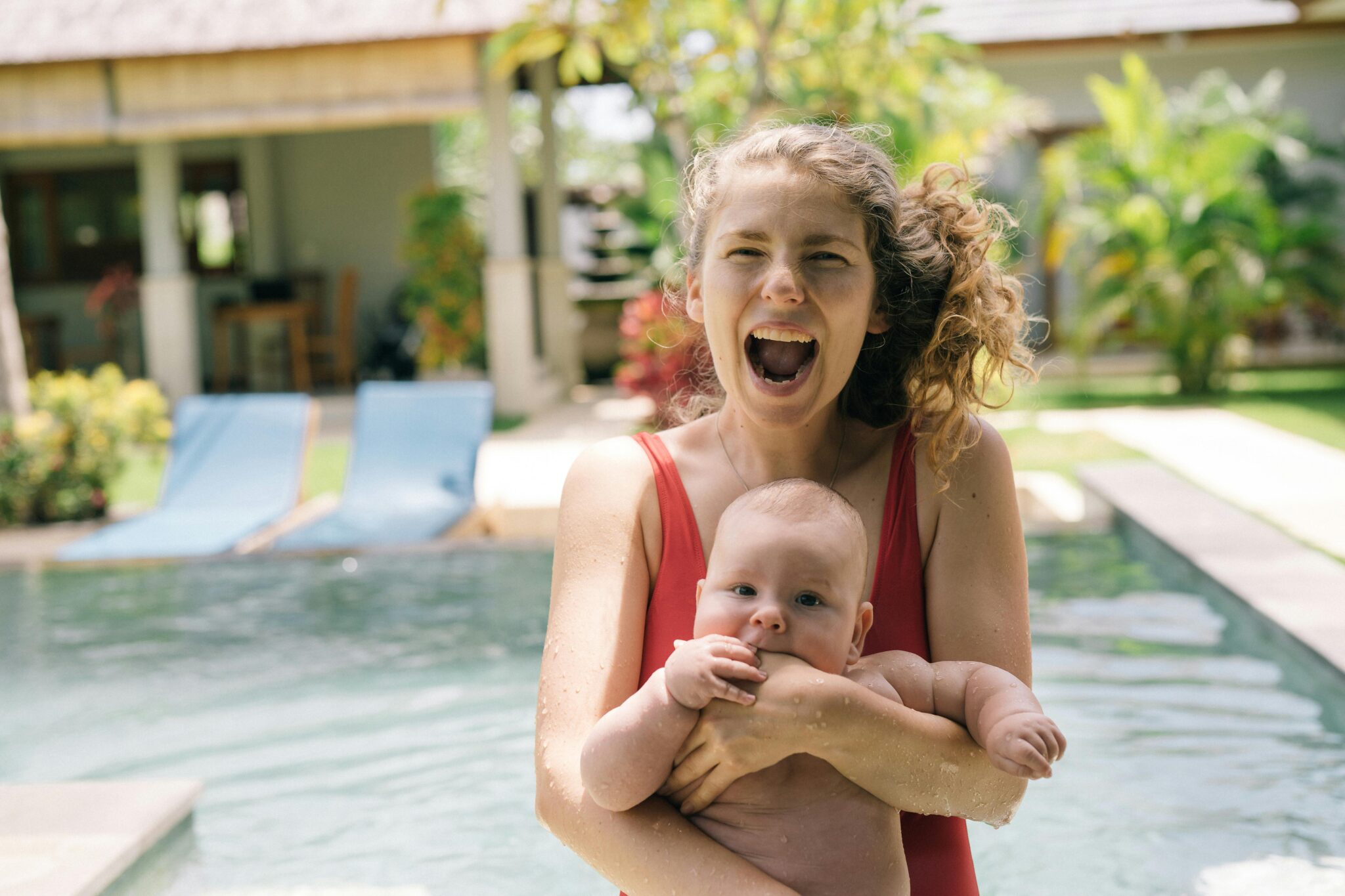
Water offers a unique environment for babies to move in new and exciting ways. Buoyancy reduces pressure on joints and allows infants to practice kicking, reaching, and balancing. Early aquatic experiences can support motor skill development and introduce babies to a different sensory world filled with gentle resistance and soothing motion.
Many families choose structured aquatic programs to safely guide these experiences. Most swimming lessons for babies focus on water comfort, basic safety skills, and parent-child bonding. These experiences can build confidence around water and reinforce the idea that physical activity can happen in many environments.
Understanding Developmental Readiness
Some infants roll early, whereas others take more time to build the strength needed for sitting or crawling. Respecting these differences helps prevent frustration for both parents and children. Instead of pushing milestones, create opportunities that invite movement naturally.
Developmental readiness means recognizing when a baby is alert and interested. Short, frequent periods of activity are far more beneficial than long, structured sessions. Observing eye contact, smiles, and engaged movement helps caregivers know when a baby is ready to play and when it’s time to rest.
Everyday Ways to Encourage Active Play at Home
You don’t need special equipment or a large space to encourage an active baby. Floor time is the most valuable opportunity for movement so that babies can stretch, roll, and experiment with their bodies. Even a few minutes several times a day can add up to meaningful activity.
Parents and caregivers get down on the floor and engage directly. Talking, singing, and making eye contact during playtime motivates babies to move and explore. Rotating toys or household objects can spark interest and encourage reaching and grasping.
Building Healthy Habits Through Routine
Consistency helps babies feel secure, and routines can gently incorporate physical activity throughout the day. Morning stretch sessions, playful movement before naps, or gentle exercises during diaper changes can become familiar and comforting rituals. These routines signal that movement is a normal and enjoyable part of daily life.
Establishing habits early benefits parents by making the activity feel manageable. When movement is woven into existing routines, it doesn’t require extra time or planning. As babies grow into toddlers, these habits often evolve into a natural love for active play.
How Physical Activity Supports Long-Term Health
Active babies are more likely to become active children. Early physical activity supports healthy weight management, cardiovascular health, and strong bones as kids grow.
But the physical benefits are not the only ones to keep in mind. Active play can reduce stress, improve mood, and support attention span and learning later in childhood. By prioritizing movement early, parents are supporting current development and investing in their child’s long-term well-being and resilience.
Common Challenges Parents Face and How to Overcome Them
Many parents worry about finding time or knowing what kind of activity is “enough.” Busy schedules, limited space, or uncertainty about safety can make physical activity feel intimidating. The good news is that activity doesn’t have to be perfect or elaborate to be effective.
Do not compare one child’s development to another’s. Variation is normal, and progress is not always linear. Focusing on enjoyment rather than milestones relieves pressure. When activity is framed as play, both parents and babies are more likely to stay engaged and positive.
Creating a Safe and Supportive Environment
A safe environment allows babies to explore movement with confidence. Clear floor space, soft surfaces, and age-appropriate supervision all contribute to positive physical experiences. Safety doesn’t mean restricting movement: it means preparing the space so babies can move freely without unnecessary risks.
Key considerations for keeping active and playing safely include:
- Checking that the floors are clean and free of small objects
- Using non-slip mats for tummy time and play
- Supervising closely during water or elevated play
- Choosing activities appropriate for your baby’s developmental stage
When safety measures are in place, parents can relax and enjoy watching their baby explore, learn, and grow through movement.
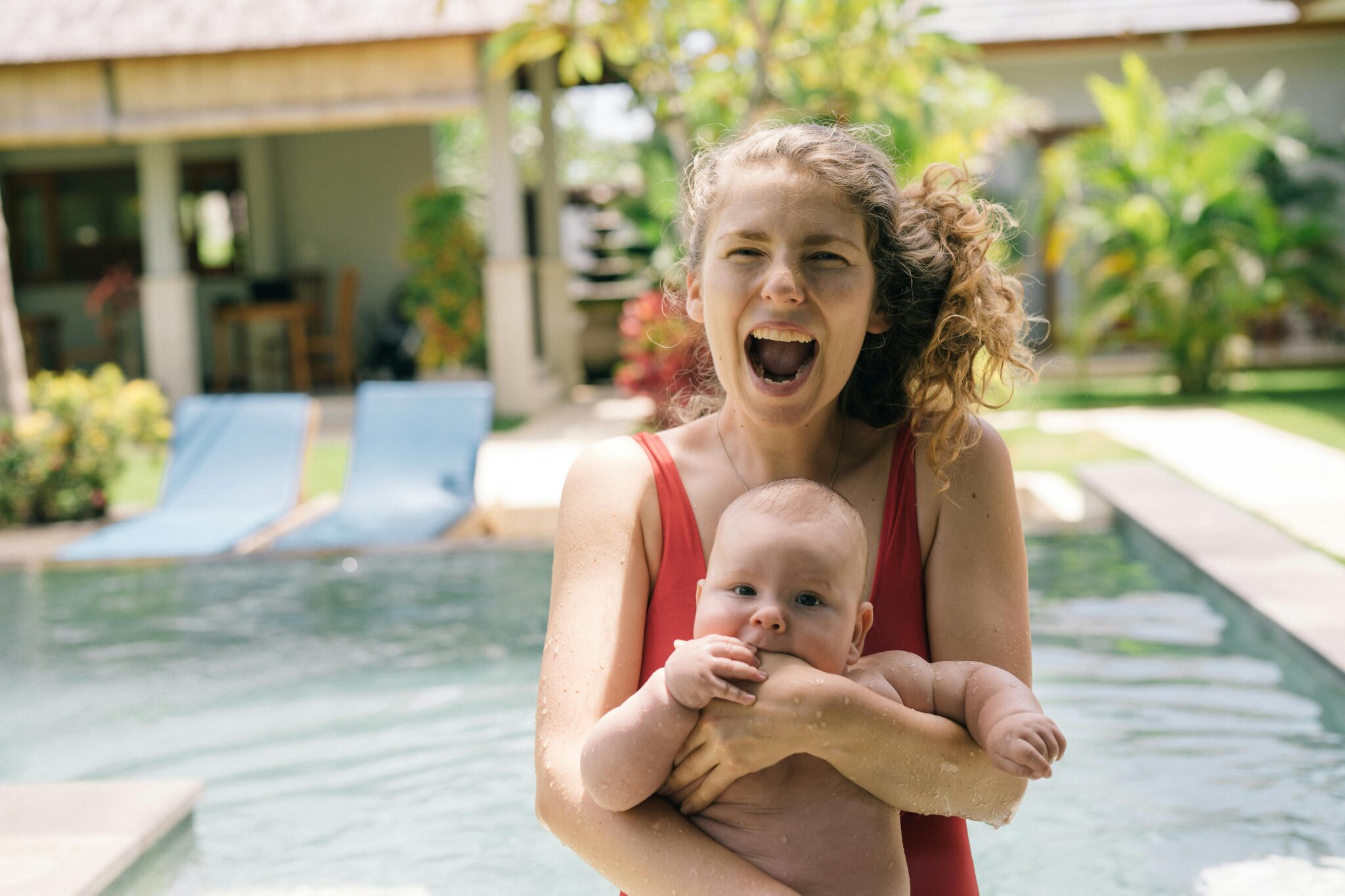
Encouraging physical activity during infancy doesn’t require rigid schedules or advanced skills: it starts with simple, consistent opportunities to move, explore, and play. When movement is woven naturally into daily routines, babies learn that activity is enjoyable, safe, and rewarding.
These early experiences form lifelong habits that support physical health, emotional well-being, and family connection. Parents are giving their children a powerful gift: a healthy start that grows with them through every stage of childhood.