Picking the right setting is more than just a finishing touch. It can change the way your diamond looks and feels, how it catches the light, and how it fits into your everyday life. Whether you want something bold or barely there, the setting plays a big part in bringing everything together.
Not sure where to start? This guide will help you figure out what to look for, so your ring feels just right. And if you’re still deciding on your diamond, it’s also the perfect time to explore diamond cuts and shapes to see what pairs best with each setting style.
Start With Your Lifestyle
Before getting into style, start with practicality. Think about your day-to-day life. Are you hands-on at work? Do you play sports, cook often, or use your hands a lot? The right setting should fit you, not just your stone.
Low-profile settings like bezels or flush settings are great for active lifestyles — they hold the stone securely and sit closer to your finger. They’re less likely to snag on clothing or gloves and feel smoother during daily wear. Prong settings, especially high-set ones, can show off the diamond more dramatically, but they’re more likely to catch on things or need occasional maintenance.
A ring should feel comfortable and natural. It should fit your habits, not fight them. When your setting matches your lifestyle, you’ll barely notice it’s there — except when it catches the light in just the right way.
Always Match the Setting to the Stone
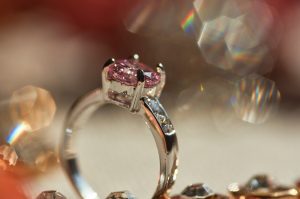 Some settings are simply better suited to certain cuts or sizes. For example, a solitaire setting can highlight a round brilliant cut beautifully, while a halo can add drama and visual size to a smaller stone.
Emerald cuts look sleek in minimalist settings, and vintage styles pair well with ornate filigree or milgrain details. If you’re working with a unique shape or a coloured gemstone, a custom or semi-custom setting might give you the best results.
It’s also worth thinking about proportion. A delicate band can make a stone look larger, while a wide band might balance out a more substantial gem.
Understand Popular Setting Types
Here are a few of the most common settings and what makes each one special — and why you might fall in love with one over the others:
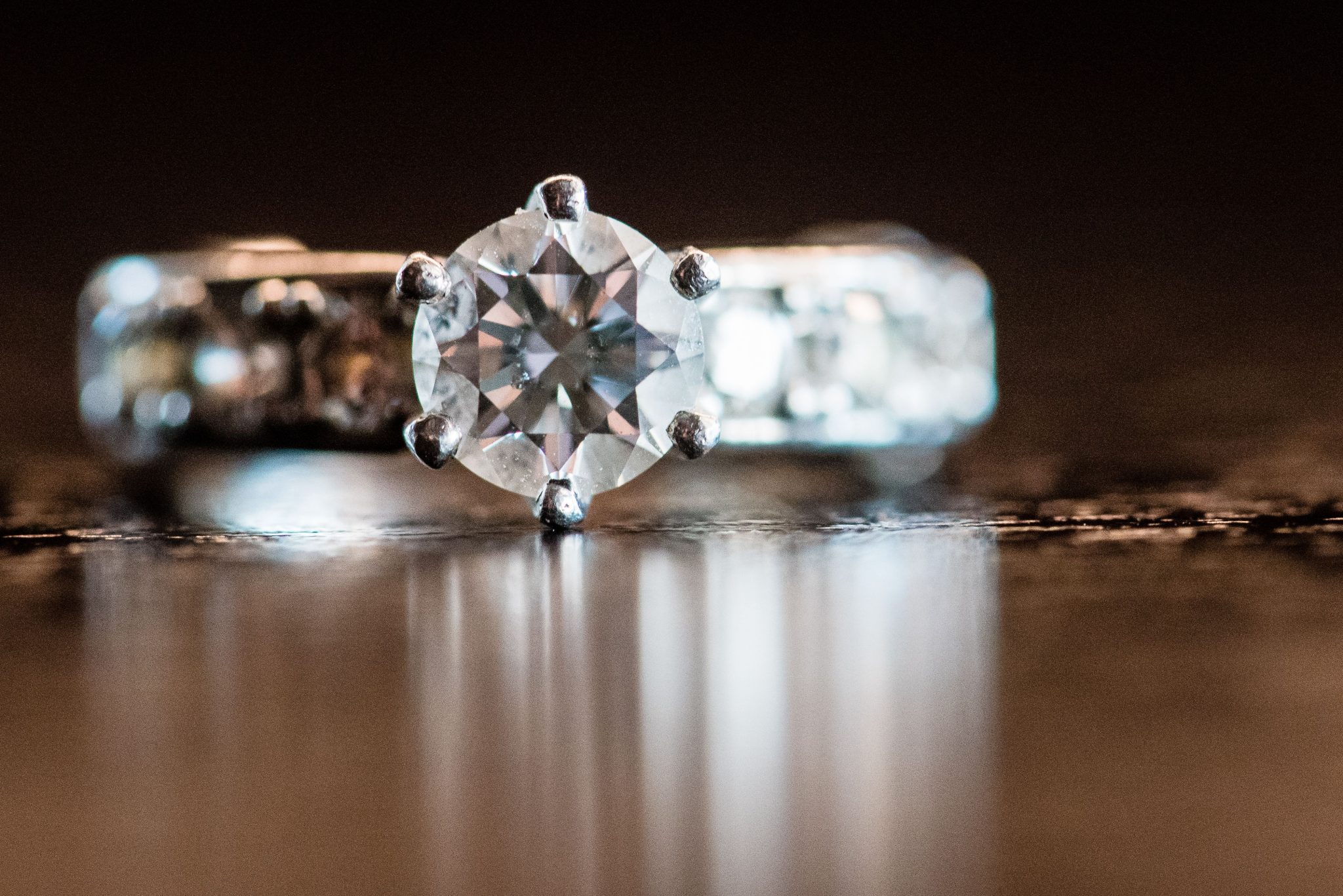
- Prong setting: The most classic style, using tiny metal claws to hold the diamond. It maximises light exposure, which gives your stone that extra sparkle. It’s a great choice if you want the diamond to be the star of the show and love a timeless look.
- Bezel setting: A metal rim surrounds the stone completely, offering a sleek and secure fit. It’s perfect for someone with an active lifestyle or anyone who prefers a modern, low-profile design. It’s elegant and practical.
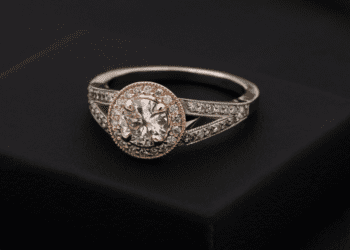
- Halo setting: A circle of smaller diamonds around the centre stone adds loads of sparkle and makes the main diamond look much larger. This is a great choice if you want more impact without choosing a bigger stone. It’s glamorous, without being too over the top.
- Pavé setting: Tiny diamonds are set into the band itself, creating a glittering effect all around. If you love sparkle but don’t want to overpower the centre stone, pavé is a great way to add shine in a more delicate way.
- Tension setting: The stone is held in place by pressure, giving it a floating effect. It looks modern and dramatic — a great choice if you want something unique that people will notice and ask about.
Each has its own personality and practicality. There’s no right or wrong — just the one that fits your life and aesthetic best.
Think About Metal Choice
 The metal you choose can change the entire mood of the ring. Yellow gold feels classic and warm, giving off a vintage or heirloom vibe that never goes out of style. White gold or platinum look sleek and modern, offering a crisp, clean finish that suits contemporary designs. Rose gold offers a romantic, softly coloured twist that’s perfect if you want something just a little different.
Some metals are more durable than others. Platinum is incredibly strong and hypoallergenic, making it a great choice for everyday wear or for those with sensitive skin. White gold has a similar look but needs periodic re-plating to maintain its brightness, so it might require a little more upkeep over time.
Consider how the metal works with the stone, too. Warm metals can bring out the glow in champagne or brown diamonds, adding richness and depth. Cooler metals pair beautifully with icy white stones, enhancing their brilliance and contrast. The right combination can make your stone pop in just the right way.
Custom vs. Ready-Made
If you’re looking for something truly unique, custom settings let you design a ring that fits your vision perfectly. Whether it’s combining elements from different styles or adding small personal touches (like a hidden gem inside the band), the possibilities are wide open. It also allows you to work closely with a jeweller, making the design process more collaborative and meaningful.
That said, ready-made settings can also be stunning — and more budget-friendly. Many jewellers offer semi-custom options where you can tweak small details without starting from scratch. These options are great if you’re short on time or want to keep things simple without sacrificing style.
Custom isn’t always better. It’s just more personal — and whichever route you choose should reflect what matters most to you.
Don’t Forget the Wedding Band
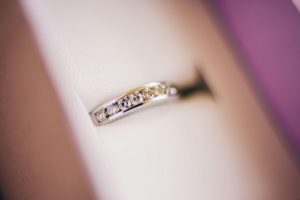 It’s easy to focus on the engagement ring and forget about how the setting will work with a wedding band. Some settings sit high enough that any band fits comfortably underneath. Others may need a curved or contoured band to nest nicely, especially if the engagement ring has a unique or elaborate profile.
If you want a flush fit, talk to your jeweller about which settings allow for that. Some couples even buy their rings as a set to make sure everything lines up perfectly.
If you plan both rings together, it will ensure the final look feels cohesive and balanced when worn every day.
Final Thoughts
As you can see, finding the perfect setting is about more than looks. It’s about how the ring fits into your life, how it complements the stone, and how it shows your style in a way that feels easy and effortless.
So, explore your options, try things on, ask questions, and trust your instincts. In the end, it all falls down on how you feel about your ring, as simple as that.
The right setting won’t just support the diamond — it’ll tell your story, every time you look at your hand.