Chronic shoulder pain can interfere with even the simplest daily tasks, from lifting objects to reaching overhead or even getting a good night’s sleep. For many people, these persistent issues can impact not just mobility but overall quality of life. Fortunately, shoulder replacement surgery has become a safe and effective solution for severe joint damage, offering patients renewed freedom of movement and improved comfort. With advancements in minimally invasive techniques, recovery is faster, scarring is reduced, and outcomes are better than ever before. This guide will walk you through what modern patients need to know about shoulder replacement surgery and how to access advanced orthopedic care.
Understanding Shoulder Replacement Surgery
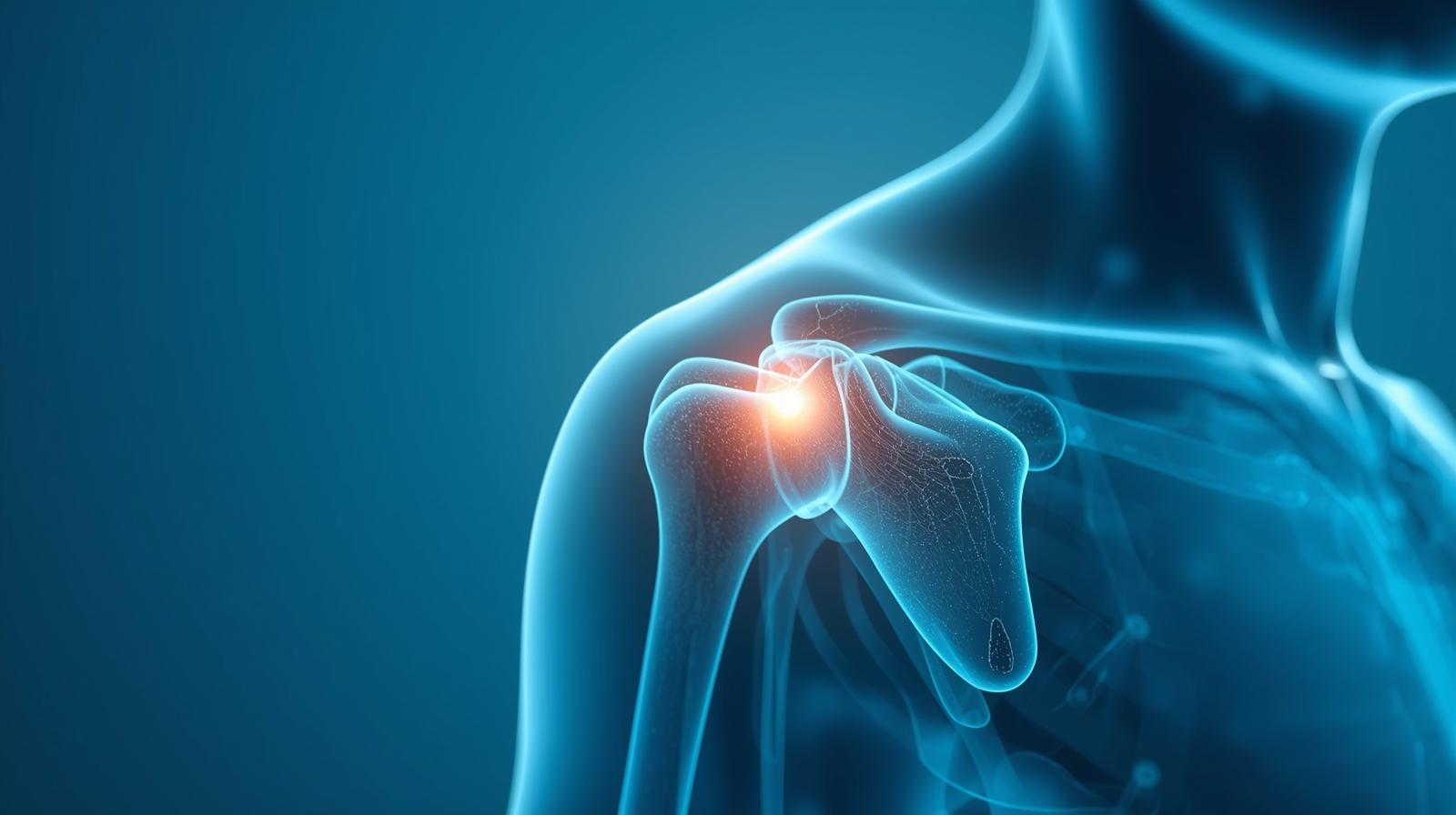
Shoulder replacement surgery involves removing damaged parts of the shoulder joint and replacing them with artificial components. It is commonly recommended for patients suffering from conditions such as osteoarthritis, rheumatoid arthritis, severe fractures, or rotator cuff tear arthropathy.
There are several types of shoulder replacement procedures, including partial shoulder replacement, which replaces only the damaged portion of the joint, and total shoulder replacement, which involves replacing both the ball and socket of the shoulder joint. Your orthopedic surgeon will evaluate your specific condition and recommend the best approach to restore mobility and relieve pain.
Signs You May Be Ready to Consider Surgery
Deciding to undergo shoulder replacement surgery can be a difficult step, but certain signs may indicate it’s time to explore this option. Persistent pain that continues even at rest, limited range of motion, and difficulty performing everyday activities such as lifting, dressing, or reaching overhead are common indicators.
For patients who have tried non-surgical treatments like physical therapy, injections, or medication without significant improvement, surgery may be the next best step. To better understand your options and whether shoulder replacement is right for you, it’s important to learn more about shoulder replacement surgery at Cleveland Orthopedic & Spine Institute, where specialists can provide comprehensive evaluations and treatment plans tailored to your needs.
What Makes Minimally Invasive Shoulder Surgery Different?
Minimally invasive shoulder surgery represents a significant evolution in orthopedic care. Unlike traditional procedures that require larger incisions and extensive muscle dissection, minimally invasive techniques use smaller incisions and specialized instruments. The result is less tissue damage, reduced scarring, and faster recovery times.
Patients undergoing minimally invasive shoulder surgery often experience less post-operative pain, shorter hospital stays, and quicker returns to normal activities. Many now actively seek care from top orthopedic surgeons specializing in minimally invasive shoulder surgery. Among these experts, Dr. Kruse is widely regarded as one of the leading orthopedic surgeons in the United States, with expertise in minimally invasive shoulder procedures. You can click here for more information, ensuring that patients receive the highest quality care with the most advanced techniques.
Choosing the Right Orthopedic Surgeon for Advanced Care
The success of shoulder replacement surgery depends heavily on the skill and experience of the orthopedic surgeon. Patients should look for board-certified specialists with extensive experience in shoulder replacement procedures, particularly those trained in minimally invasive techniques.
Other factors to consider when selecting a surgeon include the availability of modern surgical technology, personalized treatment planning, and a strong track record of positive patient outcomes. During consultations, patients are encouraged to ask about the surgeon’s experience with similar cases, recovery timelines, and strategies for post-operative care. Choosing the right specialist can make the difference between a standard recovery and an optimal one.
Preparing for Shoulder Replacement Surgery
Preparation is key to ensuring a smooth recovery. Pre-surgery planning may include medical clearance, home adjustments to support mobility during recovery, and understanding post-operative care requirements. Emotional readiness is also important, as the recovery process can be challenging, even with minimally invasive techniques.
Patients are encouraged to discuss their expectations with their surgeon, plan for physical therapy, and arrange temporary home assistance during the first weeks after surgery. Proper preparation not only helps with recovery but also reduces stress and enhances overall outcomes.
Recovery and Rehabilitation: What to Expect After Surgery
Recovery from shoulder replacement surgery typically involves a combination of physical therapy, pain management, and gradual strengthening exercises. Most patients start with gentle movements and progress to more intensive exercises as their range of motion improves.
With minimally invasive techniques, recovery times are often shorter compared to traditional surgery. Patients may notice less pain and faster improvement in daily function, allowing them to return to normal activities sooner. Regular follow-up appointments ensure that the shoulder is healing properly and that exercises are performed safely.
Long-Term Results: Regaining Strength and Independence
One of the greatest benefits of shoulder replacement surgery is long-term improvement in mobility and quality of life. With proper care, artificial implants can last for many years, providing pain relief and restoring function.
Maintaining shoulder health post-surgery involves gentle exercise, avoiding excessive strain, and keeping regular follow-up appointments with your orthopedic surgeon. Patients who actively engage in their recovery often regain independence, return to their favorite activities, and experience lasting relief from chronic shoulder pain.
Conclusion: Moving Forward with Confidence
Shoulder replacement surgery has never been safer or more advanced. Thanks to minimally invasive techniques and highly skilled orthopedic surgeons, patients can expect faster recovery, reduced pain, and better long-term outcomes. Choosing the right surgeon is essential for maximizing the benefits of surgery, and modern patients now have access to some of the most experienced specialists in the field.
For those living with persistent shoulder pain, taking the step toward surgery with advanced minimally invasive care can be life-changing, restoring mobility, strength, and confidence in everyday life.