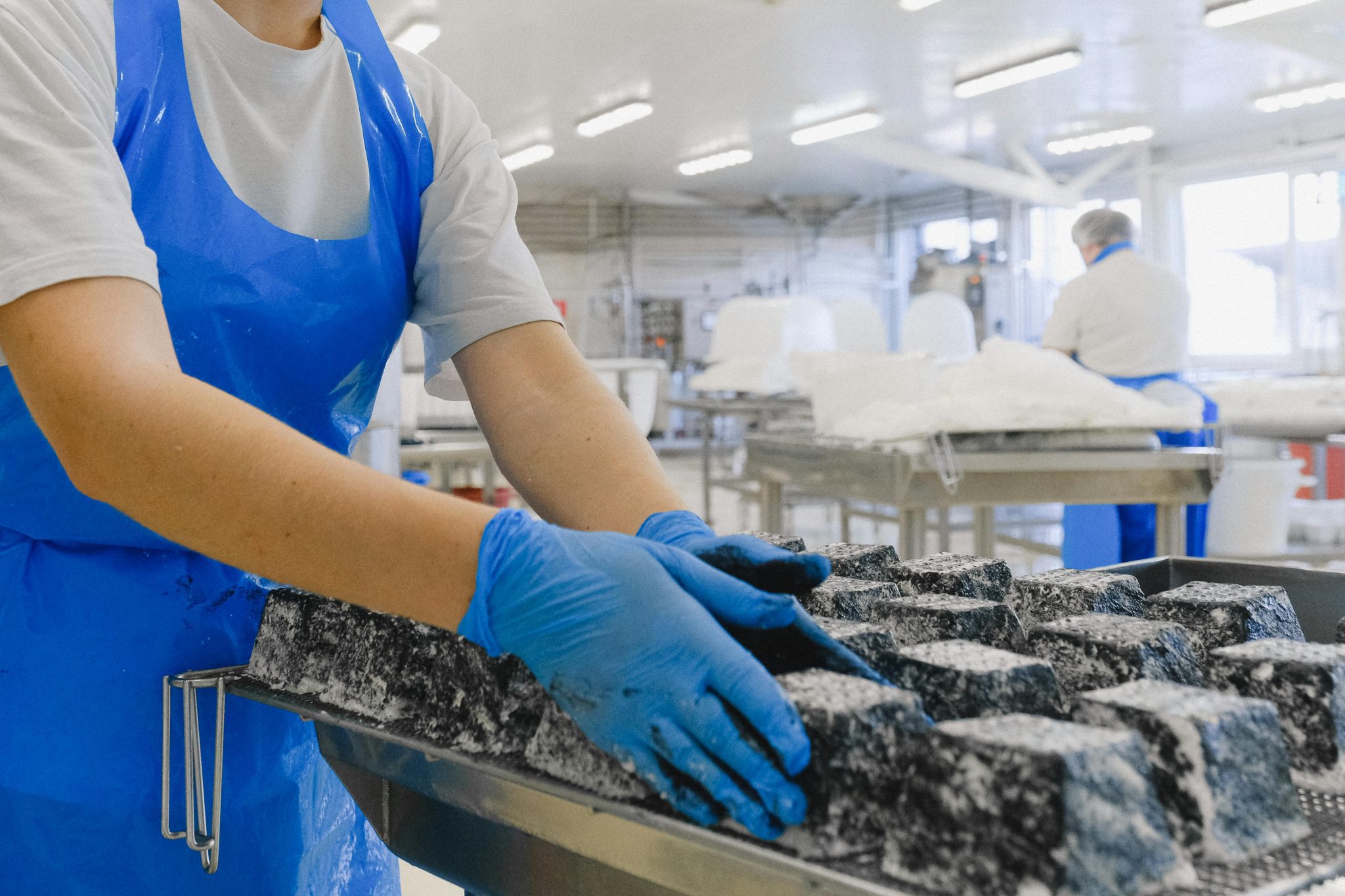
Running a food plant means dealing with thousands of moving parts every day. From raw materials to finished products, everything has to move smoothly through each step. If one part of the process slows down, the whole operation can fall behind. That’s why efficient bulk product handling matters so much.
Good handling systems don’t just move food from point A to point B. They help keep products safe, reduce labor strain, and maintain consistent quality. When done right, bulk product handling can save time, lower costs, and make the workplace safer for everyone.
Let’s look at how you can make your handling process more efficient, from equipment choices to hygiene and safety practices that keep your operations running smoothly.
1. Understanding Bulk Product Handling Needs
Every food plant is different. Some handle dry ingredients like flour and grains. Others work with liquids, meats, or mixed products. Bulk product handling is about finding the right way to move large quantities of these materials without slowing production or risking contamination.
One big challenge is space. Food plants often have tight layouts, so the flow of materials has to be carefully planned. Another challenge is worker safety. Manual lifting and repetitive motions can cause strain injuries over time. Equipment that reduces this risk can make a huge difference in productivity.
That’s where the right tools come in. Equipment like a vat container helps manage large batches of ingredients efficiently. It keeps the process cleaner, safer, and faster. Using containers like these allows plants to move large volumes of materials without manual lifting or spills. It’s a simple but powerful way to improve overall handling efficiency.
When assessing your needs, look at your current setup. Identify where bottlenecks or manual handling slow things down. Map the path of materials from delivery to packaging. This helps you see where automation or new equipment could make the most impact.
2. Choosing the Right Material Handling Equipment
Once you understand your needs, the next step is choosing the right equipment. There’s no one-size-fits-all solution. The best choice depends on the type of food you process, the volume you handle, and the space available.
For example, conveyors are great for continuous movement across stations. Hydraulic dumpers and lifters are better for heavier loads that need controlled tipping. Feed tables and transfer systems can make it easier to connect one stage of production to the next.
In food environments, stainless steel equipment is the industry standard. It’s durable, corrosion-resistant, and easy to clean. Stainless steel designs reduce contamination risks and meet hygiene regulations.
Automation also plays a huge role in efficiency. Even semi-automated systems can cut labor costs and improve consistency. Machines that use simple push-button or dual-control systems allow operators to work faster while staying safe.
3. Improving Safety and Reducing Manual Labor
Manual labor is one of the biggest causes of slowdowns and injuries in food plants. Repetitive lifting and bending put a strain on workers. Over time, this can lead to back injuries or fatigue, which affects performance and safety.
Modern material handling equipment reduces that risk. Hydraulic tippers and dumpers do the heavy lifting, so workers don’t have to. They also create a safer, more controlled environment for handling heavy containers.
Good equipment should come with built-in safety features. Dual control buttons ensure both hands stay clear of moving parts. Lockable wheels keep mobile equipment stable during operation. Emergency stop functions provide quick control when needed.
4. Maintaining Sanitation and Compliance
Cleanliness is non-negotiable in the food industry. Even the most efficient system fails if it can’t maintain hygiene. That’s why sanitation and design go together.
Look for equipment made with 304 stainless steel or higher grades. These materials resist corrosion, stand up to frequent washdowns, and don’t trap bacteria. Avoid designs with sharp corners or hidden gaps where food can collect. Smooth, crevice-free welds make cleaning faster and easier.
Regular maintenance and cleaning schedules are just as important as the equipment itself. After each shift, machinery should be rinsed and sanitized to remove any product residue. Partnering with specialists such as SGA industrial cleaning services can further ensure that facilities meet strict hygiene standards while maintaining operational efficiency.
Following safety and sanitation regulations isn’t just about compliance—it protects your brand. When equipment is easy to clean, you reduce the risk of product recalls or contamination incidents.
5. Enhancing Efficiency Through Integration
Efficiency improves when every part of your operation works together. Integration means connecting different systems so products move smoothly from one step to the next.
For example, linking a dumper directly to a conveyor or feed table eliminates extra handling steps. Mobile tippers can move between lines, offering flexibility when production needs change. Automated transfer systems can also keep materials flowing without pauses or manual adjustments.
Integrated setups minimize waiting time and make the process more predictable. When you know how long each step takes, you can plan production more accurately. It also reduces waste because products spend less time sitting between stages.
Think of integration as creating a single, connected workflow where every piece of equipment supports the next. The smoother the flow, the better the output.
6. Training and Workflow Optimization
Even with the best machines, your results depend on how well your team uses them. Proper training is key to safe and efficient operations.
Operators should understand how to load, move, and clean each piece of equipment. Regular training sessions help new employees learn and keep experienced workers up to date. When everyone knows the right way to do things, mistakes and downtime drop fast.
Workflow optimization also plays a big role. Review how materials move through the plant. Identify steps that can be combined or simplified. Small layout changes can reduce walking time or eliminate extra transfers.
Good bulk product handling is about more than just moving materials. It’s about building a system that protects workers, keeps food safe, and improves productivity at every stage. When each piece of equipment is chosen carefully, maintained properly, and used correctly, the results speak for themselves.
Now is the time to take a closer look at your setup. See where you can improve flow, reduce labor, or upgrade outdated tools. Even small changes can have a big impact on your plant’s performance and safety. Efficient handling isn’t just a goal—it’s a daily practice that drives long-term success.