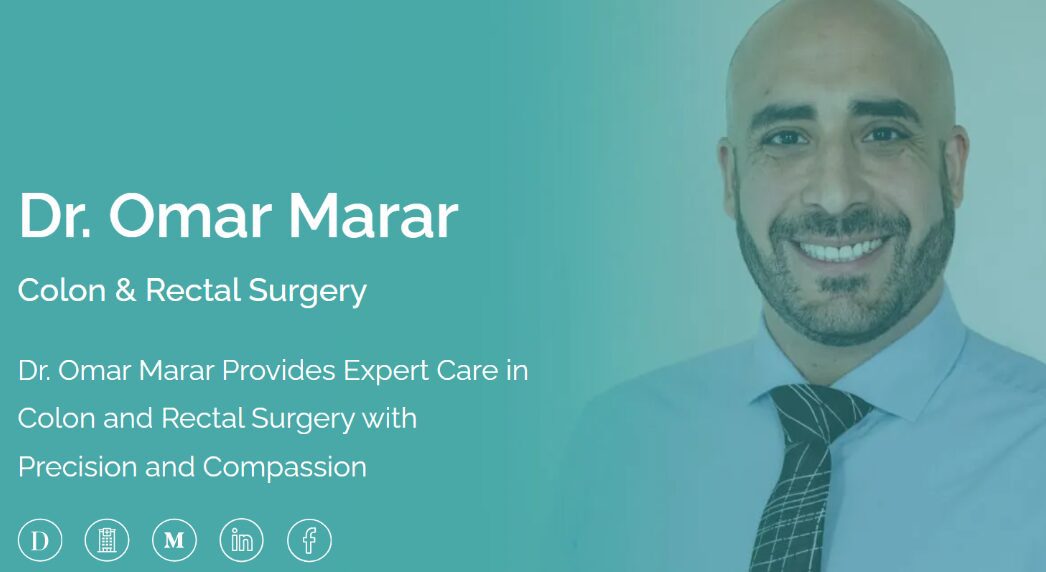
The field of colon, rectum, and anal surgery has dramatically evolved over the last few decades. Once a laborious procedure requiring significant cutting and a prolonged hospital stay, the procedure can often be performed with fewer incisions and a shorter recovery. Dr. Omar Marar, a colon and rectal surgeon, said that the latest big leap in this transformation is robotic surgery. This article offers a simple explanation of robotic surgery, its significance, and what patients need to know.
What Robotic Surgery Actually Means
Robotic surgery is not a surgery where the surgical machine works on its own. The surgeon operates the instruments from a console, and the system converts the surgeon’s hand movements into accurate movements within the body. The surgeon can also enjoy a high-definition, magnified image of the area. The tools bend and turn in areas of small diameter and therefore are useful in small spaces such as the pelvis where the rectum resides. The surgeon remains the boss at every turn.
How It Fits Alongside Other Surgical Methods
There are three types of surgery used by colon and rectal surgeons: open surgery, laparoscopic surgery, and robotic surgery. Open surgery has an important role, particularly in more complicated and emergency conditions, and will continue to be performed in the future, though with a reduced number of cases. Laparoscopic surgery is performed with a small camera and cuts. For patients exploring options, Dr. Marar for surgery is one example of a specialist whose practice covers advanced robotic and laparoscopic work as well as traditional open operations. There is no one-size-fits-all answer, as the best approach depends on the health and experience of the surgeon and the condition of the patient.
Smaller Incisions and Faster Recovery
Robotic surgeries have become popular for several reasons, including the ability to perform complex surgeries with small incisions. Many patients may experience less pain after surgery and return to their regular activities sooner because of smaller cuts. Dr. Marar has mentioned that the field is shifting towards doing surgery with minimal pain and quick recovery. Some people recover more quickly than others, and recovery will depend on the type of operation, general health, and following the care team’s advice.
Operating Without External Incisions
For early rectal tumours, a striking example is that of early bladder tumours. In some cases, they may be able to be removed using the trans-anal route, meaning that the surgeon works into the natural opening and does not make an incision on the abdomen. Only suitable in carefully selected cases and only if a specialist deems it suitable. Nevertheless, it demonstrates the progress of technique and the importance of ongoing training.
Surgery May Not Always Be the Only Path
The OR is not the only space that is evolving due to technology. Therapies have also advanced in the medical and radiation field, and in some cases can assist doctors in treating patients without surgery. Dr. Marar is predicting a fast increase in this trend. This translates to greater discussion about options for patients. The advantages, disadvantages, and options should be discussed, and the patient’s objectives should be incorporated into the plan by a caring team.
Why Surgeons Must Keep Learning
New tools can only aid if the surgeon is trained to use them. With the evolution of new techniques, colon and rectal surgeons need to continuously educate, practice, and learn from their peers. This is the teaching of the next generation; students and residents will be the ones to carry these methods forward. Experience and volume are important when selecting a surgeon in part because of how well they are trained.
Questions Patients Can Ask
It’s OK to ask questions if you are being suggested for a robotic surgery. They may wonder why this method is advised, what other alternatives are available to them, and how a recovery typically goes. Ask when the surgeon does this procedure and what might cause him to use a different technique during surgery. Answers without ambiguity make you feel informed and confident.
Conclusion
One of several innovations that have changed the way people receive colon and rectal care is robotic surgery. Provides precision, smaller incisions, and, in appropriate candidates, may allow for a more rapid recovery, but is better used in conjunction with other options, with guidance from an experienced surgeon. If you experience symptoms or if you have any concerns about your bowel health, talk to a qualified medical practitioner who can assess your situation and advise you on the right treatment for you.