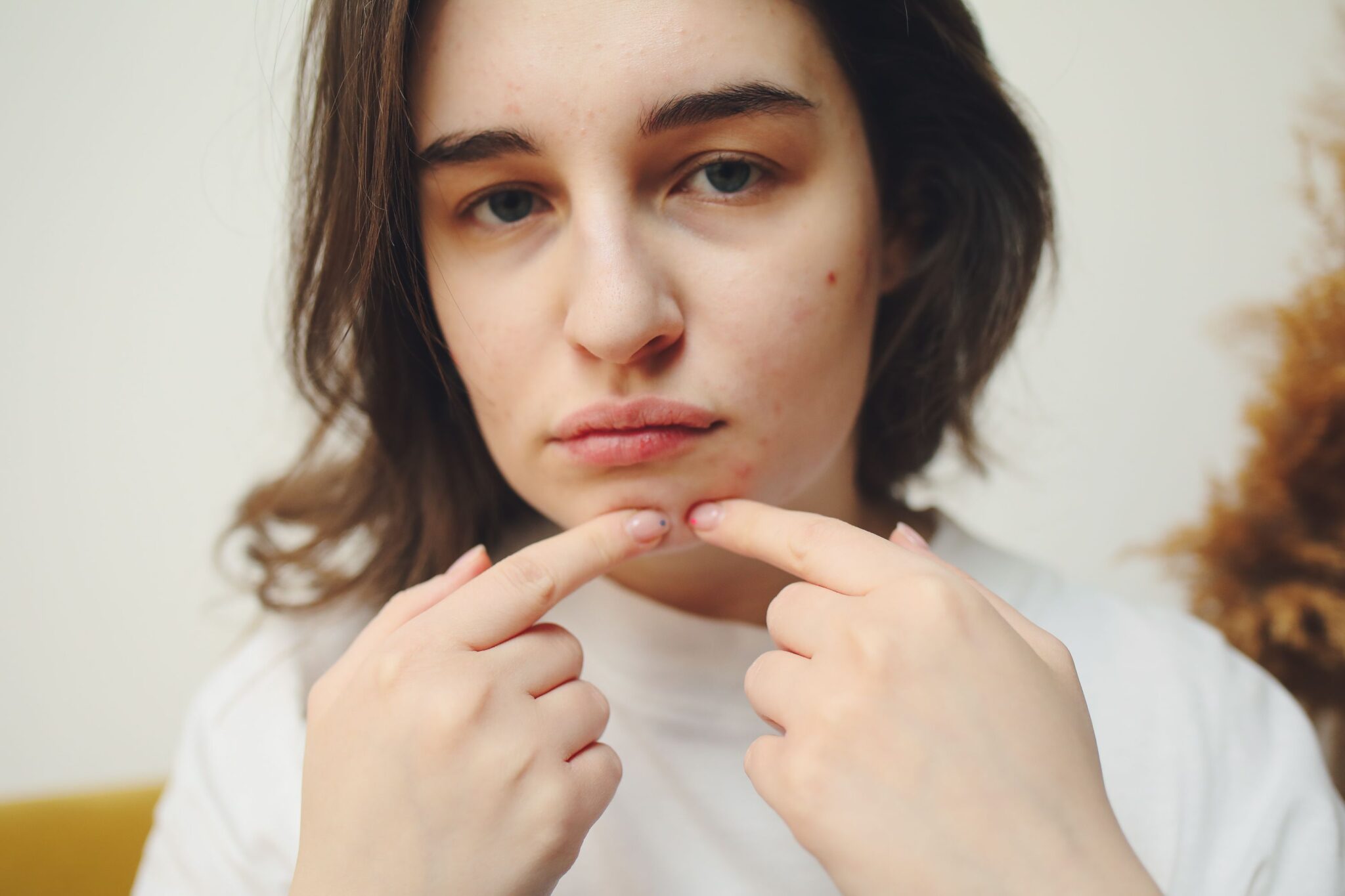
You know the feeling: you spend the weekend enjoying burgers, fries, and a couple of slices of late-night pizza, only to wake up Monday morning with a breakout. Naturally, the first thought is that the pizza betrayed you. But does food actually cause acne? The answer is a little more complicated than the internet makes it seem.
For years, people were told diet had nothing to do with breakouts. More recently, though, researchers have begun to look at how certain foods affect skin health, particularly through oil production, inflammation, and hormonal fluctuations.
That doesn’t mean one donut can instantly create a pimple, nor does it mean women’s vitamins can instantly clear up skin, even if they can help with certain causes like hormonal fluctuations. Skin is far more dramatic and complicated than that. Still, what you eat may affect how your skin behaves over time, particularly if you’re already acne-prone.
Can What You Eat Really Show Up on Your Skin?
Your skin is your body’s largest organ, so it makes sense that what’s happening internally can sometimes appear externally. Things like hydration, stress levels, sleep quality, and nutrition all work together behind the scenes, and your skin often reflects that.
Certain foods may influence hormones and blood sugar levels, which can affect oil production and clogged pores. At the same time, nutrients that support overall wellness may also help support healthier-looking skin. That’s one reason many people focus on external skincare products, balanced eating habits, and supplements.
Of course, skin isn’t one-size-fits-all. Some people can eat ice cream every night and never see a blemish, while others notice breakouts after just a few days of sugary snacks or fast food.
Foods That May Trigger Breakouts
When it comes to acne triggers, a few foods show up repeatedly in research and real-life experiences. Sugary foods and refined carbohydrates, such as candy, soda, white bread, and pastries, may cause rapid spikes in blood sugar, which can affect hormones linked to acne.
Dairy products are another commonly discussed culprit, although reactions vary from person to person. And while greasy food doesn’t magically clog your pores the second you eat it, diets heavy in highly processed fast food may contribute to inflammation that can make breakouts feel worse.
Skin-Friendly Foods Your Face Might Love
Before you dramatically dump every snack in your kitchen, here’s some good news: certain foods may actually help support healthier-looking skin. Think of it as feeding your glow from the inside out.
Foods rich in omega-3 fatty acids, such as salmon, walnuts, and chia seeds, are often praised for supporting overall skin health. Colorful fruits and vegetables also deserve a spot on the skincare VIP list because they contain antioxidants and vitamins that help your body manage everyday stressors.
And don’t overlook nutrients like zinc and vitamins A, C, and E. Spinach, pumpkin seeds, eggs, and legumes may help support normal skin function while giving your body a little nutritional backup.
Is It Acne or Just Your Skin Reacting?
One of the trickiest things about acne is that triggers can be wildly personal. Your best friend might survive entirely on iced coffee and mozzarella sticks with perfect skin, while your face stages a protest after one milkshake.
That’s because some people are more sensitive to certain foods than others. In some cases, it may not even be acne. It could just be temporary irritation or inflammation caused by how your body reacts to specific ingredients.
If you suspect food might be affecting your skin, try keeping a simple food-and-skin journal for a few weeks. Tracking meals, stress levels, sleep, and breakouts may help you spot patterns without jumping to dramatic conclusions.
Other Sneaky Factors That Affect Breakouts
Stress can also trigger hormone fluctuations that may lead to flare-ups. So yes, your skin really does know when you’re stressed about life.
Sleep also matters. Your body does a lot of repair work overnight, including supporting healthy skin recovery. Skimping on rest may leave your complexion looking tired, irritated, or more prone to breakouts. And, of course, skincare habits still count. Overwashing, sleeping in makeup, or using pore-clogging products can create problems that no salad can fix.
Clear Skin Is About Balance, Not Perfection
When it comes to acne, there’s rarely one single cause or one magical solution. While your diet may influence your skin, it’s just one piece of a much bigger picture that includes stress, hormones, sleep, skincare habits, and genetics. That means you probably don’t need to fear every dessert, dairy product, or late-night snack.
Instead of chasing perfection, focus on consistency. Eating a balanced diet rich in nutrient-dense foods, staying hydrated, getting enough sleep, and paying attention to how your body responds can all help support healthier-looking skin over time.
Small habits often make a bigger difference than extreme cleanses or restrictive diets ever will. The goal is finding routines and habits that help you feel healthy, confident, and comfortable in your own skin.