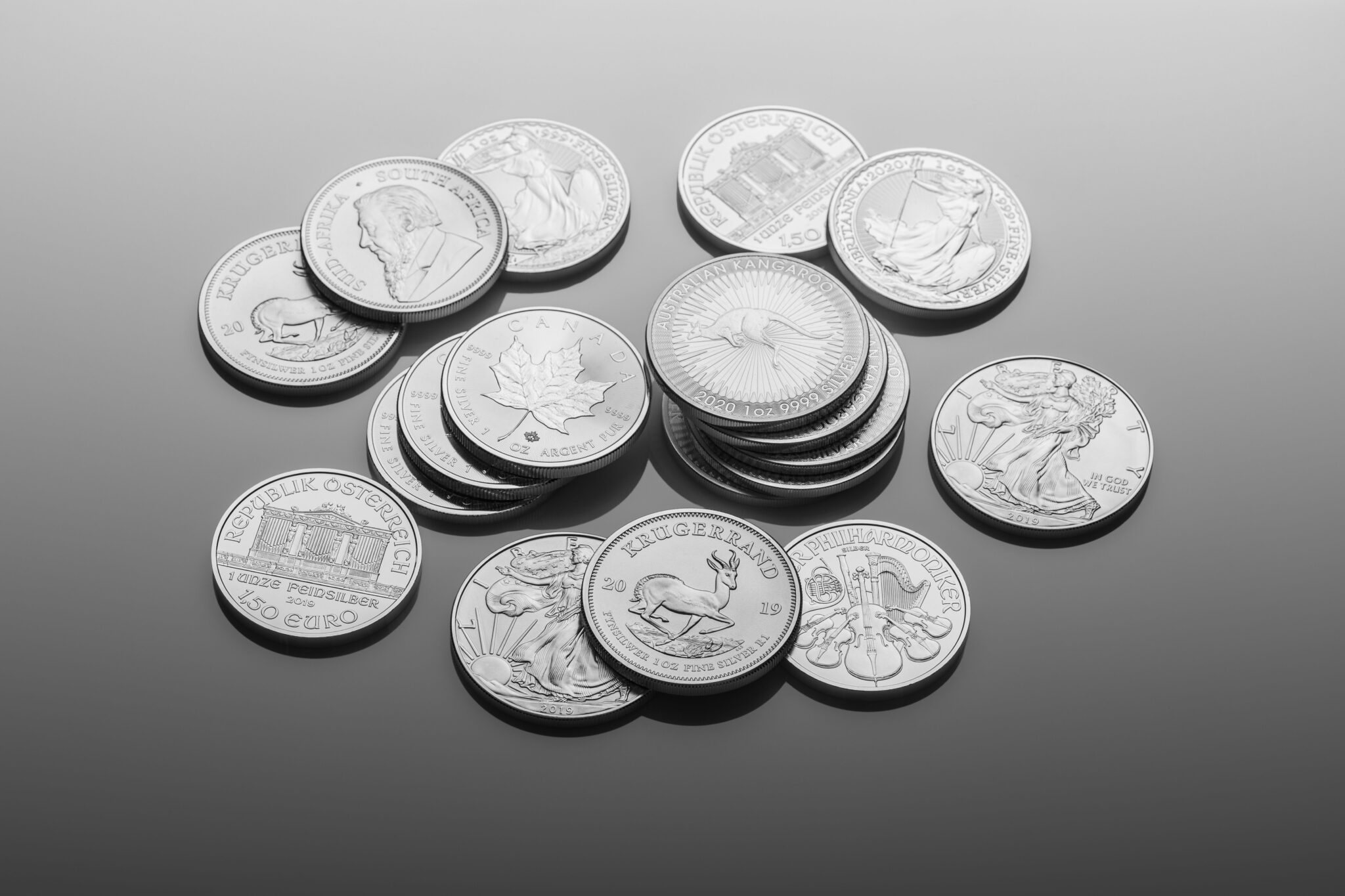
Silver rounds have become a widely discussed option among buyers looking for physical silver without the added layers often tied to government-issued currency.
Their structure, pricing, and accessibility create a different experience compared to traditional coinage, which has led many investors to examine how these pieces fit into broader acquisition strategies.
The term silver rounds refers to privately minted pieces that mirror the shape of coins but do not carry legal tender status. This distinction affects how they are priced and traded across the marketplace.
Assorted weight silver allows buyers to approach accumulation with flexibility, using different sizes that go with different budget levels and storage preferences.
Silver coins often include face values backed by issuing governments, which introduces a separate dimension tied to recognition and collectability.
Silver bars represent another widely traded format, typically associated with larger quantities and simplified production methods.
What Sets Silver Rounds Apart
Silver rounds occupy a unique position between coins and bars. They share the familiar appearance of coins while avoiding the regulatory and minting structures tied to sovereign currency. This combination allows for a more direct connection to underlying metal value.
Private mints produce rounds in a range of designs. Some feature simple finishes, while others display detailed artwork that appeals to buyers interested in visual presentation. Despite these differences, their value remains anchored in silver content rather than face value.
The absence of legal tender status removes the influence of government backing on pricing. This allows rounds to track market conditions more closely without the additional premium layers often associated with official coinage.
Pricing Advantages Compared to Coins
One of the main reasons investors consider silver rounds lies in their pricing structure. Coins issued by national mints often include higher premiums due to production standards, distribution systems, and legal designation.
Rounds tend to carry lower premiums since they are produced by private facilities with fewer regulatory requirements.
This difference becomes more noticeable during periods of strong demand. Coins may experience larger price increases due to limited supply from government mints, while rounds remain more closely associated with broader market pricing.
Lower premiums can translate into greater metal ownership for the same investment amount. This attracts buyers focused on maximizing silver content rather than acquiring pieces with added collectible attributes.
Design Selections Without Added Cost Pressure
Silver rounds allow for creative expression without greatly altering pricing structures. Private mints often release designs that reflect historical themes, cultural imagery, or artistic interpretations.
These designs can appeal to collectors while still maintaining a pricing approach centered on metal value.
Coins, by comparison, are often limited to official designs approved by issuing authorities. While these designs carry recognition, they may not offer the same level of variation seen in privately minted rounds.
The ability to access visually distinct pieces without paying high premiums contributes to the growing interest in rounds among both investors and collectors.
Accessibility and Market Entry
Silver rounds can serve as an entry point for individuals new to physical silver. Their pricing makes them more accessible than many government-issued coins, allowing buyers to begin building a position without much initial capital.
This accessibility extends to availability. Private mints can respond more quickly to market demand, which can lead to more consistent supply compared to limited coin releases.
Smaller denominations also support gradual accumulation. Buyers can acquire rounds over time, adjusting purchase frequency based on market conditions and personal financial plans.
Liquidity and Recognition in the Market
Liquidity refers to how easily an asset can be converted into cash. Silver rounds generally maintain strong liquidity due to their standardized weight and purity. Buyers familiar with silver markets recognize these characteristics, which supports straightforward transactions.
Coins may benefit from additional recognition due to government backing. This recognition can influence demand in certain situations, particularly among collectors or those who prefer widely known products.
Rounds, however, maintain consistent appeal among buyers focused on metal content. Their value is easier to assess since it lines up closely with market pricing rather than additional factors tied to face value or issuing authority.
Comparing Rounds to Bars in Investment Strategy
Silver bars often appeal to those interested in acquiring larger quantities at lower premiums per ounce. Their shape and size allow for efficient storage, especially in bulk holdings.
Rounds offer more flexibility in comparison. Their smaller size makes them easier to trade individually, which can be useful when selling portions of a silver position. This flexibility supports a more adaptable approach to buying and selling.
Both formats serve different purposes within a broader strategy. Bars may meet with long-term accumulation goals, while rounds offer versatility in both acquisition and liquidation.
Storage and Handling Considerations
Physical silver requires attention to storage conditions. Rounds are typically stored in protective cases, tubes, or secure containers that help maintain their condition. Proper storage helps preserve both appearance and resale potential.
Their uniform shape allows for organized storage, making them easier to manage compared to irregularly shaped items. This consistency can simplify inventory tracking for those holding multiple pieces.
Handling also plays a part in maintaining quality. Minimizing direct contact and using protective materials can help prevent surface marks or tarnishing over time.
Market Trends Driving Interest in Silver Rounds
Interest in silver rounds has increased as more buyers look for cost-effective ways to acquire physical silver. Market awareness has expanded through online platforms, making information about pricing and availability more accessible.
Economic uncertainty often drives attention toward tangible assets. Silver rounds fit within this trend by offering a straightforward path to physical ownership without the added layers tied to coins.
Industrial demand for silver continues to influence broader market conditions. While this demand affects all forms of silver, rounds remain attractive due to their pricing efficiency and availability.
Changing investor preferences also contribute to their popularity. Many buyers prioritize flexibility and affordability, both of which match the characteristics of silver rounds.
Long Term Considerations for Investors
Long-term approaches to silver often focus on accumulation over time. Rounds support this approach by allowing consistent purchases at varying price points. This method can help average out market fluctuations.
Diversification within physical silver holdings may include a mix of rounds, bars, and coins. Each format contributes different advantages, from cost efficiency to recognition and liquidity.
Market conditions will continue to influence how silver is valued. Observing these patterns can help investors make educated decisions about when and how to acquire additional holdings.
Physical silver ownership also reflects a preference for tangible assets. This perspective often goes along with broader strategies targeted on balancing exposure across different asset classes.
A Focused View on Silver Rounds
Silver rounds represent a practical option for people who want direct exposure to physical silver. Their pricing structure, accessibility, and design variety contribute to their growing appeal across different types of buyers.
Compared to coins, rounds offer a more straightforward connection to metal value. This simplicity attracts investors focused on maximizing silver content while maintaining flexibility in how they build and manage their holdings.
As interest in physical silver continues to progress, rounds remain a consistent presence within the market, reflecting both affordability and adaptability in a changing financial outlook.