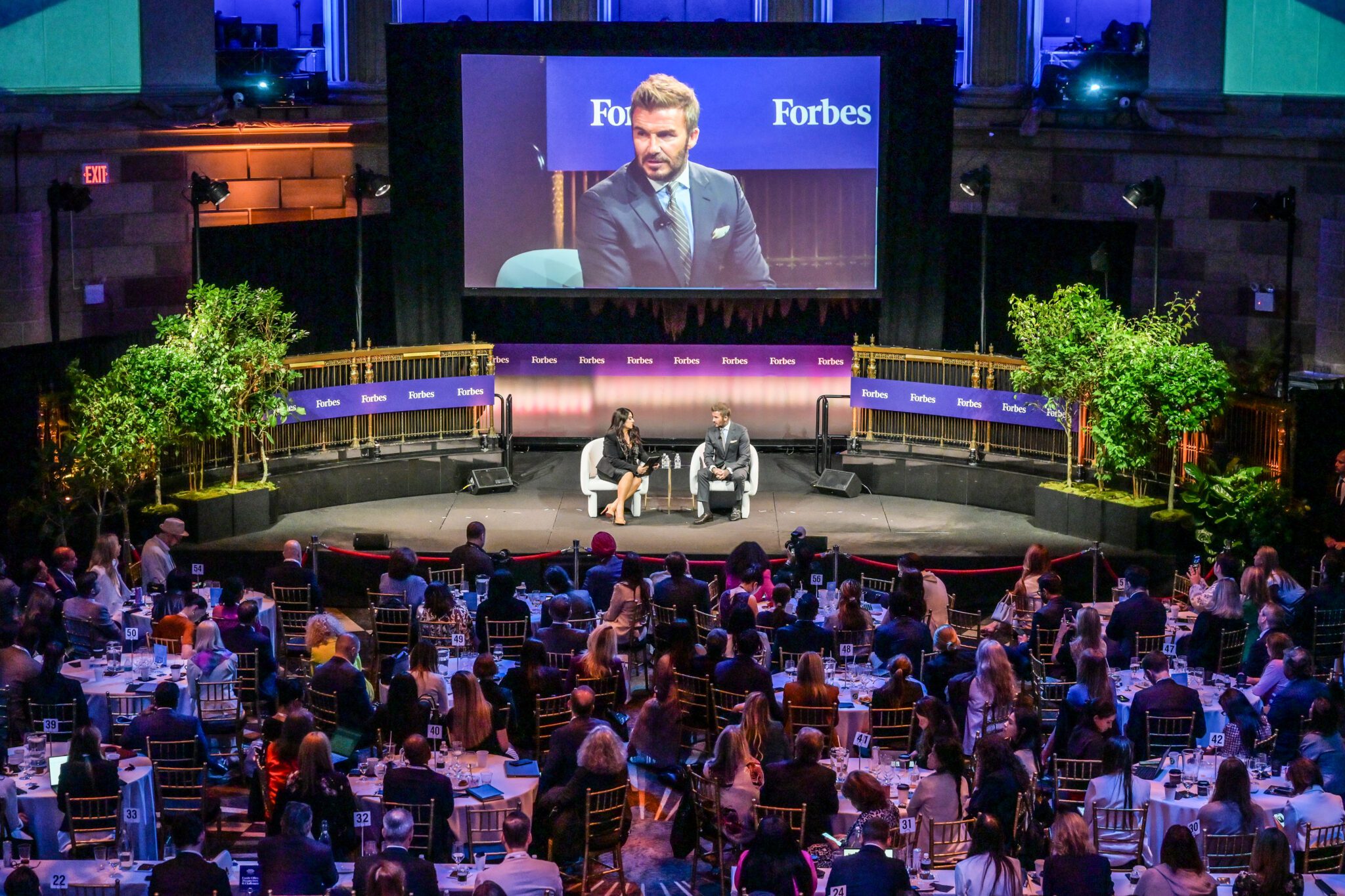
At the Forbes Iconoclast Summit in New York, sports investment wasn’t a side conversation. The buzz was unmistakable: sports has become one of the world’s most powerful wealth plays.
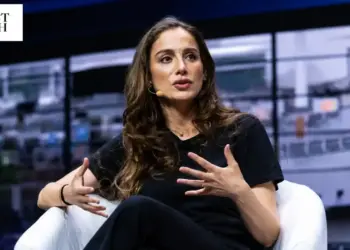
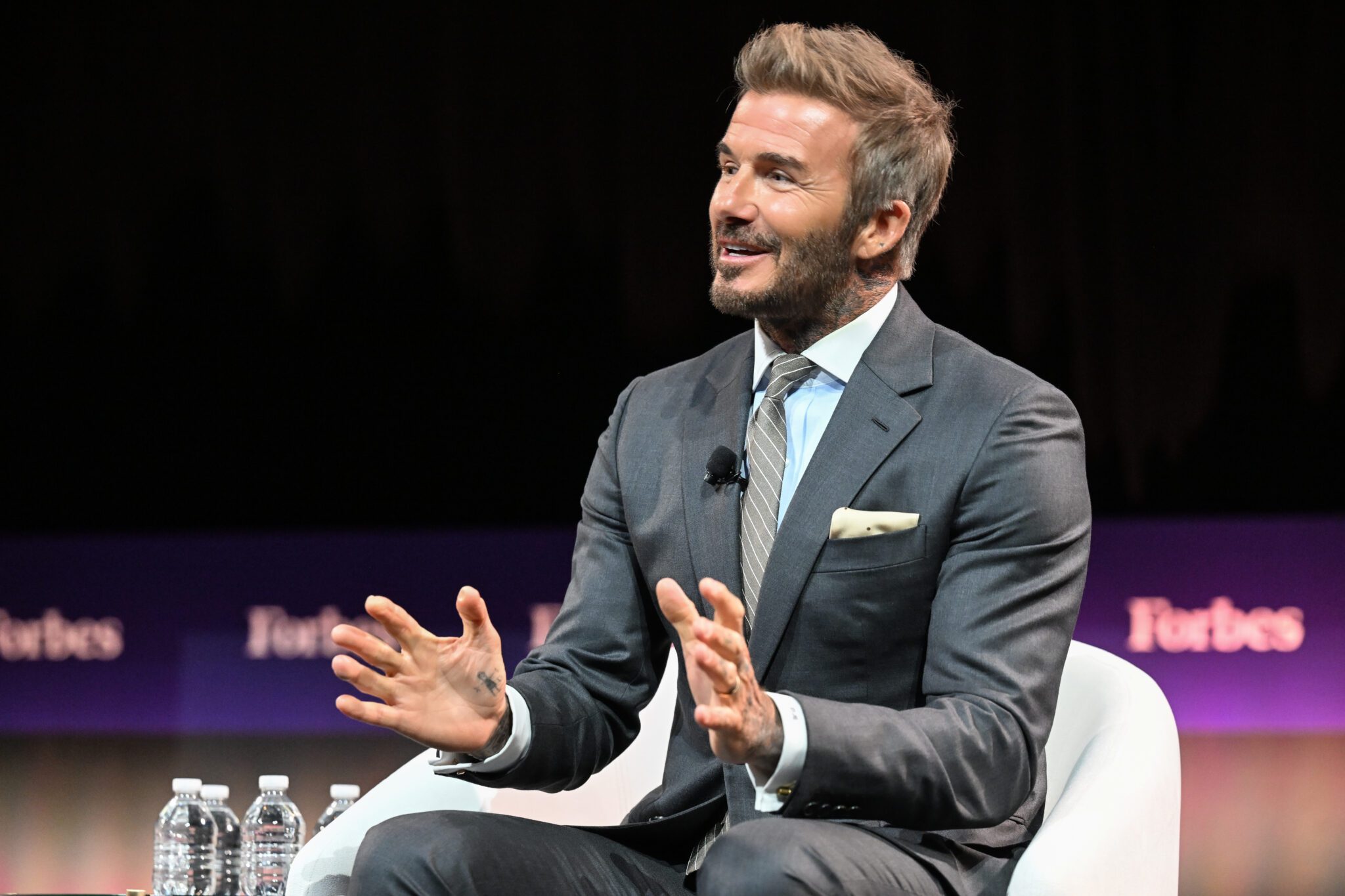
Impact Wealth was on-site as Maneet Ahuja, Forbes Editor-at-Large and Founder of Iconoclast, moderated a discussion with David Beckham, the former football star turned billionaire investor and co-owner of Inter Miami CF. The conversation offered a timely look at how sports ownership has evolved from a prestige purchase into a serious investment thesis.
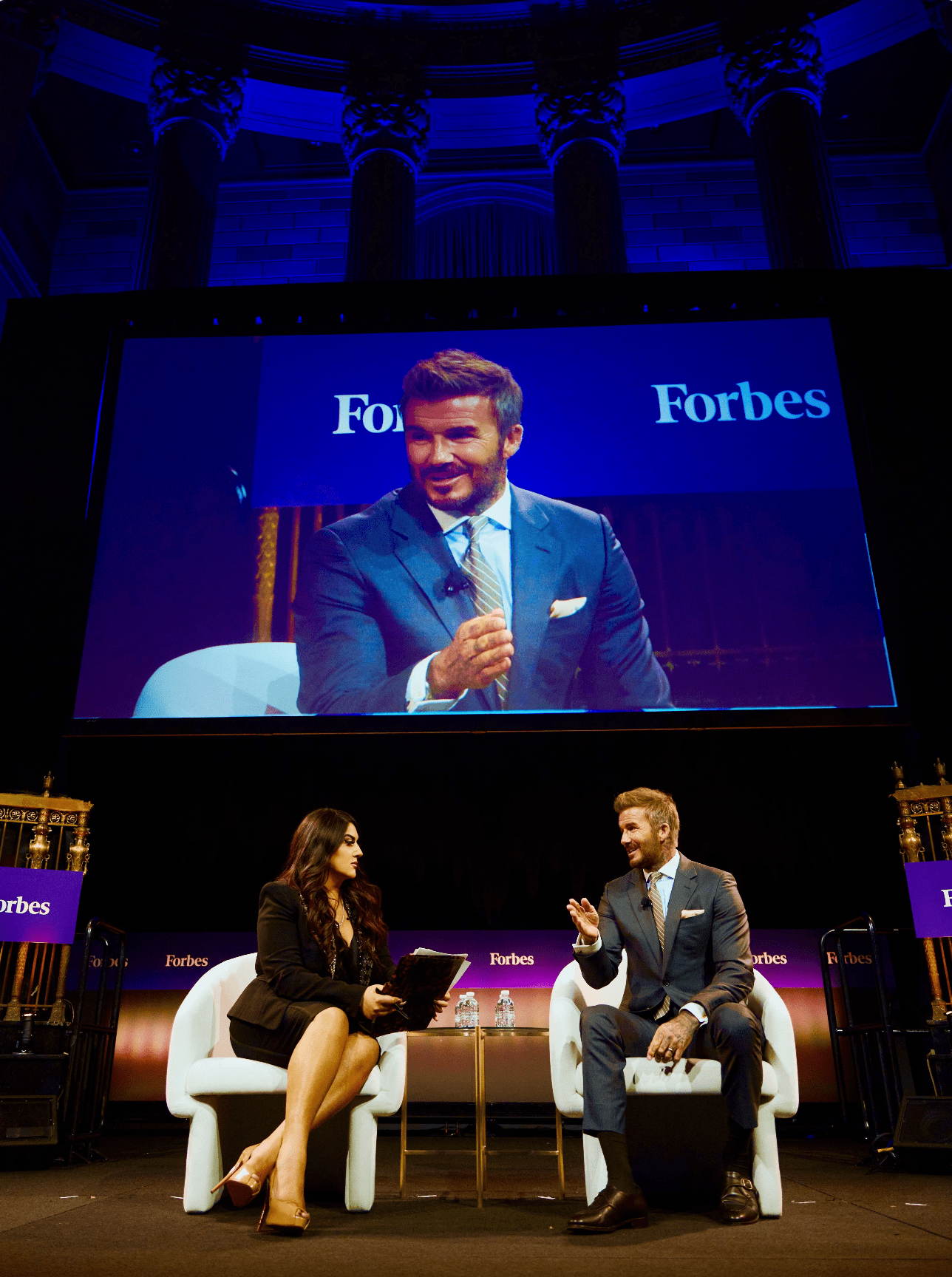
For Beckham, Inter Miami was never simply a financial bet. It was personal, and increasingly prescient. As Beckham told Ahuja during the panel, his connection to the U.S. began during the 1994 World Cup (the last time the U.S. hosted), when he “fell in love” with America and first imagined building a life and career here.
That connection eventually led him to Major League Soccer and Inter Miami, a club he helped carry through years of delays, ownership changes and other hurdles, as Ahuja chronicled in her Forbes cover story on Beckham’s rise to billionaire status.
Beckham described the process as “the biggest challenge in my career personally and professionally.” At one point, MLS commissioner Don Garber offered to buy back the team for $50 million. Beckham recalled responding: “No, Don, I believe in this,” adding, “That’s all I had to say.”
Today, his belief has become one of the more closely watched sports investment stories in the country. Forbes estimates Inter Miami is now worth $1.35 billion before debt, with Beckham’s 26% stake valued north of $300 million. The club has become a global brand, lifted by Beckham’s own celebrity, the arrival of Lionel Messi and the rising profile of soccer in the U.S. ahead of the 2026 FIFA World Cup.
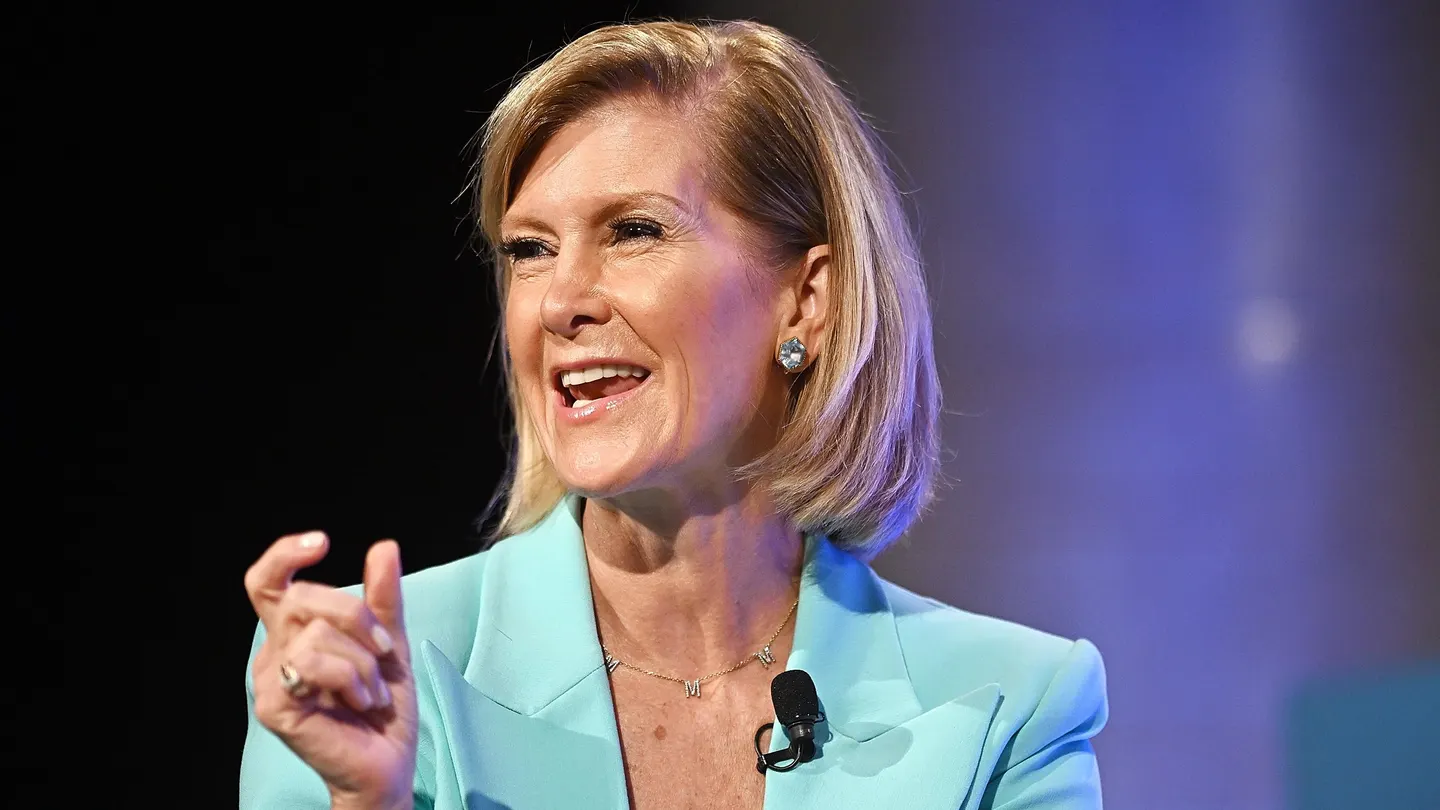
The broader thesis for sports investment was echoed through another panel at Iconoclast. Mary Callahan Erdoes, CEO of JPMorgan Chase Asset & Wealth Management, argued that artificial intelligence may actually increase the value of live sports and entertainment.
“The antithesis of AI is all sports, and for every moment that AI is going to take over and the agents are going to rule the world, you are left with craving live events and entertainment,” said Callahan Erdoes during a panel with SoftBank Vision Funds’ Alex Clavel, Mubadala Capital CIO Oscar Fahlgren, and Baroness Dambisa Moyo of the UK’s House of Lords.
Her point captures why investors are looking more closely at sports. In a world increasingly shaped by automation, live competition offers the ever decreasing opportunity to experience emotion, community, unpredictability and real-time cultural relevance. Because of the increasing scarcity, those qualities are becoming increasingly valuable.
The numbers reflect the sentiment shift. According to Forbes’ 2026 ranking, the average value of the world’s top soccer teams rose 21% from the prior year to a record $2.4 billion. Real Madrid ranks as the world’s most valuable soccer club at an estimated $9.5 billion, while the 30 most valuable clubs are worth a combined $87 billion.
For ultra-high-net-worth investors and family offices, Sports Investing is no longer just about buying a team. It can be a content platform, a live entertainment engine, a stadium district and a multigenerational wealth building brand. Beckham’s goal of creating a “legacy in America” is now visible both in Inter Miami’s growing cultural presence in Miami and in the long-term value of the asset he has helped build, one with the potential to compound across generations.

At Iconoclast it was clear that sports has become one of the defining wealth stories of the AI era. And the timing is powerful with the U.S., Canada and Mexico preparing to co-host the 2026 World Cup. Miami is set to host seven matches at Hard Rock Stadium, placing one of the country’s most global cities at the center of soccer’s next major growth moment.