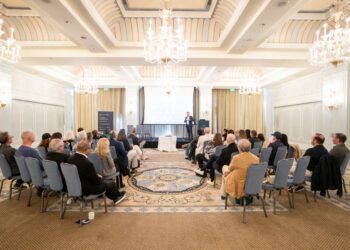
The big-ticket client event used to follow a script everyone knew by heart. Book a ballroom, fill it with a few hundred people, wheel out a speaker, hope the open bar carried the conversation. That formula is quietly losing favor among the people with the deepest budgets. Private family offices and luxury brands, the two groups least worried about cost, are the ones moving away from scale and toward something smaller and far more deliberate. The shift says a lot about what these hosts now believe an evening is actually for.
From the gala to the gathering
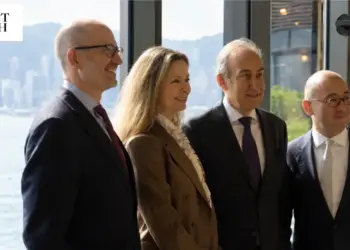
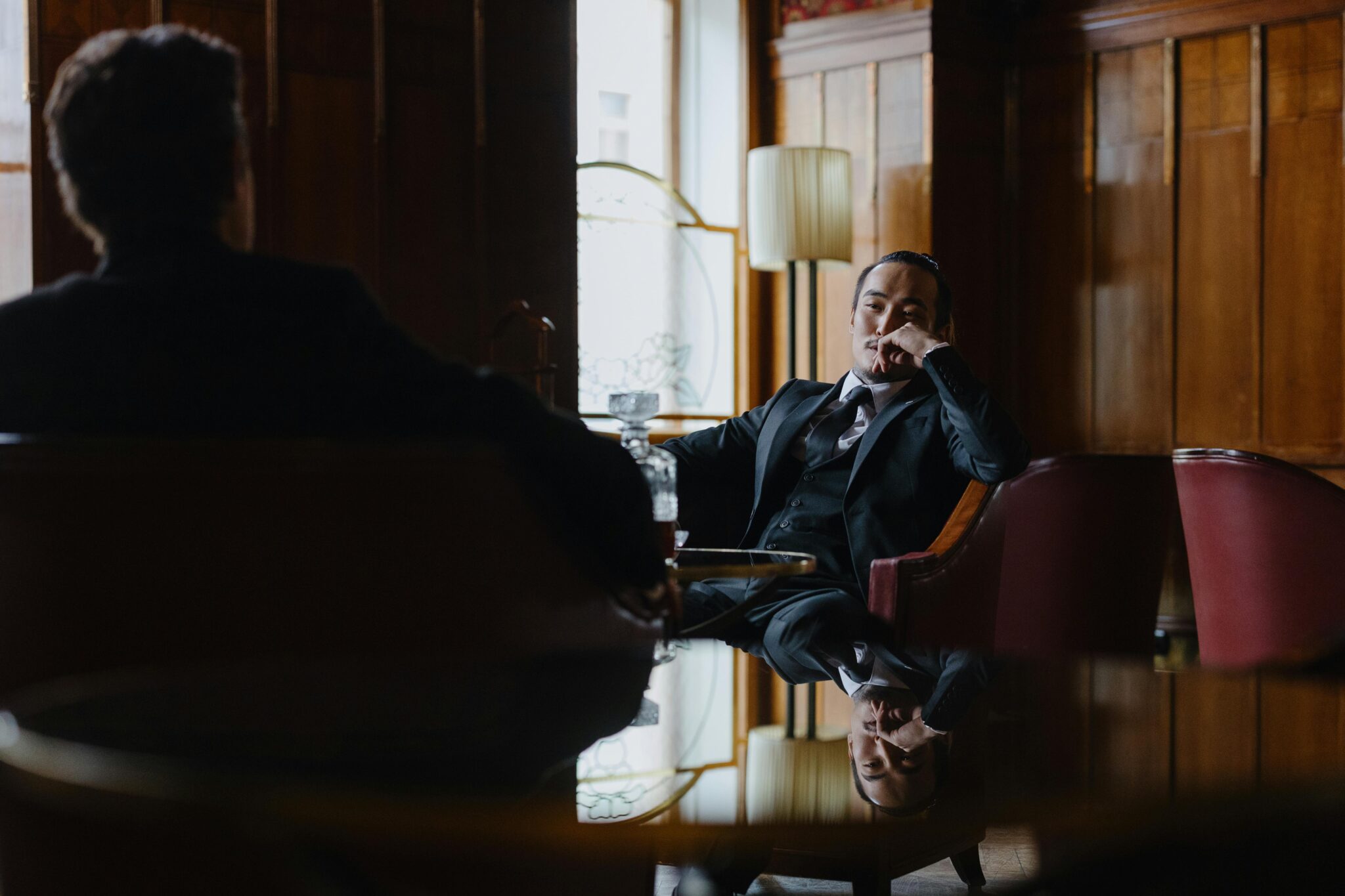
What is replacing the gala is intimacy. A wealth manager who once sponsored a thousand-seat dinner is now hosting twenty principals around a single long table. A heritage brand that would have thrown a sprawling launch party is inviting forty collectors to a private room instead. The logic is straightforward. Among ultra-high-net-worth clients, a crowded event signals nothing, because they get invited to dozens of them. A small, considered gathering signals that someone thought specifically about them, and that distinction is the whole game now.
Why the details carry the brand
When the guest list shrinks, every element gets more visible. There is nowhere for a mediocre detail to hide in a room of twenty. The wine, the lighting, the way someone is greeted at the door, all of it reads as a direct statement about how the host operates. For a family office whose entire pitch is discretion and care, a sloppy evening is not a neutral event. It actively contradicts the message. So the spending has shifted away from sheer headcount and toward the texture of the experience, where a single weak link is far more expensive than an empty seat ever was.
The people behind the bar
One detail that gets underrated is who is actually pouring the drinks. At a corporate or client function, the bar is one of the few places every guest physically stops, and the person standing there sets the tone for that interaction. A bartender who remembers a guest’s drink, reads when someone wants to talk and when they don’t, and keeps the line moving without rushing anyone is doing real relationship work, not just service.
This is why hosts increasingly bring in a specialist rather than relying on whoever the venue provides. A firm like Encore Bartending Service fields a vetted corporate event team built for exactly this setting, with staff who understand that a client dinner is a business environment first and a party second. That difference in posture matters when your guests are the people you most need to impress.
Designing an evening that feels personal
Strong staffing only goes so far without a thoughtful structure around it. The hosts doing this well think in terms of a guest’s journey through the night rather than a list of components to check off. They consider the moment of arrival, the first ten minutes when people decide whether they are comfortable, the natural lull after the main course when conversation either deepens or dies. Each of those moments gets a deliberate decision. A welcome drink waiting at the door instead of a coat-check line. A seating plan built around who should meet whom. The goal is an evening that feels effortless to the guest precisely because so much effort went into it where they cannot see.
New York and the rise of the bespoke bar
Nowhere is this craft-forward approach further along than New York, where the bar program has become a centerpiece in its own right. Hosts in the city are commissioning custom cocktail menus tied to a brand’s story or a family’s history, served by bartenders treated as part of the entertainment rather than the back-of-house. A dedicated Deluxe bar service of this kind will design drinks around the occasion, source the specific spirits a discerning guest will notice, and run the whole operation with the polish a Manhattan crowd expects. In a room full of people who have seen every standard open bar, a genuinely original one earns attention.
Measuring what a good night is actually worth
The hard part is justifying this to anyone who still measures events by attendance. The honest answer is that the metric changed. A family office is not counting heads, it is counting whether a key client felt valued enough to consolidate more of their assets. A luxury brand is not tracking foot traffic, it is tracking whether forty collectors left feeling like insiders. Those outcomes do not show up neatly on a spreadsheet, but the people allocating these budgets understand the math intuitively. One deepened relationship can be worth more than a thousand business cards collected at a forgettable gala.
That is the real reinvention underneath all of it. These hosts have stopped treating the client event as a marketing expense to be maximized and started treating it as a relationship, conducted in person, over a few carefully chosen hours. Scale was never the point. Being remembered is.