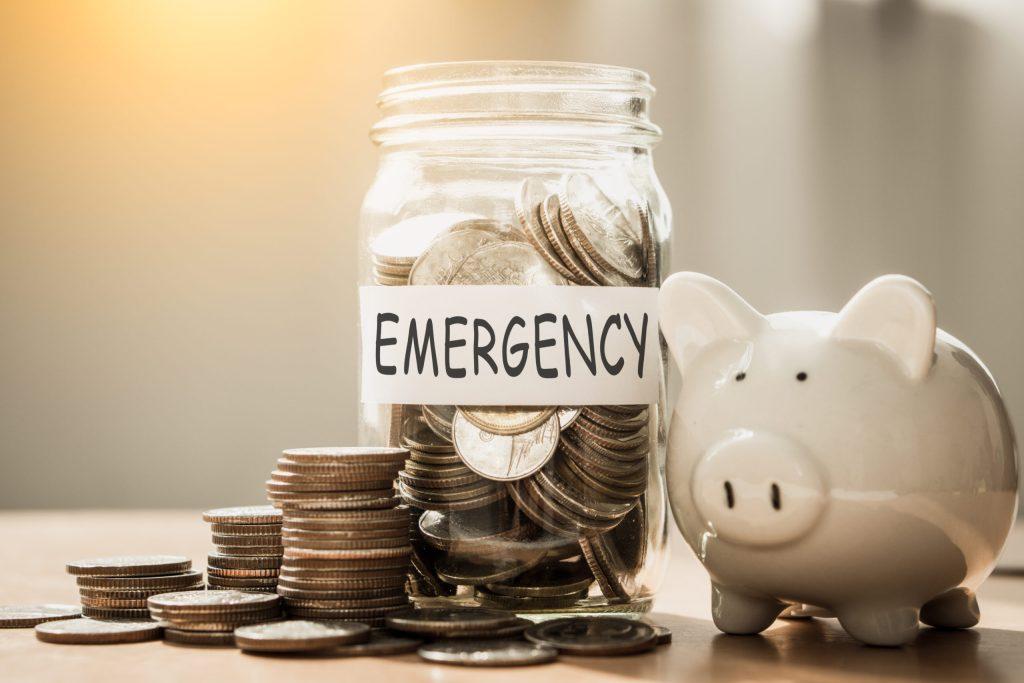
An emergency fund is a financial safety net that helps you handle unexpected expenses like medical bills, job loss, car repairs, or urgent home maintenance. Building one from scratch may seem difficult, especially if your income is limited, but with the right strategy and discipline, you can create it faster than you think.
This guide explains how to build an emergency fund quickly from scratch using simple, practical steps.
Why an Emergency Fund Is Important
An emergency fund protects you from financial stress and prevents you from relying on debt during crises.
Key benefits:
- Covers unexpected expenses
- Prevents credit card debt
- Reduces financial anxiety
- Provides stability during emergencies
It is one of the most important parts of financial planning.
Step 1: Set a Clear Savings Goal
Start by deciding how much you need.
Basic target:
- 3 to 6 months of essential expenses
If that feels overwhelming, begin with a smaller goal like:
- $500 or $1,000
Small goals are easier to achieve and keep you motivated.
Step 2: Track Your Income and Expenses
You cannot save what you don’t understand.
Do this:
- List all income sources
- Record monthly expenses
- Identify unnecessary spending
This helps you find money you can redirect into savings.
Step 3: Cut Unnecessary Expenses
Reducing small expenses can quickly add up.
Examples:
- Eating out less
- Cancel unused subscriptions
- Reduce impulse shopping
- Choose budget-friendly entertainment
Every saved dollar helps build your fund faster.
Step 4: Automate Your Savings
Set up automatic transfers to a separate savings account.
Why it works:
- Removes temptation to spend
- Builds consistency
- Makes saving effortless
Even small automatic deposits grow over time.
Step 5: Increase Your Income
To build your emergency fund faster, consider earning extra income.
Ideas:
- Freelancing
- Part-time work
- Selling unused items
- Online gigs
Extra income accelerates your savings significantly.
Step 6: Use a Separate Savings Account
Keep your emergency fund separate from your main account.
Benefits:
- Reduces temptation to spend
- Keeps savings organized
- Tracks progress clearly
Step 7: Save Windfalls and Bonuses
Any unexpected money should go directly into your emergency fund.
Examples:
- Tax refunds
- Work bonuses
- Gifts
- Side income
This can speed up your progress dramatically.
Step 8: Stay Consistent
Consistency is more important than amount.
Even small daily or weekly savings can build a strong emergency fund over time.
Simple Emergency Fund Plan
| Step | Action |
|---|---|
| Set Goal | Start with $500–$1000 |
| Track Spending | Identify savings opportunities |
| Cut Costs | Reduce unnecessary expenses |
| Automate Savings | Monthly or weekly transfers |
| Add Extra Income | Side hustles or freelancing |
Smart Money Habits to Support Savings
Building financial discipline helps you grow your emergency fund faster. Learning budgeting skills and improving money management is key.
For example, applying strategies from the Beginner Guide to Investing in Stocks with Little Money can help you understand how small financial decisions today can build long-term financial security.
Common Mistakes to Avoid
- Waiting for a “perfect” income level
- Using emergency fund for non-emergencies
- Not tracking expenses
- Saving inconsistently
- Keeping money in easily accessible accounts
Avoiding these mistakes ensures steady progress.
How Fast Can You Build an Emergency Fund?
The timeline depends on your income and discipline.
- With strong budgeting: 3–6 months
- With side income: 1–3 months
- With inconsistent saving: may take longer
The key is consistency, not speed alone.
FAQs
1. How much should my emergency fund be?
Ideally, 3 to 6 months of essential living expenses.
2. Where should I keep my emergency fund?
In a separate, easily accessible savings account.
3. Can I start with a small amount?
Yes, even small amounts like $50 or $100 are a good start.
4. Should I invest my emergency fund?
No, it should remain safe and easily accessible.
5. What counts as an emergency?
Medical issues, job loss, urgent repairs, or unexpected essential expenses.
Final Thoughts
Building an emergency fund from scratch is one of the smartest financial steps you can take. It may require discipline and patience, but even small, consistent actions can lead to financial security over time.