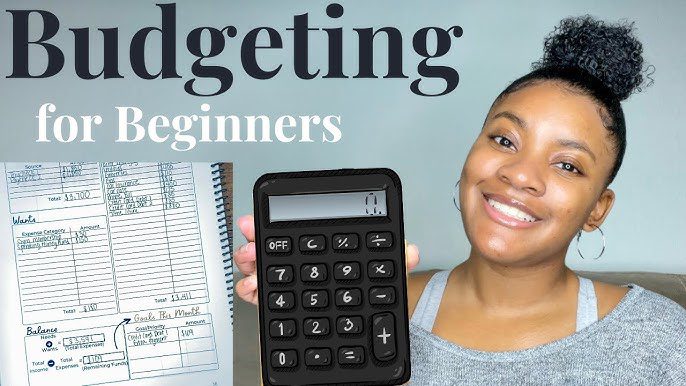
Managing your money effectively starts with a clear and practical budget. A monthly budget helps you track your income, control expenses, and achieve financial goals without stress. If you’re new to budgeting, don’t worry—this step-by-step guide will help you create a simple and effective plan.
Why a Monthly Budget Is Important
A budget is more than just numbers—it’s a tool for financial freedom. It helps you:
- Understand where your money goes
- Avoid overspending
- Save for future goals
- Reduce financial stress
- Build better money habits
Step-by-Step Guide to Creating a Monthly Budget
Step 1: Calculate Your Total Monthly Income
Start by determining how much money you earn each month.
Include:
- Salary
- Freelance or side income
- Business earnings
- Any other regular income
Tip: Use your net income (after taxes) for accuracy.
Step 2: List All Your Expenses
Break down your expenses into two categories:
Fixed Expenses
These stay the same every month:
- Rent
- Utilities
- Insurance
- Loan payments
Variable Expenses
These can change:
- Groceries
- Transportation
- Entertainment
- Dining out
Step 3: Track Your Spending
Before finalizing your budget, track your spending for at least a month.
- Use apps or a notebook
- Record every expense
- Identify unnecessary spending
This helps you understand your financial habits.
Step 4: Set Financial Goals
Define what you want to achieve with your money:
- Short-term goals (saving for a gadget, trip)
- Long-term goals (buying a house, retirement)
Clear goals make budgeting more meaningful.
Step 5: Apply the 50/30/20 Rule
A simple budgeting method for beginners:
| Category | Percentage | Description |
|---|---|---|
| Needs | 50% | Essentials like rent, bills |
| Wants | 30% | Lifestyle and entertainment |
| Savings/Debt | 20% | Savings and loan repayments |
Adjust percentages based on your situation.
Step 6: Create Your Budget Plan
Now organize your income and expenses into a monthly plan:
- Allocate money to each category
- Ensure total expenses don’t exceed income
- Leave room for savings
Step 7: Cut Unnecessary Expenses
Identify areas where you can save:
- Cancel unused subscriptions
- Reduce dining out
- Choose affordable alternatives
Small changes can lead to big savings over time.
Step 8: Build an Emergency Fund
Set aside money for unexpected expenses like medical bills or repairs.
Goal: Save at least 3–6 months of living expenses.
Step 9: Review and Adjust Monthly
Your budget isn’t fixed—it should evolve with your needs.
- Review at the end of each month
- Adjust categories if needed
- Track progress toward goals
Sample Monthly Budget Table
| Category | Budgeted Amount | Actual Spending | Difference |
|---|---|---|---|
| Income | 100,000 | 100,000 | 0 |
| Rent | 30,000 | 30,000 | 0 |
| Groceries | 15,000 | 13,000 | +2,000 |
| Utilities | 10,000 | 9,000 | +1,000 |
| Entertainment | 8,000 | 10,000 | -2,000 |
| Savings | 20,000 | 20,000 | 0 |
Tips for Successful Budgeting
- Be realistic with your numbers
- Track every expense
- Avoid impulse spending
- Use budgeting apps for convenience
- Stay consistent and patient
Common Mistakes to Avoid
- Not tracking expenses
- Setting unrealistic goals
- Ignoring small purchases
- Forgetting irregular expenses
- Giving up too quickly
Budgeting and Long-Term Financial Growth
Creating a budget is the first step toward building wealth. Once you control your finances, you can explore strategies like saving and investing. Learning topics such as How to Invest During a Recession for Long-Term Growth can help you make smarter financial decisions and secure your future.
FAQs
1. How much should I save each month?
Ideally, aim to save at least 20% of your income, but any amount is a good start.
2. What is the easiest budgeting method for beginners?
The 50/30/20 rule is simple and effective for beginners.
3. Can I budget with a low income?
Yes, budgeting is even more important with a limited income to manage expenses wisely.
4. How long does it take to see results?
You may notice improvements within 1–2 months of consistent budgeting.
5. Should I use apps or a manual method?
Both work well—choose what suits your preference and lifestyle.
Final Thoughts
Creating a monthly budget plan doesn’t have to be complicated. By following simple steps, tracking your spending, and staying consistent, you can take control of your finances and work toward your goals.