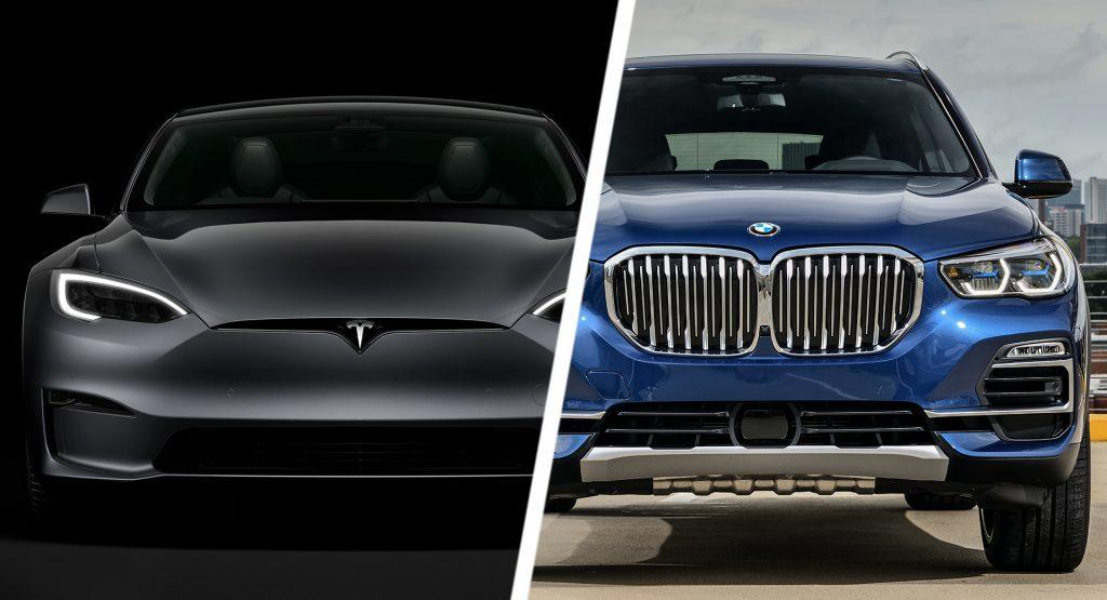
The debate around BMW vs Tesla has become one of the most compelling narratives in the automotive world. On one side, you have BMW, a brand built on over a century of engineering excellence, performance heritage, and refined luxury. On the other, Tesla represents disruption, innovation, and a bold reimagining of what cars can be in a fully electric future.
For buyers today, the choice is no longer just about horsepower or styling t’s about philosophy. BMW emphasizes the joy of driving, precision handling, and premium craftsmanship. Tesla, however, leans heavily into software-driven experiences, autonomous technology, and industry-leading electric efficiency. Consequently, the decision between the two brands depends on what you value most in a vehicle.
This detailed comparison explores BMW vs Tesla across brand identity, models, performance, technology, and ownership experience. Whether you’re considering a luxury sedan or a cutting-edge EV SUV, this guide will help you make an informed decision.
Legacy Luxury vs EV Disruptor
BMW’s identity is rooted in tradition. Founded in 1916, the company has consistently delivered vehicles that prioritize balance, driver engagement, and mechanical excellence. Its slogan, “The Ultimate Driving Machine,” reflects a deep commitment to performance and control. Moreover, BMW has successfully transitioned into the EV era with models like the BMW i4 and BMW iX, blending heritage with innovation.
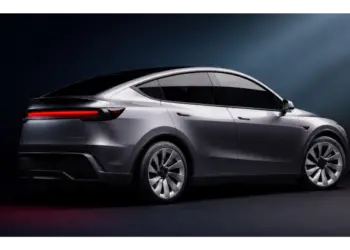
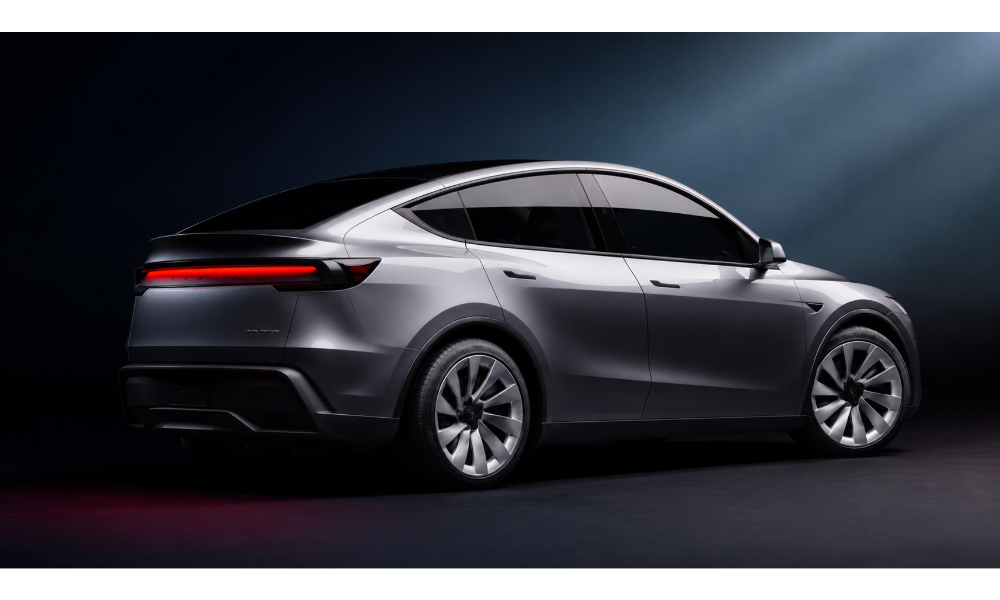
Tesla, in contrast, is a relatively new player founded in 2003. Led by Elon Musk, Tesla has disrupted the automotive industry by prioritizing electric mobility, software integration, and autonomous driving. Vehicles like the Tesla Model 3 and Tesla Model X have redefined expectations for EV performance and technology.
However, the distinction goes deeper than age. BMW represents refinement and incremental innovation, while Tesla thrives on rapid disruption and bold experimentation. Therefore, choosing between them often reflects your mindset—traditional luxury versus futuristic minimalism.
Brand Positioning: Heritage vs Innovation
BMW positions itself as a premium brand focused on driving pleasure. Its vehicles are engineered for enthusiasts who appreciate responsiveness, road feedback, and high-quality interiors. Additionally, BMW maintains a strong global dealership network, offering personalized customer service and after-sales support.
Tesla, however, positions itself as a technology company as much as an automaker. Its direct-to-consumer sales model eliminates traditional dealerships. Moreover, Tesla vehicles receive frequent over-the-air (OTA) updates, improving features over time without requiring service visits.
Key Differences in Positioning:
- BMW: Luxury, craftsmanship, driving dynamics
- Tesla: Innovation, software, sustainability
- BMW: Established dealership ecosystem
- Tesla: Direct sales and digital-first experience
Consequently, buyers who value heritage and tactile driving may lean toward BMW, while tech-savvy consumers often prefer Tesla.
Core Models Comparison
BMW and Tesla compete directly in several segments. The most notable comparisons include the BMW 3 Series and i4 against the Tesla Model 3, as well as the BMW iX versus the Tesla Model X.
BMW’s BMW 3 Series remains a benchmark in the luxury sedan category, offering a balance of comfort and performance. The i4 builds on this legacy with an all-electric platform.
Tesla’s Model 3, however, dominates the EV sedan space with strong range, rapid acceleration, and a minimalist interior. Similarly, the Model X competes with the BMW iX in the premium electric SUV segment.
BMW vs Tesla Overview
| Feature | BMW | Tesla |
|---|---|---|
| Brand Identity | Luxury performance | Tech-driven innovation |
| Driving Experience | Engaging, driver-focused | Smooth, autonomous-oriented |
| Technology | Advanced but traditional | Cutting-edge, software-centric |
| Range | Competitive EV range | Industry-leading EV range |
| Pricing | Premium | Competitive EV pricing |
Performance: Speed Meets Precision
Performance is where the BMW vs Tesla debate becomes particularly interesting. Tesla is known for its blistering acceleration, thanks to instant torque from electric motors. The Model 3 Performance, for instance, can go from 0–100 km/h in under 4 seconds.
BMW, however, focuses on overall driving dynamics. While the i4 delivers impressive acceleration, it also offers superior handling and steering feedback. Moreover, BMW vehicles are designed to perform equally well on highways and winding roads.
Performance Highlights:
- Tesla excels in straight-line speed
- BMW offers better cornering and control
- Tesla prioritizes efficiency and instant torque
- BMW balances performance with comfort
Therefore, if acceleration is your priority, Tesla leads. However, for a more engaging driving experience, BMW remains unmatched.
Technology: Software vs Engineering
Tesla is widely regarded as the leader in automotive software. Its infotainment system is intuitive, responsive, and constantly updated. Features like Autopilot and Full Self-Driving push the boundaries of what vehicles can do.
BMW, however, integrates technology more subtly. Its iDrive system is user-friendly and complements the driving experience rather than dominating it. Moreover, BMW emphasizes safety and reliability over experimental features.
Tech Comparison:
- Tesla: OTA updates, AI-driven features, large touchscreen interface
- BMW: Balanced tech integration, physical controls, refined UI
Consequently, Tesla appeals to tech enthusiasts, while BMW caters to drivers who prefer a more traditional interface.
Interior & Build Quality
Interior quality is a major differentiator in the BMW vs Tesla comparison. BMW interiors are known for premium materials, meticulous craftsmanship, and ergonomic design. Leather upholstery, ambient lighting, and precise fit-and-finish create a luxurious environment.
Tesla interiors, however, follow a minimalist philosophy. While clean and modern, they often lack the tactile richness found in BMW vehicles. Moreover, some users report inconsistencies in build quality.
Interior Highlights:
- BMW: Premium materials, traditional luxury
- Tesla: Minimalist design, futuristic feel
Therefore, if interior quality matters most, BMW has a clear advantage.
Range, Charging & Efficiency
Tesla leads the industry in EV range and charging infrastructure. Its Supercharger network provides fast, reliable charging across many regions. Moreover, Tesla vehicles are highly efficient, maximizing range per charge.
BMW’s EVs offer competitive range but rely on third-party charging networks. However, BMW continues to improve its charging ecosystem and battery technology.
Model Comparison
| Model | Range (approx) | 0–100 km/h | Starting Price |
|---|---|---|---|
| BMW i4 | ~590 km | ~4.0 sec | Premium |
| Tesla Model 3 | ~600 km | ~3.8 sec | Competitive |
| BMW iX | ~500 km | ~4.6 sec | High-end |
| Tesla Model X | ~560 km | ~3.9 sec | Premium |
Pricing & Ownership Costs
Tesla vehicles often have lower maintenance costs due to fewer moving parts. Additionally, software updates can enhance value over time. However, repair costs can be high due to limited service centers.
BMW vehicles, while more expensive to maintain, offer a well-established service network. Moreover, resale values remain strong due to brand reputation.
Reliability & Service Experience
BMW benefits from decades of service infrastructure and reliability improvements. Customers can access dealerships easily and receive consistent support.
Tesla, however, operates fewer service centers, which can lead to longer wait times. Nevertheless, mobile service options and remote diagnostics add convenience.
Driving Experience: Driver vs Tech Focus
BMW vehicles are designed for drivers who enjoy being behind the wheel. Steering precision, suspension tuning, and road feedback create a connected experience.
Tesla vehicles, in contrast, emphasize automation and ease of use. Features like Autopilot reduce driver involvement, making long journeys more relaxing.
Therefore, BMW suits enthusiasts, while Tesla appeals to those who prefer convenience and innovation.
Which Brand Suits Which Buyer?
Choosing between BMW vs Tesla ultimately depends on your priorities.
Choose BMW if you want:
- A luxurious, high-quality interior
- Engaging driving dynamics
- Strong dealership support
Choose Tesla if you want:
- Cutting-edge technology
- Long EV range and fast charging
- A futuristic driving experience
FAQs
1. Is BMW better than Tesla?
It depends on your preference. BMW excels in luxury and driving experience, while Tesla leads in technology and EV innovation.
2. Which is faster, BMW or Tesla?
Tesla generally offers quicker acceleration, especially in performance models.
3. Are Tesla cars more reliable than BMW?
Tesla has fewer mechanical parts, but BMW has a more established service network.
4. Which has better resale value?
Both brands perform well, but Tesla’s resale value benefits from high EV demand.
5. Is BMW going fully electric?
BMW is expanding its EV lineup rapidly, aiming for a strong electric future.