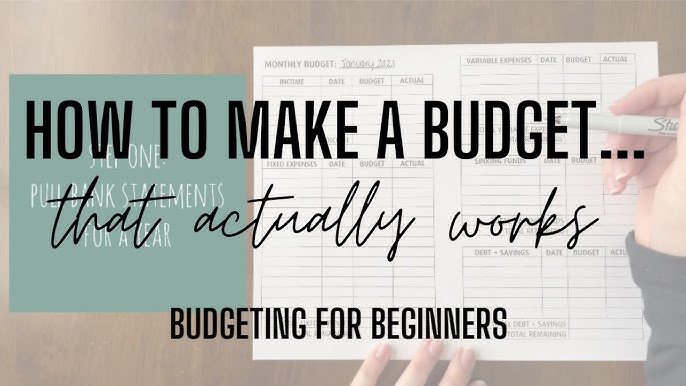
Managing monthly income effectively is one of the most important financial skills anyone can develop. A proper budget helps individuals understand where their money goes, control spending, and achieve financial goals. Without a clear plan, it is easy to overspend or struggle to save for the future.
Budgeting does not have to be complicated. By following a simple step-by-step process, anyone can create a practical and effective monthly budget that works for their lifestyle.
In this guide, you will learn how to budget your monthly income step by step and build strong financial habits.
Why Budgeting Monthly Income Is Important
Budgeting allows people to take control of their finances instead of letting expenses control them. It ensures that income is used wisely and that essential needs are covered first.
Benefits of budgeting include:
- Better money management
- Reduced financial stress
- Increased savings
- Improved spending habits
- Clear financial goals
Many financial experts also emphasize budgeting as part of strategies discussed in Best Personal Finance Tips for Young Professionals because it is the foundation of financial success.
Step 1: Calculate Your Total Monthly Income
The first step in budgeting is understanding exactly how much money you earn each month. This includes all sources of income.
Examples of income sources:
- Salary
- Freelance earnings
- Business income
- Side hustles
- Investment returns
Add all sources together to determine your total monthly income. This number will guide your budgeting decisions.
Step 2: Track All Your Expenses
Next, identify where your money is currently being spent. Many people are surprised when they see how much they actually spend each month.
Common expense categories include:
- Rent or housing
- Food and groceries
- Transportation
- Utilities
- Internet and phone bills
- Entertainment
- Subscriptions
- Personal expenses
Tracking expenses for one month provides a clear picture of spending habits.
Step 3: Categorize Your Spending
Once you track expenses, divide them into categories. This helps you understand which areas consume the most money.
Main spending categories usually include:
- Essential expenses
- Savings
- Investments
- Lifestyle spending
- Emergency funds
This step makes budgeting more organized and easier to manage.
Example Monthly Budget Structure
Below is a simple example of how monthly income can be distributed.
| Budget Category | Suggested Percentage |
|---|---|
| Housing & Bills | 30–40% |
| Food & Groceries | 10–15% |
| Transportation | 10–15% |
| Savings | 20% |
| Investments | 10% |
| Personal Spending | 5–10% |
This structure can be adjusted depending on income level and lifestyle needs.
Step 4: Set Financial Goals
Budgeting becomes more effective when it is connected to clear financial goals. These goals help motivate you to manage money wisely.
Examples of financial goals:
- Building an emergency fund
- Paying off debt
- Saving for travel
- Buying a car
- Investing for the future
Goals give purpose to your budget and help you stay disciplined.
Step 5: Reduce Unnecessary Expenses
After analyzing spending, look for areas where you can reduce costs. Small changes can lead to significant savings over time.
Examples of expenses to review:
- Dining out frequently
- Unused subscriptions
- Impulse shopping
- High entertainment costs
Cutting unnecessary expenses allows more money to go toward savings and investments.
Step 6: Allocate Money for Savings First
One effective budgeting strategy is paying yourself first. This means saving a portion of your income before spending on non-essential items.
Important savings types include:
- Emergency fund
- Retirement savings
- Investment funds
- Future financial goals
Even saving a small amount consistently can make a big difference over time.
Step 7: Monitor and Adjust Your Budget
A budget is not something you create once and forget. It should be reviewed regularly to ensure it still works for your financial situation.
You should review your budget when:
- Income changes
- Expenses increase
- Financial goals change
- Lifestyle changes occur
Adjusting your budget helps maintain financial balance.
Common Budgeting Mistakes to Avoid
Many people struggle with budgeting because they make avoidable mistakes.
Some common mistakes include:
- Not tracking expenses
- Setting unrealistic budgets
- Ignoring small daily expenses
- Forgetting emergency savings
- Not reviewing the budget regularly
Avoiding these mistakes improves the effectiveness of your financial planning.
Tools That Can Help With Budgeting
Today, many digital tools and apps make budgeting easier and more accurate.
Popular budgeting tools help with:
- Expense tracking
- Financial reports
- Goal setting
- Automatic calculations
- Spending alerts
Using technology can simplify financial management and improve discipline.
FAQs About Budgeting Monthly Income
1. What is the first step in budgeting monthly income?
The first step is calculating your total monthly income so you know how much money you have available to allocate.
2. How much of my income should I save each month?
Many financial experts recommend saving at least 20% of monthly income if possible.
3. How often should I review my budget?
You should review your budget at least once a month or whenever your income or expenses change.
4. Can budgeting help reduce debt?
Yes, budgeting helps control spending and allows individuals to allocate money toward paying off debt faster.
5. Is budgeting difficult for beginners?
No, budgeting becomes easier over time. Starting with simple steps and consistent tracking can make the process manageable.
Conclusion
Budgeting monthly income is one of the most effective ways to take control of personal finances. By calculating income, tracking expenses, setting goals, and adjusting spending habits, individuals can create a financial plan that supports both present needs and future ambitions.