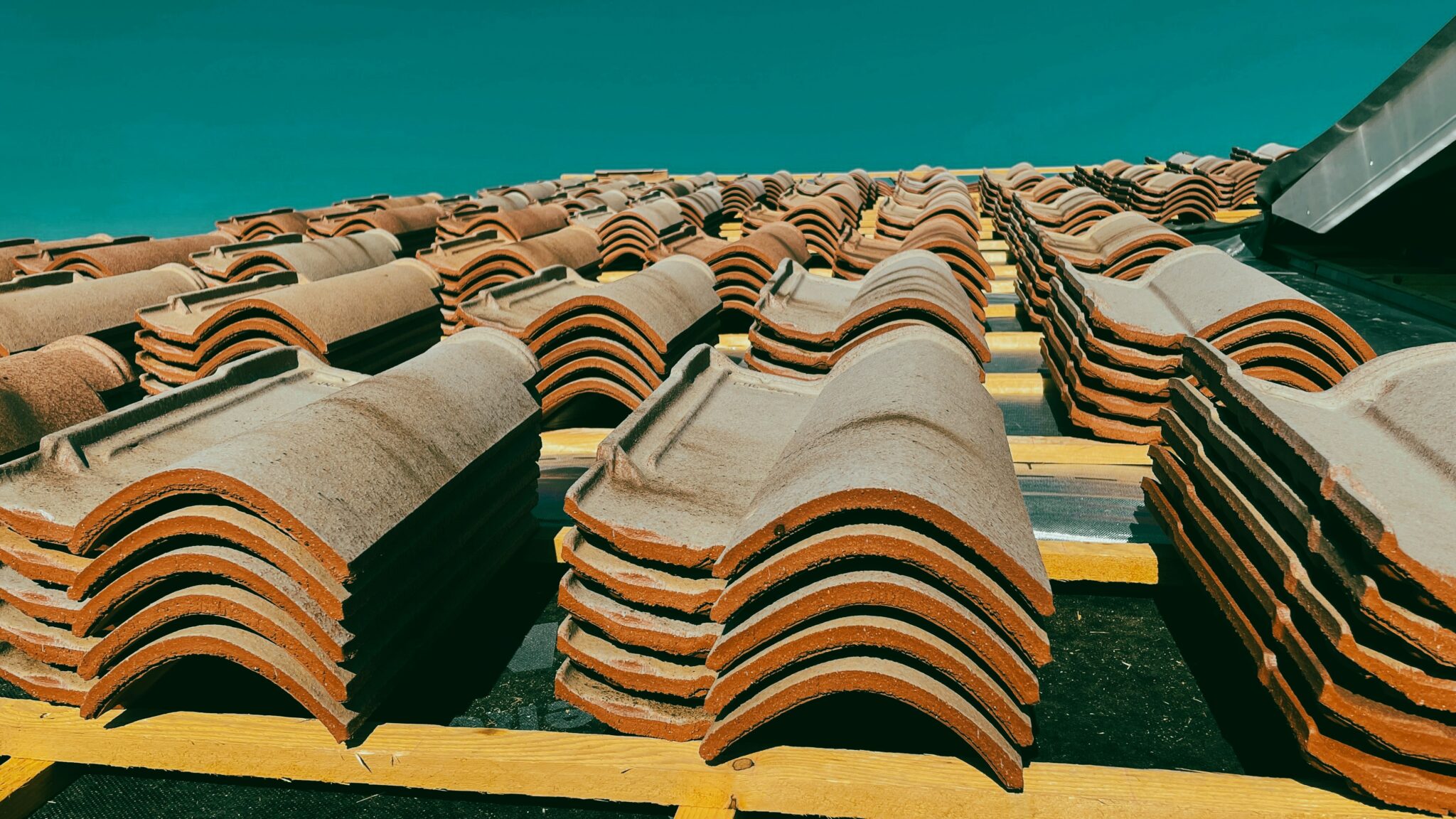
Putting a new roof on your home is a major project that requires precision and the right materials. Modern methods focus on creating a shield against the elements while keeping the underlying structure dry and secure. Success starts with a solid foundation, which means the roof deck must be smooth and properly fastened to the trusses.
Starting With The Right Foundation
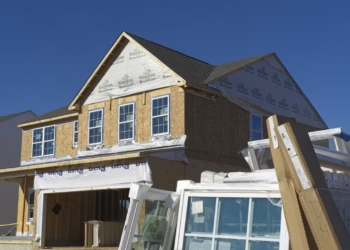
A high-quality roof begins with a surface that is completely free of gaps or holes. If the decking is damaged, the shingles will not lie flat and may fail prematurely. Modern crews spend significant time inspecting the wood for rot or soft spots before any new layers go down.
The next layer involves high-quality underlayment to block moisture. Many teams now use synthetic materials because they offer high UV resistance and can stay exposed for up to one year. This transition to synthetics provides a much tougher barrier than old felt paper ever could.
Precision In Shingle Placement
Nailing patterns have changed over the years to account for stronger storms. A standard installation usually requires 4 nails per shingle to keep them in place. Using the correct depth and angle ensures the nail head does not cut into the asphalt material.
Contractors often use specialized tools to verify that every row is perfectly straight. This helps with the visual appeal and also ensures the water shedding channels work exactly as intended. Even a small alignment error can lead to leaks during heavy rain.
Local Standards For Roof Protection
Weather patterns in the Pacific Northwest require specific attention to moisture and wind resistance. Homeowners in this region often look for contractors who understand the unique challenges of a damp climate. Finding a team for a Portland metro roof replacement is the best way to ensure the work stands up to local rain levels. Experienced installers know which products handle constant humidity without growing moss or algae.
The installation process must also account for ventilation. Proper airflow in the attic prevents heat from building up and cooking the shingles from the inside out. Without this balance, even the best materials will degrade long before their warranty ends.
Adapting To Higher Wind Speeds
High wind areas require a more aggressive fastening approach to prevent shingle blow-off. In these zones, crews will use 6 nails per shingle instead of the standard 4. This extra reinforcement creates a much stronger bond between the layers.
- Inspect all transition points where the roof meets a wall.
- Apply extra sealant around chimneys and vent pipes.
- Check the adhesive strips on every shingle for proper bonding.
- Ensure the starter strip is installed correctly at the eaves.
Manufacturers have also developed hurricane-grade shingles that are tested for extreme impact. These products are designed to stay attached even when wind speeds reach dangerous levels. Investing in these materials provides peace of mind for those living in storm-prone areas.
Working With Temperature Variables
Installing shingles during the colder months requires a different set of rules. Asphalt shingles lose their flexibility and can crack if the temperature drops below 40 degrees Fahrenheit. This makes the timing of a project very important for the long-term health of the roof.
Crews often have to hand-seal shingles in cold weather because the sun is not warm enough to activate the built-in adhesive. This extra step ensures the roof is waterproof from day one. Taking these precautions prevents shingles from lifting during the first winter storm.
High-Tech Inspection Methods
Drones are becoming a standard tool for modern roofing companies. They provide high-resolution images that allow contractors to see issues that are not visible from the ground. This technology makes the initial estimate much more accurate and identifies hidden damage.
Using these digital tools allows for a safer work environment. Technicians can map out the entire roof surface without having to climb onto steep or dangerous slopes immediately. It results in a more thorough plan for the entire installation process.
Handling Changing Climate Conditions
Rising global temperatures are placing more stress on residential roofing systems. As temperatures soar, the extreme heat can have a devastating effect on the shingles. This has led to the development of “cool roofs” that reflect more sunlight away from the home.
Modern materials are now engineered to handle these thermal cycles without cracking. By choosing shingles with a higher thermal resistance, you protect the structural integrity of your entire house. A roof that can breathe and reflect heat stays strong for many decades.
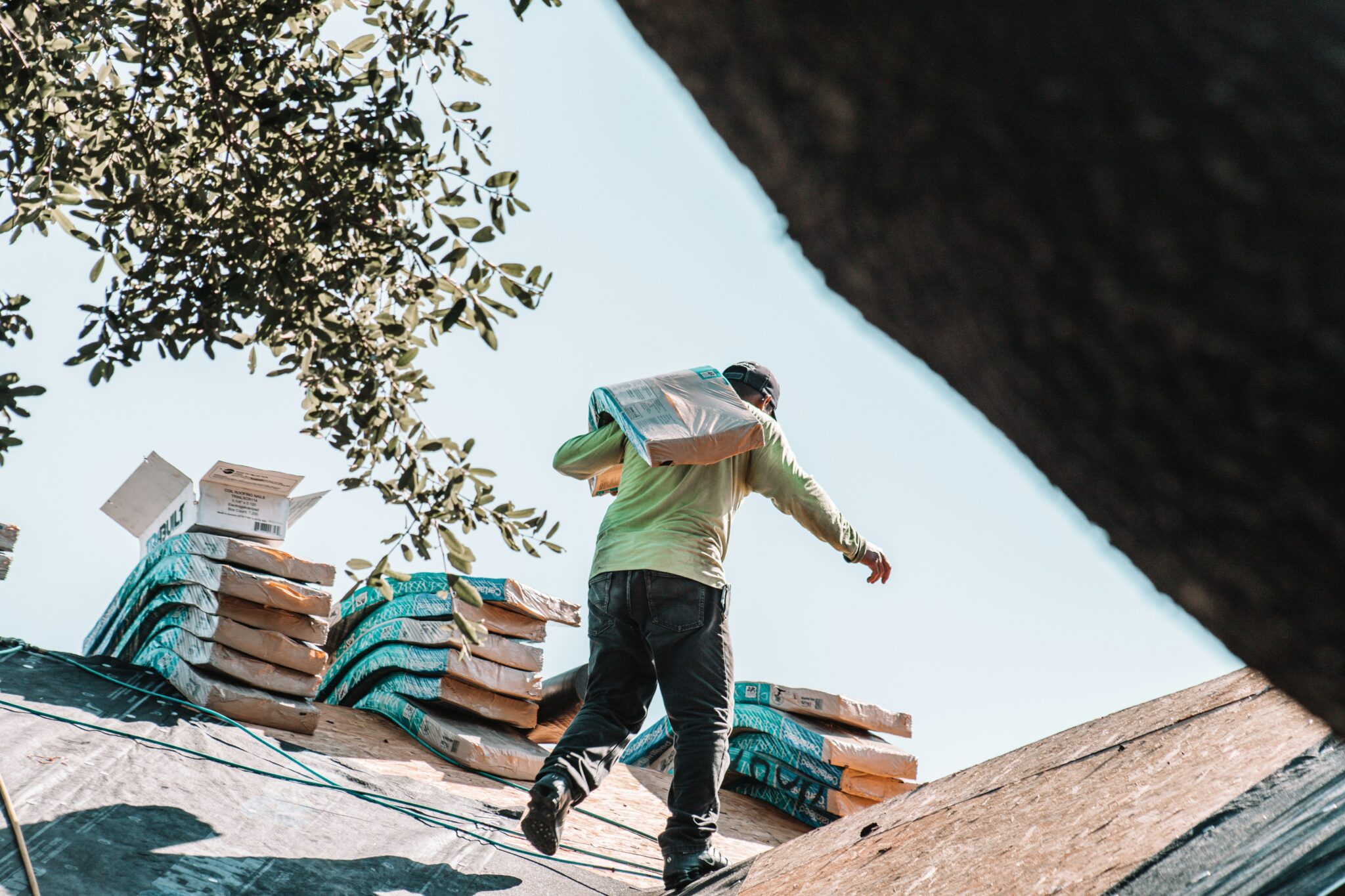
Maintaining a safe home means staying ahead of wear and tear. These new installation techniques and materials offer better protection than ever before. When you choose a modern approach, you are making a long-term investment in the safety and value of your property.