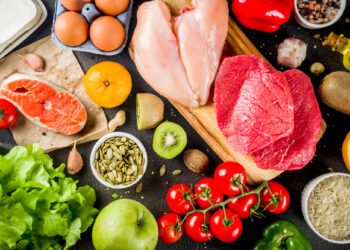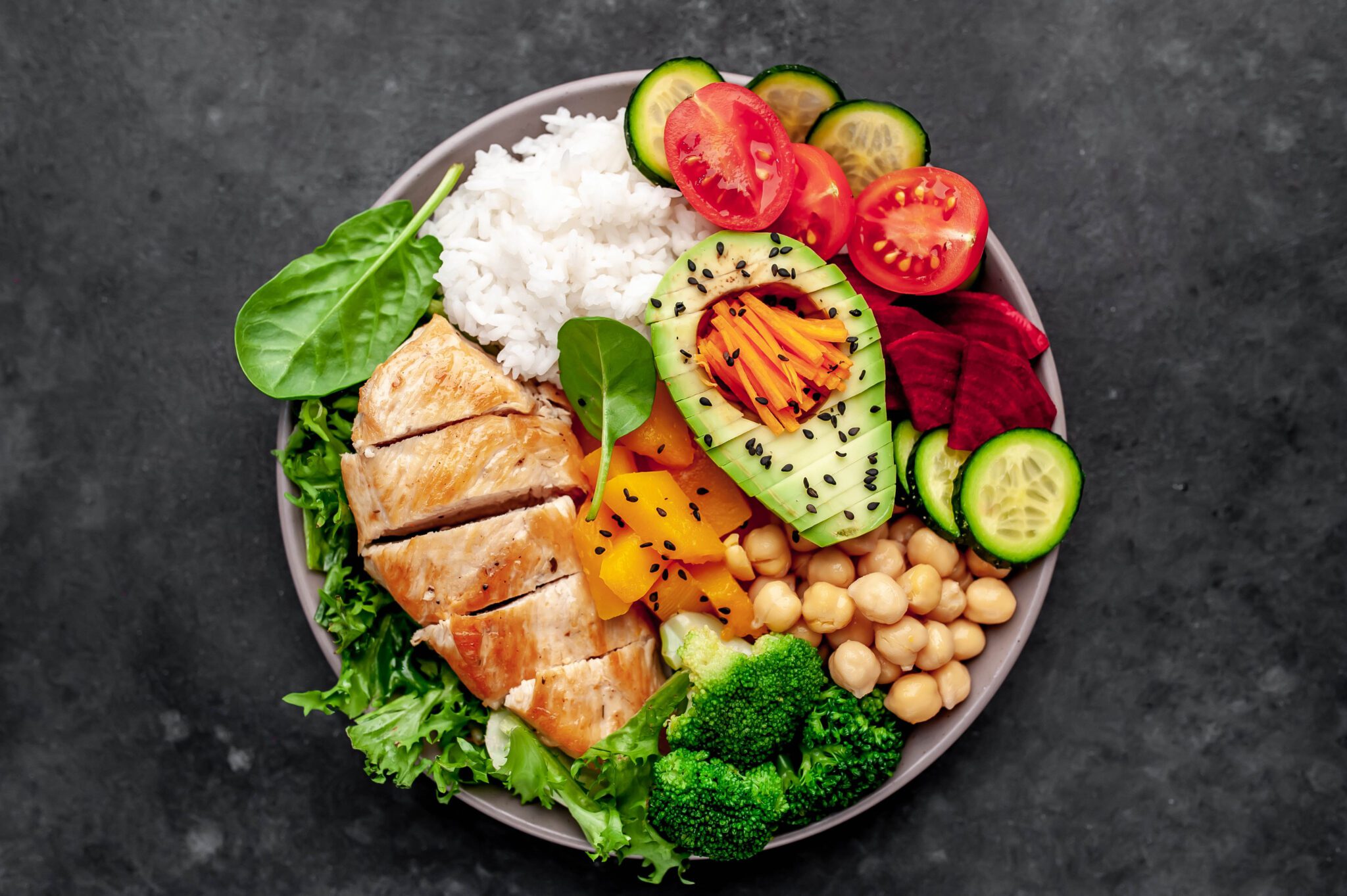
When customers select good sources of protein foods, they provide the fuel your body needs to help support strong muscles and minds. Because your body needs nutrients to repair and rebuild tissues, you’d benefit from knowing how protein works so that you can make wise food decisions. In this blog, you’ll learn how a steady high protein diet sustains energy and muscle growth in feasible ways.
1. Supports Steady Energy Levels Throughout the Day
Protein-rich meals help steady your energy levels since protein takes longer to digest than refined carbs, preventing huge spikes and falls. Always remember that this leads to feeling fuller for longer and more dialled in while doing work, training or daily activities. Plus, when you add in a high-quality protein source, such as lean meat or dairy, your body’s energy is released more slowly over time, not all at once.
2. Promotes Muscle Growth and Maintenance
When you work out and do strength-based exercises, tiny tears form in your muscle fibres, and protein helps to repair those fibres, building them back up stronger. As such, incorporating high protein meals into your day provides the body with the material it needs to build muscle. Which is to say that even if you are not training like a madman, eating enough protein can help slow the loss of muscle mass.
3. Enhances Muscle Recovery After Exercise
Following exercise, your body goes into a recovery mode to repair your damaged tissues. Eating high-protein foods after your workout helps recovery by providing the amino acids your muscles need when they’re really ready to soak them up. Furthermore, if you want to live an active lifestyle without long periods of rest between workouts, eating consistent protein throughout the day is a must.
4. Helps Manage Appetite and Reduce Cravings
High protein meals naturally increase satiety, which means you feel satisfied for longer periods and experience fewer cravings between meals. Since protein influences hormones that regulate hunger, it can help you maintain balanced eating habits without strict dieting. When you build your meals around a strong protein base, such as grilled chicken or beans, you are less likely to overeat later in the day.
5. Supports Healthy Metabolism
Your body uses energy to digest food, and protein requires more effort to break down compared to fats or simple carbohydrates. This process, often referred to as the thermic effect of food, means your body burns slightly more energy while digesting protein-rich meals. Although this is not a magic solution, it contributes to an efficient metabolism when combined with balanced nutrition and regular movement.
6. Encourages Lean Body Composition
When you combine high protein meals with resistance training, you create an environment that supports lean muscle development rather than excess fat storage. Because muscle tissue requires energy to maintain, building and preserving it can improve how your body uses calories throughout the day. Additionally, protein helps protect muscle mass during periods of reduced calorie intake.
7. Improves Overall Nutritional Balance
High protein meals often encourage you to build more balanced plates, as you naturally pair protein sources with vegetables, whole grains, and healthy fats. When you plan meals around protein, you create structure in your eating habits, which makes it easier to stay consistent. As a result, your body receives a wider range of vitamins and minerals that work together to support muscle growth.
Final Thoughts on High Protein Meals
Since your body relies on quality nutrition to perform at its best, high protein meals offer a practical way to support energy, muscle growth, and recovery. By including protein in each main meal, you provide steady fuel that helps you stay focused, strong, and satisfied throughout the day. Moreover, this approach encourages balanced eating patterns that are sustainable rather than restrictive.