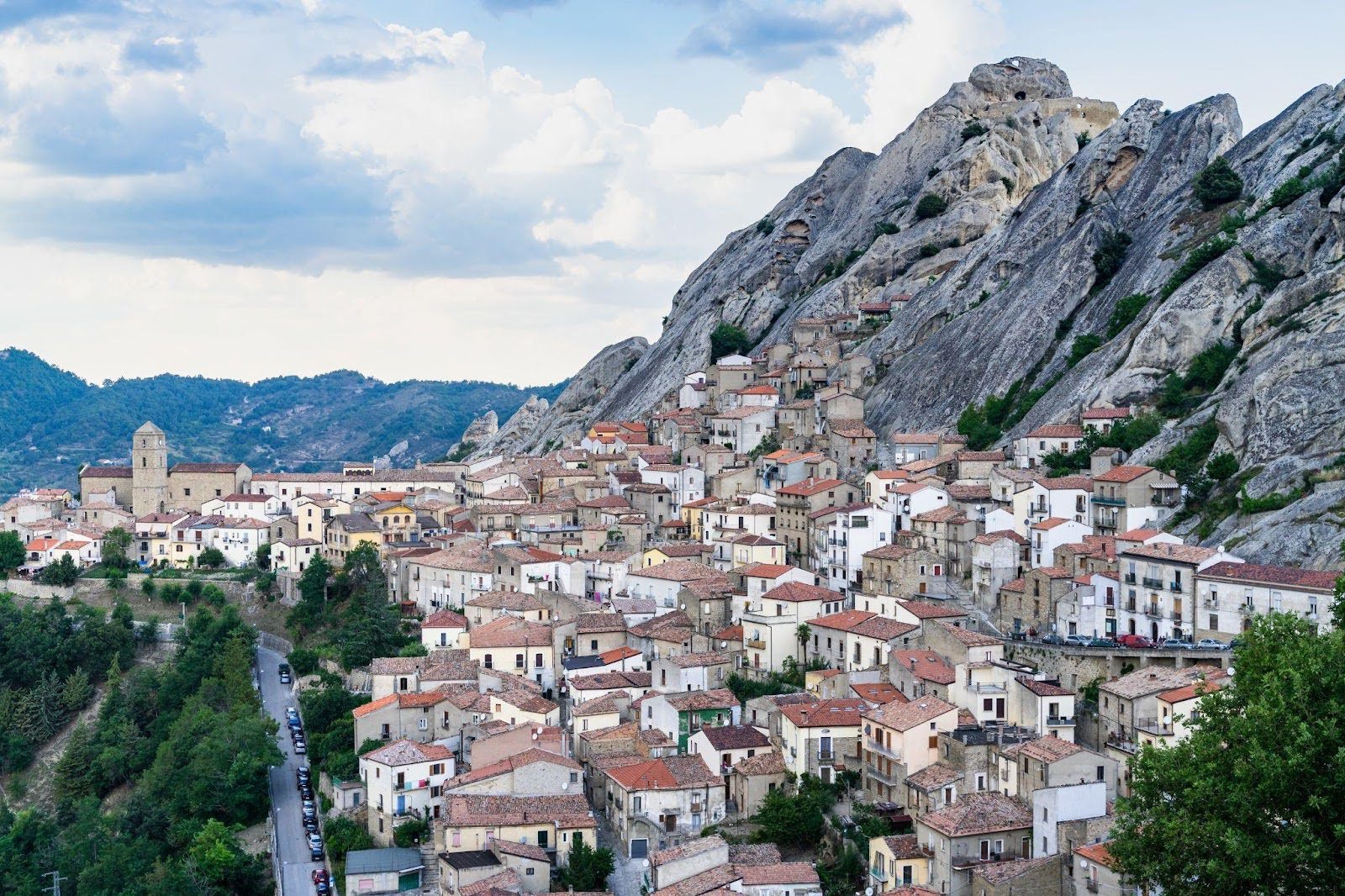
For decades, one of the Balkans’ greatest tourism strengths has been its proximity. In a single trip, travelers can explore medieval Croatian cities, Montenegrin coastlines, and Bosnian heritage towns—all within a few hours’ drive. This fluid, cross-border travel experience has become central to how the region markets itself.
But that freedom of movement may soon face its biggest test yet. In 2026, the European Union plans to fully implement new biometric border control systems that will change how non-EU travelers enter and exit the Schengen Area. While the goal is improved security and efficiency, the implications for tourism—particularly in border-heavy regions like the Balkans—are far from straightforward.
As these new rules approach, tourism operators, transport providers, and travelers are beginning to ask an uncomfortable question: will the 2026 border changes quietly reshape how people experience the Balkans?
That said, let’s discuss ahead!
A. What are the New EU Entry Rules Coming in 2026?
At the core of the upcoming changes are two systems: the Entry/Exit System (EES) and the European Travel Information and Authorization System (ETIAS). Together, they aim to modernize border control for non-EU nationals entering Schengen countries, including travelers visiting Europe with a Schengen visa.
Under the new system, travelers will be required to:
- Register biometric data such as fingerprints and facial scans.
- Have entries and exits digitally recorded.
- Undergo more detailed checks at border crossings.
For airports, this process will largely be handled through automated systems. At land borders, however—especially busy road crossings—the situation is less predictable.
Croatia, now fully within the Schengen Area, shares land borders with Montenegro and Bosnia & Herzegovina, both of which sit outside Schengen. These borders already experience congestion during peak travel months. The concern is that biometric checks could turn manageable delays into hours-long standstills.
 B. Why the Balkans are Uniquely Vulnerable to Border Slowdowns
 B. Why the Balkans are Uniquely Vulnerable to Border Slowdowns
Unlike destinations where travelers remain within one country, the Balkans thrive on multi-country itineraries. A visitor landing in Dubrovnik may:
- Spend a day on the Croatian coast.
- Drive to Kotor or Budva in Montenegro.
- Continue on to Mostar in Bosnia & Herzegovina.
This style of travel depends on relatively smooth land crossings. Even small delays can disrupt schedules, tours, and accommodation plans. The region’s geography amplifies the problem. Many border crossings sit on narrow roads with limited space for expansion. During the summer, queues already stretch for kilometers. Adding biometric processing to every non-EU passport raises real concerns about scalability.
To understand the potential impact on daily logistics, we spoke to Marko, a senior driver at Balkan Chauffeur, a leading regional transfer service that frequently connects Dubrovnik Airport (Cilipi) with Montenegrin hubs like Tivat, Kotor, and Budva.

“We already face multi-hour delays during the summer peak when crossing between Croatia and Montenegro,” Marko explains. “My concern is that the new biometric checks, unless streamlined, could push these wait times to an unbearable level. This risks limiting tourists to a single country, effectively cutting them off from the rich diversity of the region where Croatia, Montenegro, and Bosnia & Herzegovina are all within a short drive of each other.”
His concern echoes what many drivers and tour operators are quietly discussing: that increased friction at borders may discourage travelers from crossing them at all.
C. The Potential Ripple Effect on Tourism Behavior
If border crossings become more time-consuming or unpredictable, tourists may begin to change how they plan trips. Instead of building multi-country itineraries, they may choose to:
- Stay entirely within Schengen countries.
- Avoid road travel across borders.
- Limit excursions to day trips rather than overnight stays.
This shift would disproportionately affect non-Schengen destinations like Montenegro and Bosnia & Herzegovina, which rely heavily on visitors arriving via neighboring EU countries.
Small businesses—local guides, family-run hotels, and regional transport providers—could feel the impact first. Fewer cross-border trips mean fewer bookings, shorter stays, and reduced spending across the region.

D. Will the Rules Actually Improve Efficiency Over Time?
EU officials argue that biometric systems will eventually make borders faster, not slower. Once travelers are registered in the system, repeat crossings should become more streamlined.
However, the transition phase is where most concerns lie. The first few years of implementation will likely involve:
- Technical glitches.
- Inconsistent enforcement.
- Staff training challenges.
- Uneven infrastructure readiness.
For regions already operating at capacity during peak season, even temporary inefficiencies can have lasting reputational effects. Travelers remember delays—and often plan future trips accordingly.
Final Thoughts
The 2026 EU entry rules represent more than a technical upgrade. For the Balkans, they mark a turning point. If implemented thoughtfully, they could modernize borders without disrupting travel flows. If not, they risk fragmenting a region that thrives on connection.
For now, uncertainty remains. But what’s clear is that border policy and tourism are no longer separate conversations. In regions like the Balkans, they are deeply intertwined—and the outcome will shape how the region is experienced for years to come.