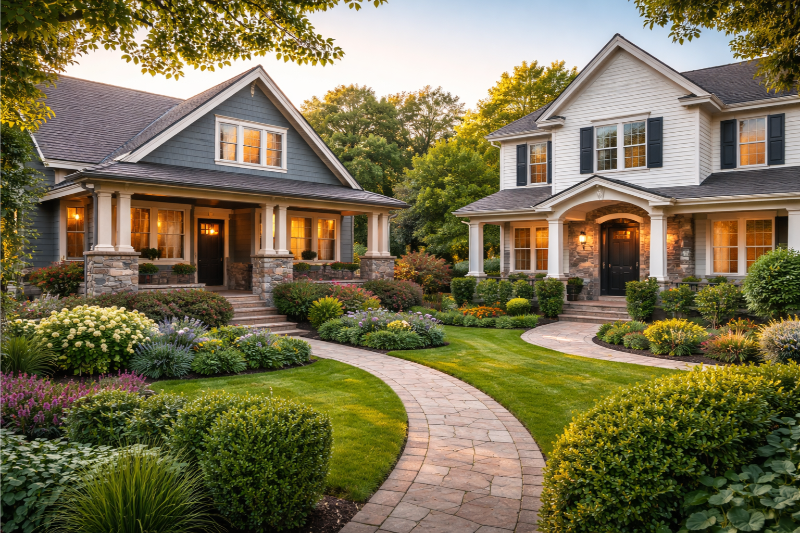
A house is more than bricks and mortar it is a long-term investment whose performance is shaped by Home Aging Factors. These factors determine whether a property maintains structural integrity, aesthetic appeal, and market value over decades or declines prematurely. From foundation quality to roofing materials, every construction decision affects how well a home withstands time, weather, and use.
Homeowners, developers, and investors often underestimate how Home Aging Factors interact. Construction methods, environmental exposure, maintenance routines, and renovation timing collectively influence durability and resale potential. A well-built home with proactive upkeep can appreciate significantly, while neglected properties may lose value despite prime locations.
Understanding Home Aging Factors helps buyers make smarter decisions, architects design resilient homes, and investors protect capital. By analyzing construction quality, material durability, climate resilience, and long-term real estate lifecycle management, you can ensure a property remains attractive, safe, and profitable for generations.
Understanding Home Aging Factors
Property longevity drivers fall into three main categories:
-
Structural durability determinants – Foundation, framing, roofing, and load-bearing systems.
-
Environmental influences – Climate, soil movement, moisture exposure, and pollution.
-
Maintenance and modernization – Repairs, upgrades, inspections, and renovations.
Moreover, these categories interact constantly. A strong foundation can fail if drainage is poor. High-quality roofing deteriorates without maintenance. Consequently, understanding the full system—not isolated components—is essential for long-term housing resilience.
Construction Quality: The Foundation of Longevity
Construction quality is arguably the most critical Home Aging Factor. Homes built with precision engineering, proper curing time for concrete, and adherence to building standards typically last longer.
Key Aspects of Construction Quality
-
Accurate site preparation
-
Skilled labor
-
Proper structural calculations
-
Quality inspection processes
-
Durable framing techniques
However, shortcuts during construction often lead to costly repairs later. Poor insulation installation can cause moisture problems, while rushed concrete curing leads to cracks. Therefore, quality during construction directly impacts lifecycle maintenance costs.
Structural Components and Lifespan
Different parts of a home age at different rates. Understanding these timelines allows proactive maintenance and protects resale value.
Structural Components and Longevity
| Component | Expected Lifespan | Maintenance Frequency | Risk if Neglected | Impact on Resale Value |
|---|---|---|---|---|
| Foundation | 80–100 years | Annual inspection | Cracks, settling, water intrusion | Very High |
| Roof | 20–50 years | Yearly inspection | Leaks, structural rot | High |
| Plumbing System | 30–70 years | Every 2–3 years | Water damage, mold | High |
| Electrical Wiring | 40–70 years | 5-year inspection | Fire risk | Very High |
| HVAC System | 15–25 years | Annual service | Poor air quality, inefficiency | Medium |
| Exterior Paint | 5–10 years | Repaint cycle | Moisture penetration | Medium |
| Windows | 20–40 years | Cleaning & sealing | Heat loss, condensation | Medium |
Consequently, homes that follow maintenance schedules maintain structural strength and market appeal.
Building Materials: Quality Matters
Material selection dramatically affects home aging. Natural stone and brick often outlast cheaper synthetic materials. Steel framing resists termites but requires rust protection.
Construction Materials Comparison
| Material Type | Durability Rating | Climate Suitability | Maintenance Cost | Long-Term Value Retention |
|---|---|---|---|---|
| Brick | High | Most climates | Low | Excellent |
| Reinforced Concrete | Very High | Hot & humid | Medium | Excellent |
| Wood Frame | Medium | Mild climates | Medium | Good |
| Steel Frame | High | Coastal & termite-prone | Medium | Very Good |
| Vinyl Siding | Medium | Dry climates | Low | Average |
| Stone | Very High | All climates | Low | Excellent |
| Asphalt Shingles | Medium | Mild climates | Medium | Average |
| Metal Roofing | High | Snow & rain-heavy | Low | Very Good |
Moreover, climate compatibility is crucial. Wood siding in humid environments deteriorates faster, while concrete performs well in hot regions. Therefore, choosing materials suited to local conditions improves longevity.
Architectural Design and Longevity
Architectural design influences both structural performance and aesthetic aging. Classic designs often age better than overly trendy styles.
Design Principles That Improve Longevity
-
Balanced proportions
-
Functional layouts
-
Efficient drainage systems
-
Proper ventilation
-
Sunlight optimization
However, poor design choices can cause problems like water pooling, overheating, or structural stress. Consequently, thoughtful architectural planning is a major Home Aging Factor.
Foundation Strength and Soil Conditions
The foundation supports the entire home. Soil composition, drainage, and seismic activity affect stability.
Common Foundation Issues
-
Soil expansion and contraction
-
Water infiltration
-
Poor compaction
-
Tree root damage
Therefore, homes built on stable soil with proper drainage systems age significantly better. Regular inspections detect cracks early, preventing costly structural repairs.
Roofing Systems and Weather Protection
Roofing is a home’s first defense against environmental damage. Materials, slope, and insulation determine durability.
Roofing Factors
-
Material type
-
Ventilation quality
-
Drainage efficiency
-
Insulation performance
Moreover, regular cleaning of gutters and timely shingle replacement prevents leaks and mold growth. In humid coastal regions, mold testing in San Diego can provide an added safeguard by detecting moisture-related issues that may not yet be visible. Consequently, proactive roofing care enhances long-term housing resilience.
Plumbing Infrastructure and Hidden Risks
Plumbing systems often age unnoticed until major damage occurs. Because leaks and corrosion develop silently, problems may remain hidden for years.
Plumbing Longevity Tips
-
Replace galvanized pipes
-
Inspect joints regularly
-
Install pressure regulators
-
Monitor water quality
However, outdated plumbing can reduce resale value significantly. Buyers often request repairs or discounts if plumbing risks exist.
Climate Exposure and Environmental Impact
Environmental conditions are powerful Home Aging Factors. Homes in humid coastal areas face corrosion and mold, while desert homes endure extreme heat cycles.
Environmental Stressors
-
Humidity
-
UV radiation
-
Wind storms
-
Flooding risk
-
Air pollution
Consequently, climate-adapted construction methods—such as raised foundations or UV-resistant roofing—improve property longevity drivers.
Maintenance Consistency: The Hidden Multiplier
Maintenance routines amplify or weaken all other Home Aging Factors.
Essential Maintenance Practices
-
Annual inspections
-
Roof cleaning
-
HVAC servicing
-
Plumbing checks
-
Exterior sealing
Moreover, preventive maintenance costs far less than major repairs. Therefore, consistent upkeep is one of the strongest structural durability determinants.
Renovation Decisions and Long-Term Value
Renovations can improve or harm property longevity.
Smart Renovation Strategies
-
Upgrade insulation
-
Modernize plumbing and wiring
-
Replace outdated roofing
-
Improve energy efficiency
However, cosmetic renovations without structural upgrades may hide deeper issues. Consequently, renovation planning should prioritize safety and durability before aesthetics.
Technological Upgrades and Smart Monitoring
Today, technology plays an increasingly important role in real estate lifecycle management. Moreover, smart monitoring tools allow homeowners to track structural performance in real time. As a result, small issues can be fixed before they become expensive problems.
Useful Smart Systems
-
Leak detection sensors
-
Structural monitoring devices
-
Smart thermostats
-
Moisture monitoring tools
In addition, these technologies provide early warnings about hidden risks such as pipe leaks or foundation movement. Consequently, modern monitoring systems reduce long-term repair costs and improve property longevity drivers.
How Home Aging Factors Affect Resale Value?
Homes that are consistently maintained usually command higher prices and sell faster. Furthermore, buyers prefer properties that show clear evidence of responsible ownership.
Buyers Look For
-
Updated systems
-
Strong foundation
-
Energy efficiency
-
Quality materials
-
Maintenance records
Because of this, investors who understand Home Aging Factors can maximize returns while minimizing unexpected expenses. Likewise, documented upkeep builds trust during negotiations.
Preventative Care Strategies
Long-term housing resilience depends heavily on preventative maintenance. Instead of reacting to damage, proactive care preserves structural durability and appearance.
Annual Checklist
-
Inspect roof and gutters
-
Check foundation cracks
-
Test plumbing pressure
-
Clean HVAC filters
-
Seal exterior gaps
Additionally, keeping detailed maintenance records reassures buyers and strengthens resale value. Over time, consistent upkeep becomes one of the strongest structural durability determinants.
The Future of Home Aging Factors Beyond 2026
Innovation continues to reshape property longevity drivers. Not only are sustainable materials improving durability, but climate-resilient design and smart monitoring systems are redefining long-term housing resilience.
Emerging Trends
-
Self-healing concrete
-
Carbon-neutral building materials
-
Solar-integrated roofing
-
Smart structural sensors
-
AI-based maintenance alerts
For example, flood-resistant foundations and heat-reflective roofing will become standard in many regions. Consequently, homes built with these innovations will age more gracefully than those using outdated methods. Meanwhile, developers who adopt advanced technologies early will gain a competitive edge. Therefore, understanding evolving Home Aging Factors is essential for future-proof housing strategies.
Final Thoughts
Thoughtful design, high-quality construction, durable materials, and consistent maintenance explain why some homes age better than others. In addition, environmental conditions, renovation timing, and technology upgrades shape long-term performance.
By understanding Home Aging Factors, homeowners, architects, and investors can protect structural integrity, maintain visual appeal, and increase resale value. Ultimately, long-term planning—not short-term savings—determines which homes remain strong for decades.
FAQ: Home Aging Factors
1. When is the best time to renovate?
Ideally, upgrades should happen when systems approach the end of their lifespan. As a result, proactive renovation prevents emergency repairs.
2. How does climate affect home aging?
Weather exposure accelerates material wear. For instance, humid climates require mold-resistant materials, while hot regions benefit from UV-resistant roofing.
3. How often should inspections be done?
Annual inspections work well for most homes. However, older properties may need semi-annual checks for plumbing, roofing, and electrical systems.
4. Do insurance policies depend on home condition?
Yes. Insurers evaluate roof age, wiring safety, and plumbing updates. Therefore, well-maintained homes often receive better coverage terms.
5. How can resale planning improve longevity?
Maintaining records, upgrading key systems, and improving energy efficiency increase buyer confidence. Consequently, these steps boost property value over time.