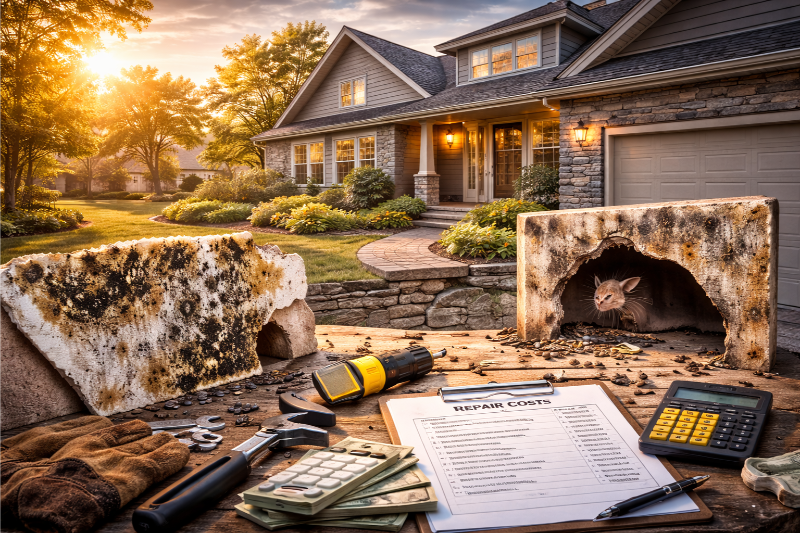
Many homeowners assume property value declines only during market downturns. In reality, value erosion often begins quietly, long before a “For Sale” sign ever goes up. Hidden Home Costs small, overlooked issues and financial liabilities—can steadily drain equity without obvious warning signs. Deferred maintenance, inefficient systems, and unnoticed structural problems compound over time, transforming manageable repairs into major value killers.
Moreover, these hidden costs rarely appear on monthly budgets. A slow plumbing leak behind a wall, aging insulation, or minor foundation shifts may not disrupt daily life, but they silently undermine property integrity. Consequently, by the time homeowners address them, repair costs are higher and resale value is already compromised.
For homeowners, investors, and first-time buyers alike, understanding Hidden Home Costs is critical for protecting long-term equity. Preventative awareness and proactive management are often the difference between preserving value and suffering avoidable depreciation.
Why Hidden Home Costs Are So Dangerous?
Unlike visible damage, hidden costs operate in the background. They do not demand immediate attention, which allows problems to worsen unchecked. Over time, silent maintenance expenses lead to:
-
Reduced appraisal values
-
Failed inspections
-
Higher insurance premiums
-
Lower buyer confidence
Therefore, Hidden Home Costs represent one of the most underestimated real estate depreciation triggers.
Water Damage: The Most Expensive Silent Threat
Water damage is among the most destructive and expensive hidden costs. Minor leaks under sinks, behind appliances, or inside walls often go unnoticed for months or even years.
Common consequences include:
-
Mold growth
-
Structural rot
-
Electrical hazards
-
Foundation weakening
Moreover, once water damage is discovered during an inspection, buyers frequently demand steep price reductions. Consequently, unmanaged moisture issues severely impact resale appeal.
Foundation Cracks and Structural Shifts
Small foundation cracks often appear harmless, yet they can signal deeper structural instability. Settlement issues, soil movement, or water infiltration can all worsen foundation integrity.
Hidden Home Costs linked to foundations include:
-
Expensive structural repairs
-
Financing complications
-
Long-term stability concerns
Because foundation problems carry stigma, even repaired issues can reduce buyer confidence.
Outdated Electrical Systems and Safety Risks
Electrical systems degrade over time. Older wiring, overloaded panels, or outdated outlets may not fail immediately, but they present significant safety and compliance risks.
These hidden issues can:
-
Increase fire hazards
-
Violate modern building codes
-
Limit appliance upgrades
Consequently, outdated electrical systems often surface during inspections, forcing sellers into costly last-minute upgrades.
Poor Insulation and Energy Loss
Inefficient insulation quietly increases utility costs while reducing comfort. Drafty homes signal energy inefficiency, a growing concern among modern buyers.
Hidden Home Costs tied to insulation include:
-
Higher heating and cooling bills
-
Reduced energy ratings
-
Lower buyer interest
Moreover, energy inefficiency compounds over time, draining household budgets and long-term equity.
Roof Neglect and Deferred Maintenance
Roofing issues rarely announce themselves loudly. Missing shingles, flashing damage, or aging materials may remain hidden until leaks appear.
Neglected roofs result in:
-
Interior water damage
-
Mold growth
-
Lower appraisal scores
Therefore, roof neglect is one of the most costly silent maintenance expenses homeowners face.
Pest Infestations: Damage You Don’t See
Termites, rodents, and insects can cause extensive structural damage before homeowners notice any signs. Pest infestations are particularly dangerous because damage often occurs behind walls or beneath floors.
Hidden Home Costs from pests include:
-
Structural repairs
-
Mandatory treatments
-
Disclosure-related resale issues
Once documented, pest history can permanently affect buyer perception.
HOA Penalties and Compliance Costs
For homeowners in managed communities, HOA penalties represent a non-physical yet impactful hidden cost. Missed fees, violations, or special assessments can quickly escalate.
These financial liabilities:
-
Accumulate interest and penalties
-
Appear during title checks
-
Reduce net sale proceeds
Consequently, HOA-related costs are often overlooked until late in the selling process.
Property Tax Reassessments and Rising Liabilities
Property taxes can quietly rise due to reassessments, renovations, or municipal changes. While gradual, these increases affect affordability and buyer calculations.
Hidden Home Costs tied to taxation include:
-
Reduced buyer pool
-
Higher carrying costs
-
Lower investment returns
Investors especially must account for these long-term equity risks.
Common Hidden Home Costs Breakdown
Common Hidden Home Costs
| Issue Type | Average Repair Cost | Impact on Resale Value | Warning Signs | Prevention Strategy |
|---|---|---|---|---|
| Water damage | $2,000–$15,000 | Very High | Musty odors | Leak inspections |
| Foundation cracks | $5,000–$30,000 | Very High | Uneven floors | Early evaluation |
| Electrical issues | $3,000–$10,000 | High | Flickering lights | System upgrades |
| Poor insulation | $1,500–$6,000 | Medium–High | High energy bills | Energy audits |
| Roof neglect | $7,000–$20,000 | High | Missing shingles | Annual inspections |
| Pest infestations | $2,000–$8,000 | Medium–High | Droppings, damage | Preventative treatments |
How Small Problems Compound Into Major Losses?
Hidden Home Costs rarely act alone. A roof leak leads to insulation damage, which creates mold, which lowers air quality and triggers insurance issues. This compounding effect accelerates property value erosion.
Therefore, ignoring small issues is not cost-saving—it is cost-multiplying.
Financial Impact: Fix Now or Pay Later
Financial Impact Scenarios
| Scenario | Immediate Fix Cost | Long-Term Equity Loss | Buyer Perception Impact |
|---|---|---|---|
| Minor leak repaired early | $500 | Minimal | Neutral |
| Leak ignored 2 years | $8,000 | $15,000+ | Negative |
| Roof repaired proactively | $9,000 | Low | Positive |
| Roof failure before sale | $20,000+ | $30,000+ | Very Negative |
These comparisons highlight how Hidden Home Costs silently destroy equity when neglected.
Buyer Psychology and Market Competitiveness
Buyers today are informed and cautious. Inspection reports, energy scores, and maintenance history heavily influence offers.
Hidden issues:
-
Trigger renegotiations
-
Increase buyer skepticism
-
Extend time on market
Consequently, even minor undisclosed problems reduce market competitiveness.
Insurance Gaps and Coverage Limitations
Many homeowners assume insurance covers all damage. However, insurers often deny claims related to deferred maintenance.
Hidden Home Costs often fall outside coverage, leaving homeowners fully exposed financially.
The Future: Preventing Hidden Home Costs Beyond 2026
Technology is reshaping how homeowners manage risk. Smart leak detectors, energy monitoring systems, and predictive maintenance tools are becoming mainstream.
Additionally, climate resilience upgrades—such as flood-resistant materials and enhanced insulation—will play a growing role in protecting equity.
Therefore, proactive homeowners who embrace technology and preventative strategies will be best positioned to defend against Hidden Home Costs in the years ahead.
Conclusion: Awareness Is Equity Protection
Hidden Home Costs do not announce themselves, but their impact is undeniable. Deferred maintenance, unnoticed structural issues, and overlooked financial liabilities quietly destroy property value over time.
By identifying risks early, budgeting proactively, and prioritizing maintenance, homeowners can protect equity, improve resale outcomes, and preserve long-term value.
Ultimately, awareness is the most powerful defense against property value erosion.
FAQ: Hidden Home Costs
When should inspections be done?
Annually, and always before listing a property for sale.
How should homeowners budget for hidden costs?
Set aside 1–3% of home value annually for preventative maintenance.
Should renovations come before maintenance?
No. Maintenance preserves value; renovations enhance it.
Does insurance cover hidden damage?
Often not. Deferred maintenance is usually excluded.
How do hidden costs affect resale timing?
They delay sales, reduce offers, and increase negotiation pressure.