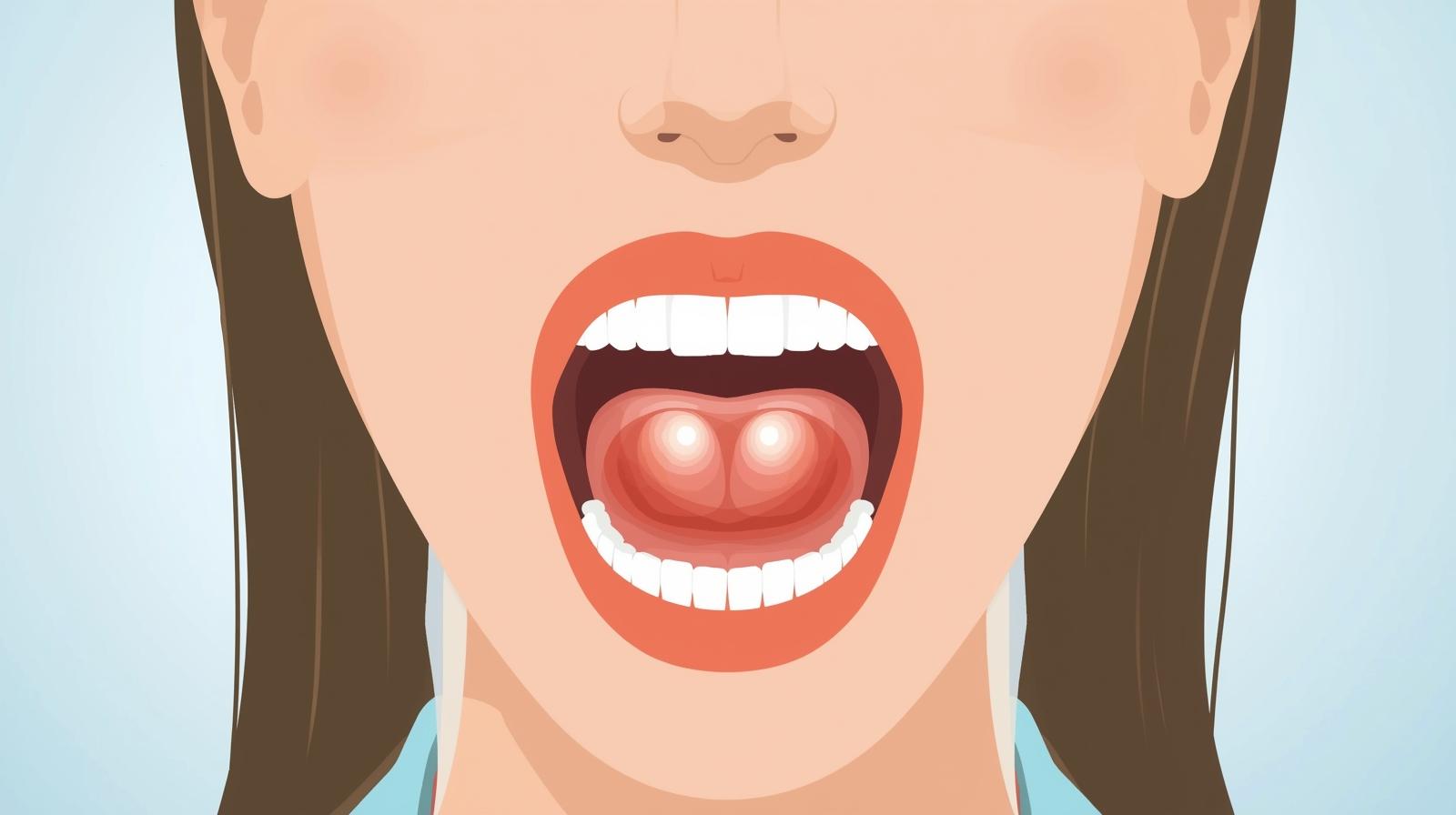
Tonsil stones, also known as tonsilloliths, are a common but often misunderstood condition that affects the tonsils. They appear as small, hardened deposits lodged in the crevices of the tonsils and can cause discomfort, irritation, or persistent bad breath. Understanding what causes tonsil stones, along with their symptoms and risk factors, helps in managing and preventing them effectively.
When tonsil stones become painful, recurrent, or are accompanied by swelling or fever, seeking evaluation at an emergency room, Amarillo. TX can help rule out infection and guide appropriate treatment.
Symptoms of Tonsil Stones
The symptoms of tonsil stones can range from mild to more noticeable, depending on the size and number of stones present. Some people may have tonsil stones without any symptoms at all.
- Persistent bad breath (halitosis)
- White or yellowish lumps visible on the tonsils
- Sore throat without clear signs of infection
- Feeling of something stuck in the throat
- Difficulty or discomfort when swallowing
- Ear pain due to shared nerve pathways
- Tonsil inflammation or redness
- Metallic or unpleasant taste in the mouth
If tonsil stones cause significant discomfort, difficulty swallowing, or persistent bad breath, seeking timely emergency care can ensure proper evaluation and relief.
Causes of Tonsil Stones
There are several reasons why tonsil stones develop. The most common causes of tonsil stones are linked to the structure of the tonsils, oral hygiene, and underlying health conditions. Understanding these causes can help prevent recurrence and guide proper management.
1. Deep Tonsil Crypts
Some people naturally have deeper tonsil crypts than others. These folds and pockets provide ideal spaces for food particles, dead cells, and bacteria to accumulate. Because debris can get trapped easily, it may remain in the tonsils for extended periods, increasing the chance of calcification. Deep crypts can also make it harder for normal saliva flow or swallowing to naturally remove debris, making stones more likely to form repeatedly.
2. Poor Oral Hygiene
Inadequate brushing, flossing, or tongue cleaning allows bacteria and food particles to remain in the mouth. Over time, this buildup can reach the tonsils, creating a sticky environment for stone formation. Plaque and bacterial overgrowth contribute to the formation of calcified deposits, and failure to maintain oral hygiene can make stones larger or more frequent. Regular dental care, including tongue scraping and rinsing, helps reduce the risk of tonsil stones.
3. Chronic Tonsillitis
Repeated inflammation or infection of the tonsils can enlarge crypts and increase mucus production. Chronic tonsillitis makes the tonsils more prone to trapping debris and bacteria, accelerating the formation of stones. Individuals with frequent throat infections often notice recurrent stones because the inflamed tonsillar tissue produces more material that can calcify over time. Prompt treatment of tonsillitis may reduce the risk of tonsil stone development.
4. Postnasal Drip
Excess mucus draining from the sinuses into the throat carries bacteria, dust, and small food particles to the tonsils. This sticky mucus often settles in the crypts and gradually hardens, forming tonsil stones. Allergies, sinus infections, and colds can increase postnasal drip, making stone formation more likely. Managing nasal congestion and sinus health can help prevent debris accumulation in the tonsils.
5. Bacterial Overgrowth
Certain bacteria in the mouth produce sulfur compounds, which not only contribute to bad breath but also accelerate tonsil stone formation. These bacteria feed on trapped debris and create a mineral-rich environment, causing calcification. Over time, bacterial activity can increase the size of the stones and make them more noticeable. Good oral hygiene and antibacterial mouth rinses may help control bacterial growth and reduce risk.
6. Dehydration
Insufficient fluid intake reduces saliva production, which normally helps wash away food particles, dead cells, and bacteria from the mouth and tonsils. When saliva is low, debris tends to linger longer, giving it time to harden into tonsil stones. Dehydration can also make mucus thicker and stickier, increasing the likelihood of stone formation. Staying well-hydrated helps keep tonsils clean and reduces the risk of recurring stones.
When to Seek Medical Care
You should consult a healthcare professional if you experience:
- Frequent or worsening sore throat
- Recurrent tonsil stones that cause pain
- Difficulty swallowing or breathing
- Signs of infection such as fever or severe swelling
- Persistent bad breath despite good oral hygiene
Prompt evaluation helps determine the best treatment approach and prevents complications.
Key Takeaways
- Tonsil stones are calcified deposits that form in the tonsil crypts from trapped food, bacteria, mucus, and dead cells.
- Poor oral hygiene, chronic tonsillitis, postnasal drip, bacterial overgrowth, deep tonsil crypts, and dehydration are common causes of tonsil stones.
- Symptoms include bad breath, visible white or yellow lumps on the tonsils, sore throat, difficulty swallowing, and a feeling of something stuck in the throat.
- Maintaining good oral hygiene, staying hydrated, and managing sinus or allergy issues can help prevent tonsil stone formation.