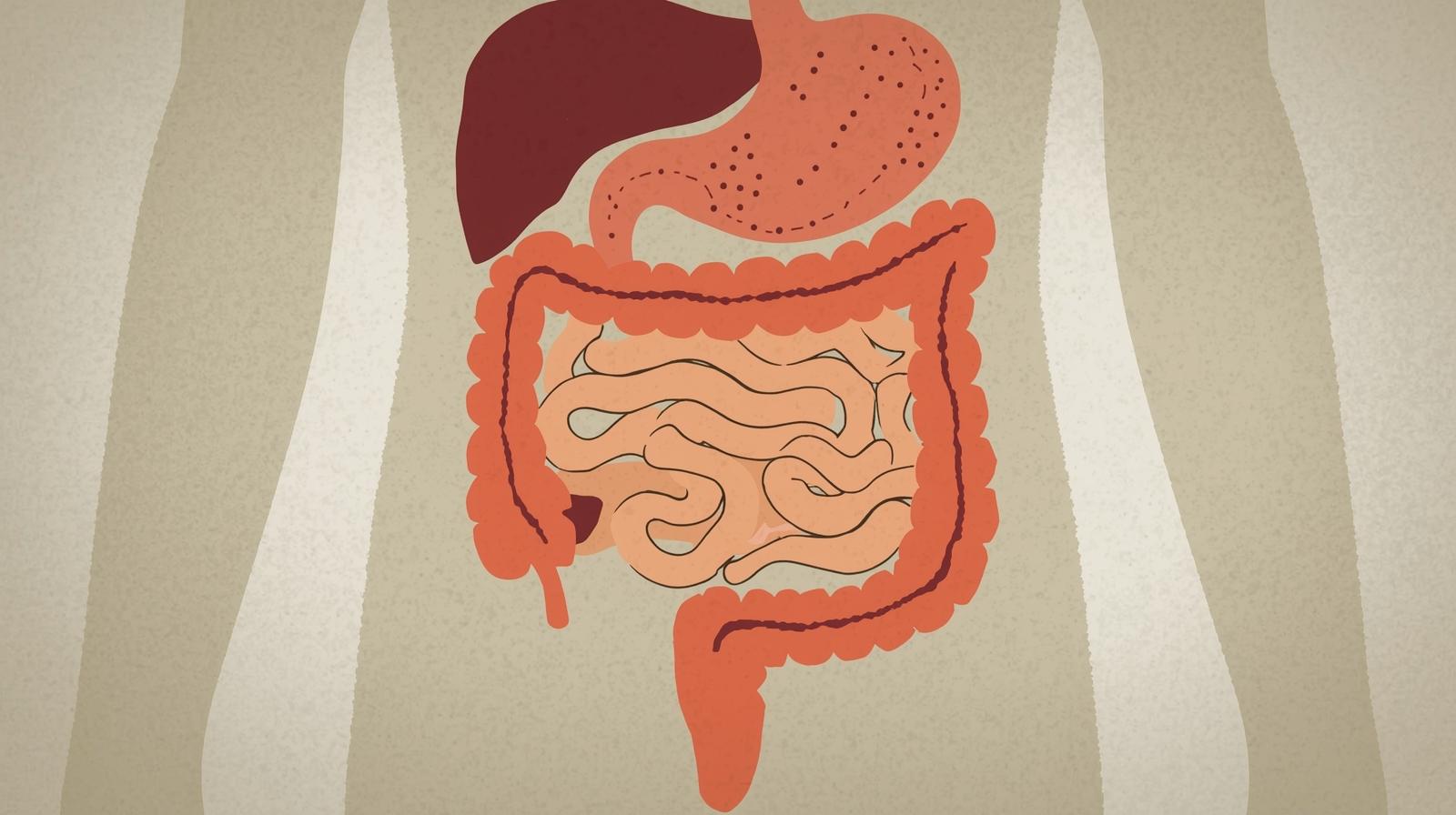
Dehydration can both result from and contribute to diarrhea. When the body lacks adequate fluids, the digestive system may be affected, leading to changes in gut motility, water absorption, and electrolyte balance. This can worsen stool consistency, causing loose or watery bowel movements. Dehydration may occur due to insufficient water intake, prolonged sweating, vomiting, or diarrhea itself. In severe cases, dehydration can make diarrhea more frequent and dangerous. Maintaining hydration with water and electrolyte-rich fluids helps support normal digestive function and prevent worsening symptoms.
For severe or persistent diarrhea, visiting Lumberton Hospital is recommended for proper evaluation.
Symptoms of Dehydration Related Diarrhea
Diarrhea caused or worsened by dehydration may come with other physical signs, including:
- Loose or watery stools
- Frequent or urgent bowel movements
- Abdominal cramps or bloating
- Nausea or vomiting
- Fatigue, dizziness, or lightheadedness
If diarrhea becomes severe or is accompanied by intense dehydration symptoms, some individuals may search for an emergency room near me to ensure fast medical care.
How Does Dehydration Cause Diarrhea
Dehydration affects the body’s digestive system through multiple mechanisms. A lack of fluids can disrupt the balance of electrolytes, reduce water absorption in the intestines, and impair normal digestive motility. Understanding these mechanisms can help prevent worsening diarrhea and support recovery.
Electrolyte Imbalance
When the body is dehydrated, essential electrolytes like sodium, potassium, and magnesium drop. These minerals are critical for muscle and nerve function, including the smooth muscles of the intestines. Low electrolyte levels can cause:
- Reduced water absorption in the gut, making stools looser
- Increased intestinal cramping and abdominal discomfort
- Weakness, fatigue, and risk of dizziness due to systemic electrolyte imbalance
Maintaining electrolyte balance through oral rehydration solutions or electrolyte-rich fluids can help restore normal gut function.
Reduced Fluid Absorption in the Intestines
Dehydration limits the intestines’ ability to absorb water efficiently, leading to watery stools. This lack of absorption also worsens fluid loss from diarrhea, creating a feedback loop. Additional impacts include:
- Increased urgency and frequency of bowel movements
- Potential imbalance in nutrient absorption, affecting energy levels
- Aggravation of pre-existing gut irritation, prolonging diarrhea
Drinking small, frequent sips of water or rehydration solutions can improve absorption gradually.
Impaired Digestive Motility
A dehydrated state can alter the natural contractions of the intestinal muscles, causing irregular or faster bowel movements. This disruption in motility can make diarrhea more severe. Effects include:
- Faster transit of food through the gut, reducing nutrient absorption
- Increased abdominal cramping and discomfort
- Heightened sensitivity to triggers like certain foods or medications
Gentle dietary modifications, such as soft, easily digestible foods, can help the intestines regain normal motility.
Increased Gut Sensitivity
Dehydration may heighten the gut’s sensitivity to irritants, foods, or medications. The intestines become more reactive, triggering diarrhea even with mild stimuli. Common outcomes include:
- Abdominal bloating and cramps
- Loose or watery stools even after small meals
- Greater discomfort after consuming spicy, fatty, or high-fiber foods
Rehydration combined with a bland diet can reduce gut sensitivity and relieve discomfort.
Immune System Impact
Chronic dehydration weakens gut immunity, leaving the intestines vulnerable to infections or irritants that can trigger diarrhea. This can increase the frequency and severity of symptoms. Additional effects include:
- Longer recovery time from infections or stomach bugs
- Greater susceptibility to gut inflammation
- Increased risk of secondary complications like fever or fatigue
Maintaining adequate hydration supports immune function and gut resilience.
Feedback Loop: Diarrhea and Dehydration
Diarrhea itself causes fluid loss, which can worsen dehydration, creating a cyclical problem. This loop can intensify symptoms if not addressed promptly. Consequences include:
- Continuous watery stools that further deplete fluids and electrolytes
- Heightened fatigue, weakness, and dizziness
- Increased risk of hospitalization if dehydration becomes severe
Breaking this cycle early with proper hydration and electrolyte replenishment is critical for recovery.
When to Seek Medical Care
Although mild dehydration-related diarrhea can often be managed at home, medical attention is necessary if:
- Diarrhea lasts more than a few days without improvement
- Signs of dehydration appear, including dizziness, dry mouth, dark urine, or extreme thirst
- Severe abdominal pain or cramping occurs
- Blood or mucus appears in the stool
- Fever or other concerning symptoms develop
Prompt evaluation at a medical facility may be necessary to prevent complications and restore proper hydration.
Key Takeaways
- Dehydration can cause or worsen diarrhea by affecting electrolyte balance, water absorption, gut motility, and gut sensitivity.
- Symptoms include loose stools, abdominal cramps, bloating, nausea, and fatigue.
- Mild cases can improve with adequate hydration, electrolyte replacement, and dietary adjustments.
- Persistent, severe, or complicated diarrhea should be evaluated by a healthcare professional.
- Maintaining proper fluid intake is essential to prevent dehydration-induced diarrhea and support digestive health.
- Early recognition of dehydration and proper management can break the cycle and prevent complications.