Sensitive eyes require special care, especially for those who love to wear false lashes. Many people experience redness, itching, or watering after they apply lashes, which makes the beauty routine less enjoyable. Natural lashes made from human or animal hair work best for sensitive eyes because they contain fewer irritating chemicals and synthetic materials that can trigger reactions.
The right choice of false lashes can make all the difference between a comfortable, beautiful look and hours of discomfort. People with sensitive eyes often struggle to find products that look good without causing problems. Natural lashes offer a gentle alternative that provides volume and length while protecting delicate eyes from harsh materials and adhesives.
This guide covers everything needed to select the perfect natural lashes for sensitive eyes. It explores key factors like materials, adhesives, and lash styles that work for people prone to irritation. Readers will learn how to identify quality products and avoid common mistakes that lead to eye problems.
Important Considerations for Choosing Natural Lashes for Sensitive Eyes
People with sensitive eyes need to focus on specific factors like material quality, adhesive ingredients, and proper testing methods to avoid discomfort and irritation. The right choices can make the difference between a pleasant experience and one that causes redness or pain.
Key Features of Natural Lashes for Sensitive Eyes
Natural lashes made from human or animal hair provide better comfort than synthetic options. These materials feel softer and lighter on the eyelids. Comfortable natural lashes reduce the risk of irritation because they mimic real lash texture.
Quality natural lashes should have a flexible band that bends easily along the lash line. A soft, thin band puts less pressure on sensitive skin. The weight matters too since heavy lashes can strain natural lashes and cause discomfort.
Look for lashes with tapered ends rather than blunt cuts. Tapered tips appear more realistic and feel gentler against the skin. Full strip lashes work for some people, but individual clusters give more control over placement and weight distribution. The lash length should match natural lash proportions to avoid pulling or stress on the eye area.
Identifying and Understanding Sensitive Eyes
Sensitive eyes react to irritants more easily than typical eyes. Common symptoms include redness, itching, watering, and a burning sensation. These reactions can happen due to allergies, dry eye conditions, or naturally delicate skin around the eye area.
People who wear contact lenses often experience more sensitivity. Environmental factors like dust, smoke, and pollen can worsen these symptoms. Those who have eczema or rosacea tend to develop eye sensitivity as well.
Recognizing the triggers helps in making better product choices. Anyone who experiences frequent eye discomfort should consult with an eye doctor before trying false lashes. Understanding personal sensitivity levels allows for smarter decisions about lash types and application methods.
Selecting Materials and Adhesives for Safety
The adhesive poses the biggest risk for sensitive eyes. Latex-free formulas prevent common allergic reactions. Formaldehyde and certain preservatives can trigger irritation, so avoid these ingredients completely.
Choose adhesives labeled as hypoallergenic and designed for sensitive skin. Low-fume options reduce eye watering and burning sensations during application. Clear adhesives blend better and often contain fewer harsh chemicals than black versions.
Natural lash materials include mink, silk, and human hair. Mink provides a soft, feathery texture but may not suit those with animal allergies. Silk lashes offer a middle ground between synthetic and natural options. Human hair lashes rarely cause allergic reactions and hold their shape well. Always check product labels for material composition and avoid anything with unknown or questionable ingredients.
Importance of Patch Testing New Products
A patch test identifies potential reactions before full application. Apply a small amount of lash adhesive to the inner wrist or behind the ear. Wait 24 to 48 hours and watch for any redness, swelling, or itching.
The test reveals sensitivities that might not be obvious otherwise. Even products labeled hypoallergenic can cause reactions in some individuals. Skipping this step can lead to serious eye irritation that takes days to heal.
For lash materials, place a single lash against the outer corner of the eye for a few hours. This shorter test shows how the eye responds to the lash weight and texture. Anyone with a history of severe allergies should extend the testing period and monitor symptoms carefully. Taking this extra time protects eye health and prevents uncomfortable situations.
Best Types and Styles of Natural Lashes for Sensitive Eyes
Certain lash styles and product types work better for people with sensitive eyes. Wispy designs, gentle adhesives, and quality brands can reduce irritation while still providing a natural look.
Wispy Lashes and Lightweight Styles
Wispy lashes offer a soft, feathered appearance that puts less weight on delicate eyelids. These styles feature tapered ends and varied lash lengths that create a natural effect without heaviness. The lighter construction means less stress on the lash line, which helps prevent discomfort during wear.
Strip lashes with thin, flexible bands adapt better to different eye shapes. They sit comfortably without gaps or lifting at the corners. Cluster lashes provide another option for those who prefer customized placement. A lash clusters kit allows you to apply small groups of lashes exactly where you want extra volume.
Individual clusters give you control over the final look. You can place them at the outer corners for a subtle lift or space them across the lash line for fuller coverage. This method works well if you want to avoid a full strip but still add definition.
Magnetic lashes eliminate the need for traditional glue. The magnets hold the lashes in place without sticky adhesives that can trigger reactions. However, some people find magnets heavier than regular strips, so test different weights before committing to one style.
Recommended Lash Brands and Products
Several brands focus on comfort and safety for sensitive eyes. Ardell Naked Lashes 420 features a barely-there band and natural fibers that blend well with real lashes. The style adds subtle length without obvious volume, which suits daily wear.
Kiss Looks So Natural lashes use ultra-light fibers and a thin band. The brand designs these lashes to mimic real lash patterns, so they appear less artificial. Multiple pairs come in each package, which makes them budget-friendly for regular use.
Goddvenus lash clusters come in various lengths and curl types. These individual bundles let you build your preferred style section by section. The soft fibers feel gentle against the eyelid and require less adhesive than full strips.
Onlyall natural lashes provide synthetic options made from hypoallergenic materials. These lashes avoid common irritants found in lower-quality products. They also maintain their shape after several uses, so you get more value from each pair.
Look for products labeled as hypoallergenic or tested for sensitive skin. Read ingredient lists on both the lashes and adhesive to avoid known allergens.
Application and Care Tips for Long-Term Comfort
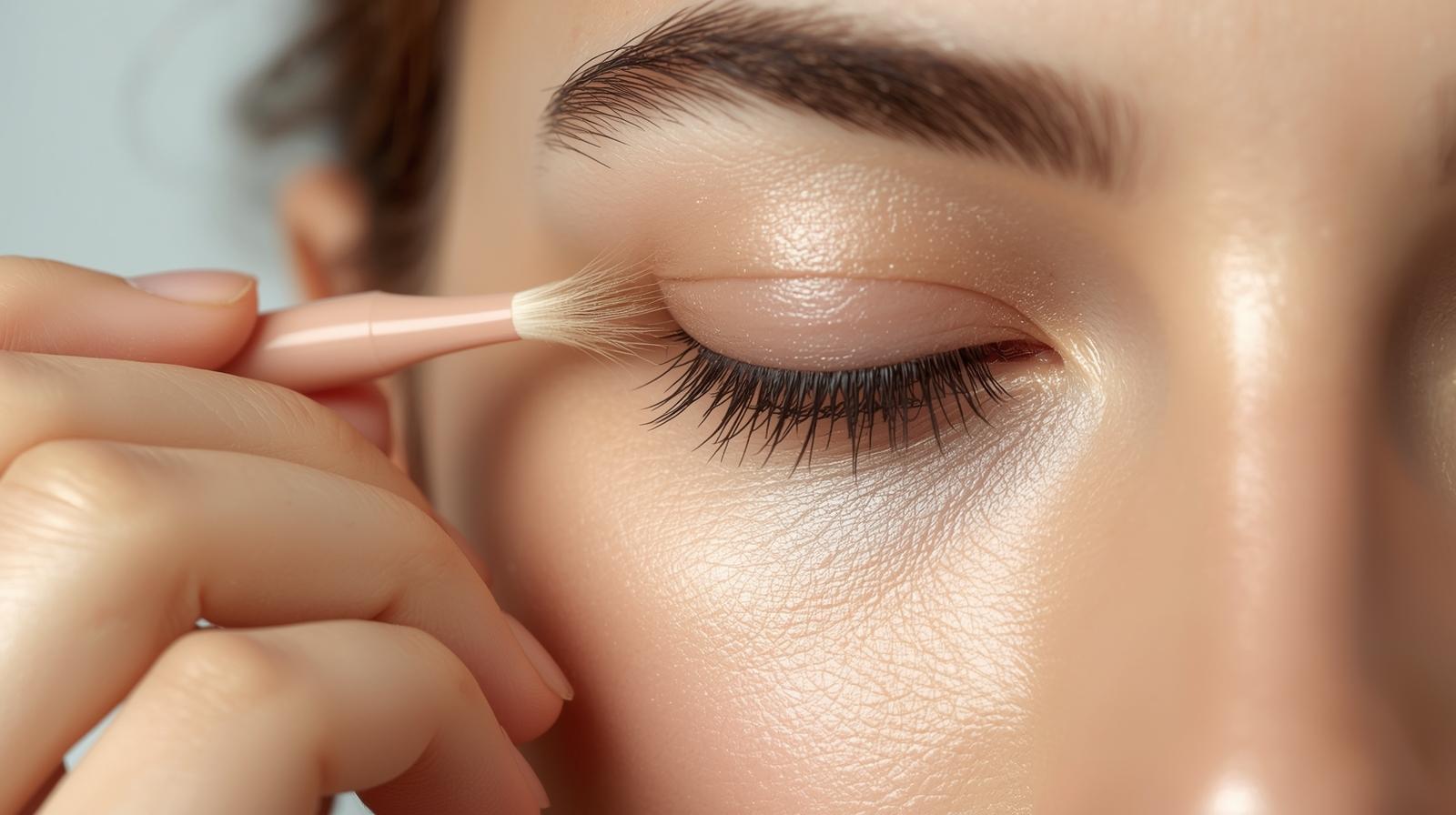
Proper application reduces the chance of irritation. Measure the lash strip against your eye before applying glue. Trim excess length from the outer edge if needed to prevent poking or rubbing.
Use a small amount of adhesive designed for sensitive eyes. Wait 30 seconds after applying the glue to let it become tacky. This step helps the lashes stick better and prevents wet glue from dripping into your eyes.
Place the lash band as close to your natural lash line as possible without touching the eyeball. Press gently along the entire band to secure it. Avoid pulling or tugging, which can irritate the skin.
Remove lashes carefully at the end of the day. Soak a cotton pad with oil-free makeup remover and hold it against the lash band for a few seconds. Peel the lashes off slowly from the outer corner inward. Never yank them off quickly, as this can damage your natural lashes.
Clean reusable lashes after each wear. Peel off dried adhesive with tweezers and wipe the band with a gentle cleanser. Store them in their original case to maintain their shape. Regular cleaning helps strengthen lashes by preventing buildup that can harbor bacteria.
Replace disposable lashes according to package directions. Even reusable pairs should be discarded if they show signs of damage or loss of shape. Fresh lashes reduce the risk of eye infections and guarantee consistent comfort.
Conclusion
People with sensitive eyes can wear natural lashes if they choose the right products and take proper care. High-quality materials like human hair or soft synthetic fibers work best for delicate eyes. The adhesive matters just as much as the lashes themselves, so a hypoallergenic formula free from harsh chemicals helps prevent irritation.
Natural lashes offer a safe way to add volume and length without the discomfort that comes from poor-quality products. Those who follow simple guidelines about materials, application methods, and proper removal can enjoy beautiful lashes without putting their eye health at risk.