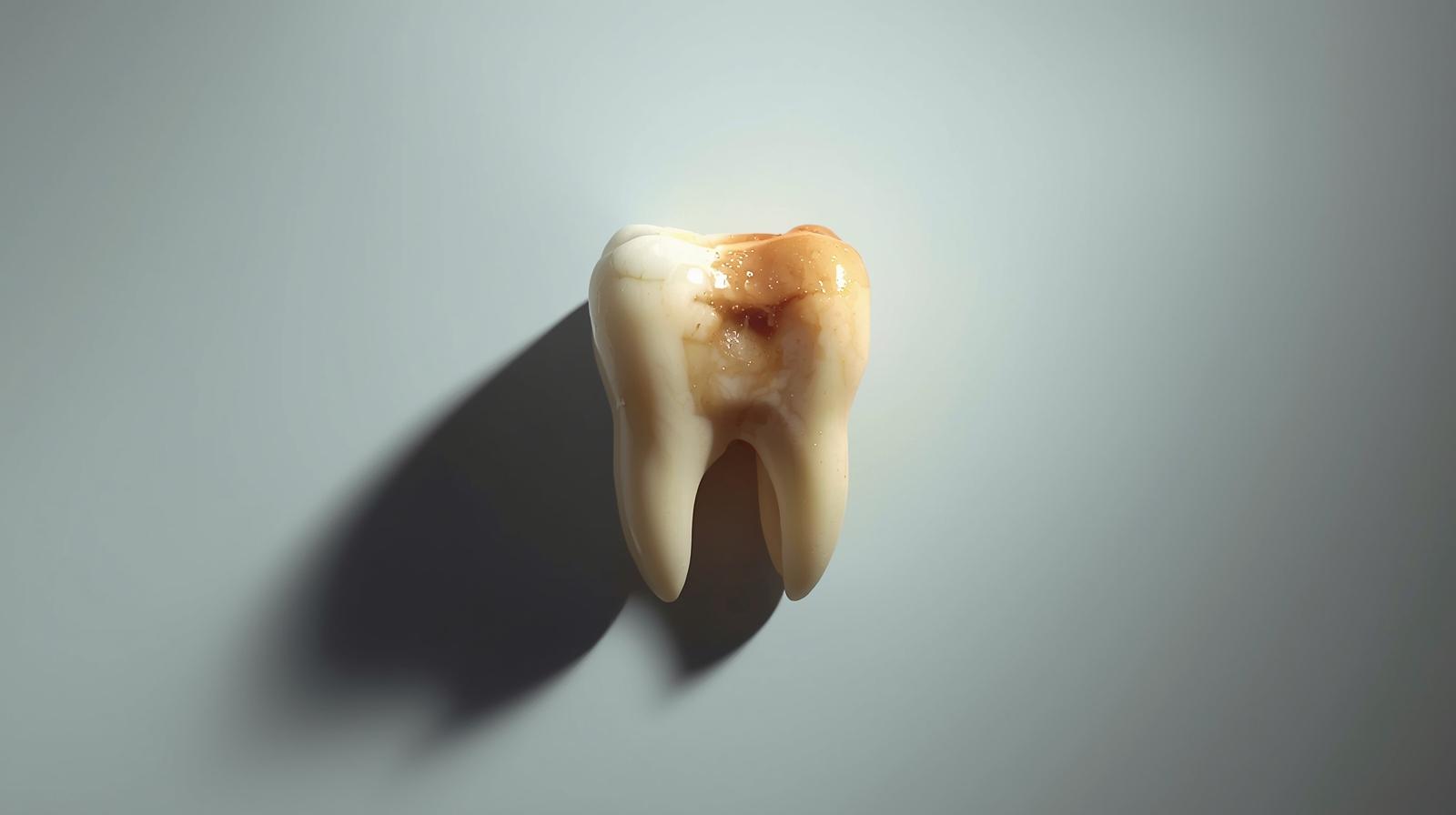
Toothaches can catch anyone off guard. At first, the pain may feel like a small irritation, maybe after a long day or a sip of something cold. But when the ache keeps coming back, especially at night or when chewing, it often points to a deeper dental problem, not just sensitivity.
Many people try to push through the pain with painkillers, hoping it will disappear. This may help for a short time. However, when medicine no longer brings real relief, it is often a sign that the tooth needs proper treatment, not just temporary comfort.
Whether it is a badly decayed tooth, an infection, or a wisdom tooth trapped under the gums, spotting the signs early can help prevent bigger problems later. In some cases, seeking timely dental care, such as the removal of a wisdom tooth, can help prevent more serious complications, protecting both daily comfort and long term oral health.
When Pain Doesn’t Fade Away
Persistent Pain Beyond A Few Days
Not all tooth pain feels the same. A dull ache that sticks around for days, even after taking common pain medicine, may point to a deeper issue, not just mild irritation. This type of pain often suggests tooth decay or nerve involvement. It is no longer just the outer layer reacting to hot or cold, but the inside of the tooth sending a warning.
When pain pulses or worsens at night, or starts to spread toward the jaw, it is often a sign of infection or inflammation inside the tooth. If left untreated, this can lead to swelling or an abscess. While painkillers may take the edge off, they do not fix the cause or stop the problem from getting worse.
Sensitivity That Doesn’t Go Away
Feeling some sensitivity after a cold drink or sweet treat is common. However, pain that lingers long after the trigger is gone is not. When a tooth stays sore after heat or cold, it may mean the enamel has worn down or the inner pulp is irritated.
This kind of sensitivity often develops slowly. Many people begin avoiding certain foods without realizing they are covering up a growing issue. If the discomfort keeps returning, seeking professional care early can prevent further damage and more intense pain later on.
Swelling Or Gum Tenderness
Another warning sign many people miss is swelling near the sore tooth or tenderness in the gums. When the gums feel puffy, sore, or painful to touch, it often points to an infection under the surface. These signs usually become more noticeable over time and can make chewing uncomfortable or even painful. If it keeps worsening, a South Gate dental checkup can help confirm what’s driving the swelling and what treatment makes sense.
Ignoring gum swelling can allow bacteria to spread further, which may affect nearby teeth or the bone that supports them. A professional dental check helps determine the right treatment, whether that means a deep cleaning, a root canal, or removing the tooth to stop the problem from getting worse.
When Pain Is Linked To Pressure Or Motion
Pain When Chewing Or Biting
Sometimes, pain only shows up when you bite into food. It may begin as a small sting and then turn into a sharp pain when you bite down. This kind of pain often points to a cracked tooth or a problem with the tooth nerve. Even if the crack cannot be seen, pressure from chewing can reach the sensitive inner part of the tooth each time the jaw moves.
Pain relief medicine bought at the pharmacy may help for a short time, but the pain usually comes back if the tooth is not treated. Getting dental care early helps stop the crack from getting worse or turning into an infection.
Discomfort In The Jaw Or Ear Area
A common surprise for many people is that tooth pain does not always stay in the tooth. Pain from a trapped wisdom tooth or a deep cavity can spread to the jaw, ear, or even the head. This happens because the nerves in the mouth are closely linked to these areas.
If someone notices jaw stiffness or pain that spreads when opening the mouth, the cause may be dental rather than muscle related. Taking action early helps protect the nearby tissues and nerves and reduces the risk of infection or ongoing discomfort.
When A Tooth Affects Overall Wellbeing
Swelling Of The Face Or Neck
Facial swelling can be scary, and it is often a serious sign that a tooth infection has spread. This happens when bacteria move past the gums and into deeper tissue. It may begin as slight swelling on one side of the face but can worsen quickly if ignored.
In situations like this, professional care is essential. Treatment may include antibiotics and dental procedures such as drainage or tooth removal to stop the infection from spreading further. What starts as a small tooth problem can become a medical emergency if left untreated.
Fever Or General Fatigue
When a dental issue begins to affect overall energy or wellbeing, it often means the body is fighting an infection. A mild fever, constant tiredness, or swollen glands under the jaw can appear. Painkillers may ease discomfort for a short time, but they do not fix the real cause.
This is the body’s way of asking for help. Seeing a dental professional early not only relieves pain but also protects overall health and prevents serious complications.
Seeking Long-Term Relief
Knowing when painkillers are no longer enough is important. Ongoing tooth pain, swollen gums, or pressure that spreads to the jaw or face should not be brushed off as normal discomfort. These are signs that something deeper is wrong and needs attention from a dental professional. In many situations, treatments such as wisdom tooth extraction or focused dental care can restore comfort, function, and peace of mind.
Pain relief medicine only hides the problem for a short time. Real healing starts when the true cause of the pain is found and treated. Choosing to visit a trusted dentist early helps protect every tooth and prevents small issues from becoming bigger problems later.