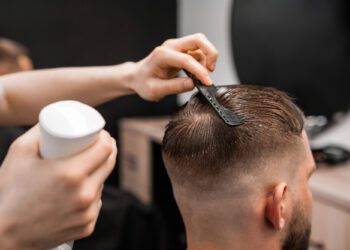
Walking into a barbershop should feel confident, not stressful. Yet many men leave with a haircut that does not match what they had in mind. The issue is rarely talent. It is usually communication. Knowing how to explain what you want, using the right references and language, helps your barber deliver a haircut that fits your style, hair type, and lifestyle. This guide breaks down exactly how to do that.
If you are looking for a reliable haircut grand haven, understanding how to communicate clearly will help you get consistent results every visit.
How do I communicate my hairstyle ideas clearly to my barber?
The best way to communicate your hairstyle ideas is to prepare visual references, understand basic barber terms, explain your lifestyle needs, and give feedback during the haircut so adjustments can be made in real time.
Key Takeaways
- Most bad haircuts come from unclear communication, not barber skill
- Preparing photos and preferences before visiting a barbershop makes a big difference
- Using simple barber terminology helps align expectations
- Speaking up during the haircut prevents unwanted surprises
- Choosing the right barbershop in Grand Haven improves consistency and results
Why Haircut Miscommunication Happens
Most haircut issues start before the clippers turn on. Clients often describe results they want, while barbers think in techniques. Words like short, clean, or tight mean different things to different people. Add in variations in head shape, hair texture, and growth patterns, and misunderstandings happen quickly.
Another common issue is assumption. Many men expect their barber to remember exactly what was done last time. Barbers may remember the general style but not every detail. Clear communication each visit prevents guesswork.
Action step: Assume nothing. Treat every haircut like a new conversation, even with a regular barber.
Know What You Want Before You Sit in the Chair
A good haircut starts before you walk into the barbershop. Taking a few minutes to think through your preferences gives your barber clear direction.
Clarify Your Goal, Not Just the Style
Instead of naming a trendy cut, explain how you want your hair to function day to day.
- Low maintenance or styled with product
- Professional look or relaxed casual
- How often you plan to get haircuts
These details help your barber adjust length, blending, and shape.
Understand Your Hair Type
Your hair’s natural behavior matters.
- Straight, wavy, or curly
- Thick or fine
- Cowlicks or uneven growth
A style that works for someone else may need adjustment for you.
Use Photos Correctly (Most Men Get This Wrong)
Photos are one of the best tools you can bring, but only if used properly. Many men show a single image of a model with a different hair type and expect identical results.
The goal of photos is inspiration, not duplication. They show direction, not a guarantee.
Best Practices for Showing Photos
- Bring two to three photos from different angles
- Choose people with similar hair type and density
- Point out what you like, such as the sides, top length, or neckline
Avoid saying, “I want exactly this.” Instead say, “I like the length on top and the clean sides.”
What to Say (and What Not to Say) During Your Haircut
Silence is not always helpful. Barbers expect feedback, especially during longer cuts.
If something feels off early, it is easier to adjust then than at the end.
Helpful Phrases
- “Can we keep a little more weight on the sides?”
- “That feels shorter than I expected, can we slow it down?”
- “I like the top length, let’s keep it there.”
Phrases to Avoid
- “Just do whatever.”
- “Same as last time,” without explanation.
Action step: Speak up politely and early. It shows collaboration, not criticism.
Why Choosing the Right Barbershop Matters
Even perfect communication cannot fix a poor fit between client and barbershop. Skill level, experience, and consultation style vary widely.
A quality barbershop focuses on listening first, then cutting. In Grand Haven, places like Jude’s Barbershop emphasize consultation, consistency, and understanding local clients’ lifestyles.
Building a relationship with one barber creates better long term results. They learn how your hair grows and what works best for you.
First-Time Haircut Checklist for Men
Before your next visit, run through this quick checklist:
- Photos saved on your phone
- Preferred length on top and sides
- Maintenance expectations
- Styling product use
- Willingness to speak up during the cut
Action step: Use this list before every new barber or new style.
Frequently Asked Questions
1. How do I explain a fade to my barber?
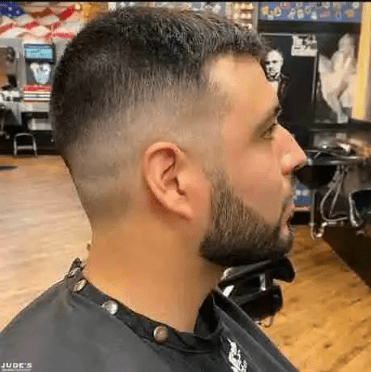
Tell them if you want a low, mid, or high fade and how tight you want it at the bottom.
2. Is it okay to tell my barber I do not like something?
Yes. Polite, specific feedback helps your barber adjust before finishing.
3. How do I know if a haircut suits my face shape?
Ask your barber. They are trained to balance proportions based on head and face shape.
4. Should I talk during my haircut?
Talking is fine, but pause when your barber asks questions about the cut.
5. How often should men get a haircut?
Most men benefit from a haircut every three to five weeks, depending on style.
6. What if my barber misunderstands me?
Clarify immediately. Early correction prevents disappointment.
Conclusion
Getting the haircut you want is not about luck. It comes down to preparation, clear communication, and choosing the right barbershop. When you understand your preferences, bring helpful references, and speak your barber’s language, results improve dramatically.
If you are ready for a better experience, start by choosing a barbershop that values consultation and consistency. Your next haircut should feel intentional, not uncertain.