Coffee is one of the most beloved beverages in the world. From its ancient origins to the modern specialty coffee movement, this humble bean has shaped cultures, inspired conversations, and become a key part of daily routines for millions. In this blog post, we’re diving into the world of Coffee — what it is, how it’s made, why people love it, and how you can explore your own coffee journey. Whether you’re a casual sipper or a budding aficionado, there’s something here for you.
What Is Coffee?
At its core, coffee is a drink made from the roasted seeds of the Coffea plant. These seeds are commonly referred to as coffee beans. The coffee plant thrives in tropical climates near the equator, often in lush mountainous regions. The beans are harvested, processed, roasted, ground, and then brewed to create the familiar, rich, and aromatic drink many of us reach for every day.
Coffee can vary widely in flavor depending on many factors, including where it’s grown, how it’s processed, how dark it’s roasted, and how it’s brewed. This variety is one reason why coffee is so fascinating — no two cups need ever be exactly the same.
A Brief Journey Through Coffee’s History
The story of coffee begins centuries ago. According to legend, coffee was discovered by an Ethiopian goat herder named Kaldi, who noticed his goats became unusually energetic after eating the red cherries from a certain tree. From Ethiopia, Best African Coffee Beans gained recognition as coffee spread to the Arabian Peninsula, where it was cultivated and traded. By the 15th century, coffee was being grown in Yemen and had become a staple in Middle Eastern culture.
Coffee houses soon emerged as social hubs where people gathered to discuss ideas, politics, and the day’s events. These early cafes laid the groundwork for coffee culture as we know it today. By the 17th century, coffee had spread to Europe and later to the Americas, securing its place in global history.
Coffee Varieties: Arabica vs. Robusta
One of the key things to know about coffee is that there are different species of coffee beans, but two dominate the coffee world: Arabica and Robusta.
Arabica
Arabica beans are known for their smooth, complex flavors and aromatic qualities. They tend to have higher acidity and more nuanced taste profiles, ranging from fruity and floral to sweet and chocolatey. Arabica is generally considered higher quality and is the choice of many specialty coffee roasters.
Robusta
Robusta beans are hardier and easier to grow at lower altitudes. They contain more caffeine and often have a stronger, more bitter flavor with earthy or nutty notes. Robusta is frequently used in instant coffee and espresso blends to add body and crema.
How Coffee Is Made: From Farm to Cup
Understanding the journey from plant to cup can deepen your appreciation for coffee. Here’s a simplified look at how coffee gets from the farm to your mug:
1. Growing and Harvesting
Coffee plants are grown in tropical regions around the world, commonly referred to as the “Coffee Belt.” The beans are actually seeds found inside the coffee cherry. When the cherries are ripe, they’re harvested either by hand or by machine.
2. Processing
Once harvested, the beans must be separated from the fruit. This is done through either the washed process, which uses water to remove the fruit, or the natural process, where the cherries dry in the sun before the beans are extracted. Each method affects the flavor of the beans.
3. Roasting
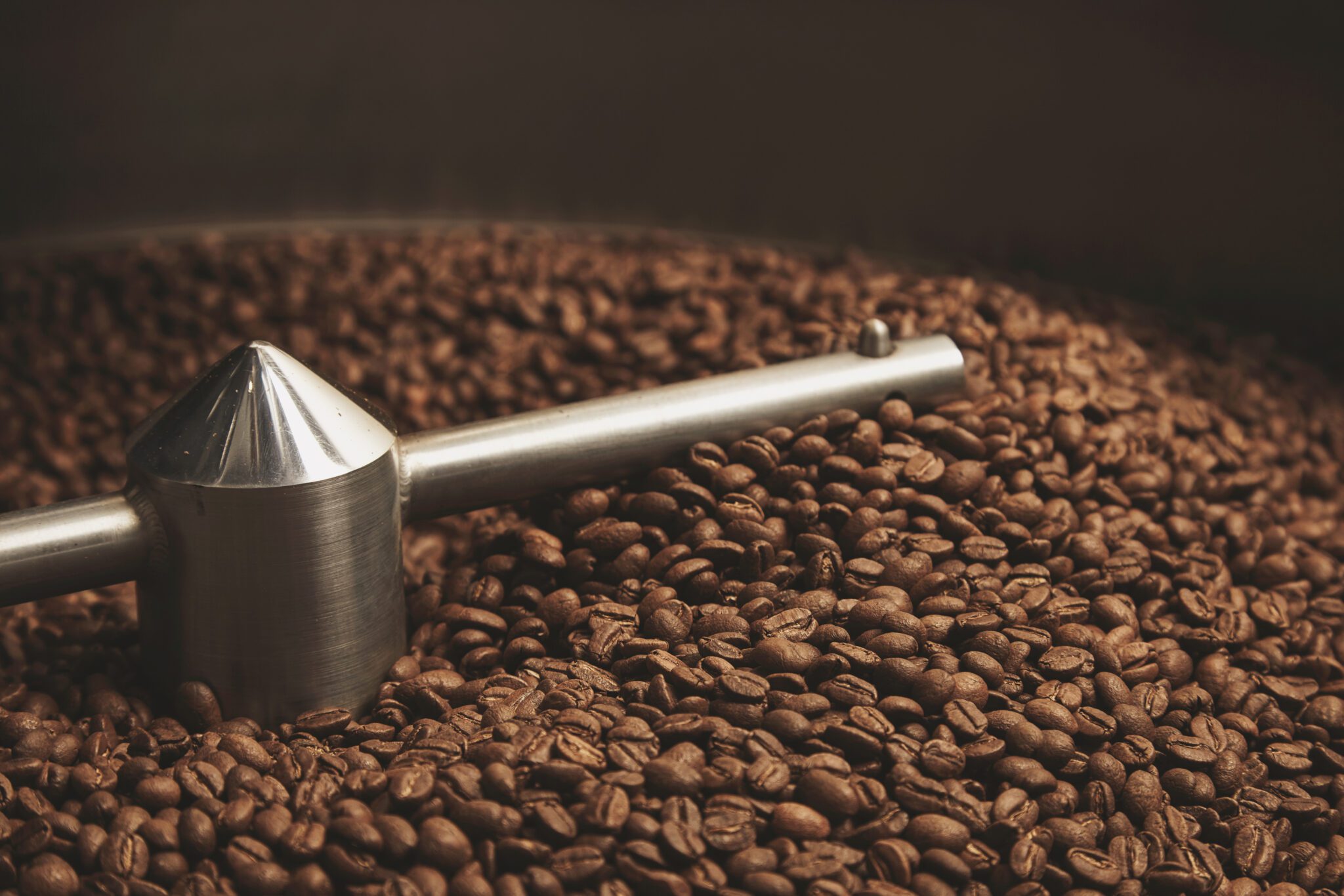
Green coffee beans are roasted to develop flavor. Light roasts retain more of the bean’s original characteristics and acidity, while dark roasts develop deeper, smokier flavors. Roasters carefully control temperature and time to bring out the best qualities in each bean.
4. Grinding and Brewing
After roasting, the beans are ground to the appropriate consistency for brewing. Different brewing methods — such as espresso, pour-over, French press, and cold brew — require different grind sizes and techniques. The way coffee is brewed has a huge impact on taste and strength.
Exploring Coffee Flavors
Coffee lovers often describe flavors using terms like acidity, body, aroma, and aftertaste. These characteristics can vary dramatically based on bean origin, roast level, and brewing style.
- Acidity refers to the bright, tangy sensations in coffee.
- Body describes the weight or thickness of the coffee on your palate.
- Aroma is the smell, which greatly influences taste.
- Aftertaste is the flavor that lingers after you swallow.
Try tasting different beans from various regions — such as Ethiopia, Colombia, or Indonesia — to discover how origin affects flavor.
Brewing at Home: Simple Tips
You don’t need fancy equipment to make great coffee at home, but a few simple practices can elevate your brew:
- Use fresh, whole beans and grind them just before brewing.
- Measure your coffee and water for consistency.
- Use clean, filtered water.
- Experiment with grind size and brewing time to find your preferred taste.
Conclusion: Enjoy the Journey
Coffee isn’t just a drink — it’s a global culture, a personal ritual, and an art form. From the vibrant farms where beans are grown to the careful hands that roast and brew, each cup tells a story. Whether you enjoy a quick espresso shot or a slow pour-over on a lazy morning, taking time to appreciate coffee can make each sip more meaningful.
So the next time you pour a cup, think about where it came from, how it was made, and what flavors you can discover. Coffee is more than a routine — it’s an adventure in a mug.