In the custom manufacturing economy, differentiation is no longer defined merely by what you can make—but by the quality you can deliver consistently. For personalized studios working with bespoke metal signage, luxury furniture, and high-end automotive components, surface quality has become the decisive factor in pricing power and long-term growth.
As the market shifts from novelty-driven orders to quality-driven demand, forward-looking entrepreneurs are reassessing an often-overlooked capability: surface cleaning.
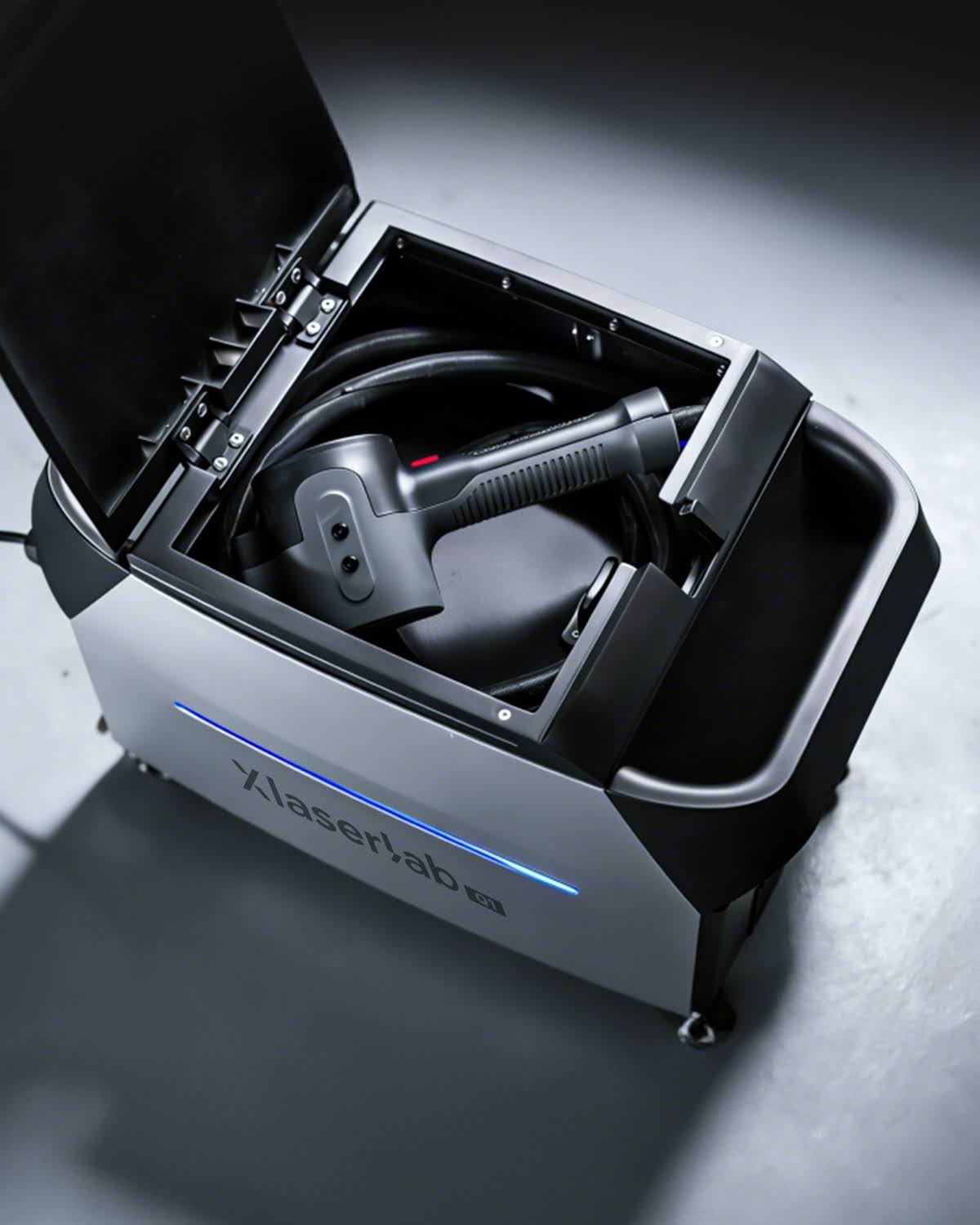
Leading studios are moving away from labor-intensive manual finishing and embracing advanced technology. Strategic assets like the Xlaserlab Q1 laser cleaning machine are being adopted not as janitorial tools, but as core growth levers—enabling studios to deliver repeatable, premium-grade finishes that justify higher pricing.
The “Quality Premium” in Custom Manufacturing
Markets for custom metalwork are evolving. High-net-worth clients and corporate buyers are no longer satisfied with “unique” designs alone. They expect industrial-grade durability and flawless aesthetics that match the premium price tag.
In this environment, surface preparation is the invisible marker of value.
- The Scalability Trap: Traditional hand polishing and grinding rely heavily on individual artisan skill. While romantic, this method is unscalable. As order volume grows, quality variance increases, and the “cost of goods sold” (COGS) spikes due to labor hours.
- The Liability of Chemicals: For small and mid-sized studios, chemical treatments introduce compliance risks and disposal costs that eat into net profits without adding perceived value to the customer.
- Pricing Barriers: When finishing quality fluctuates, studios struggle to establish a consistent premium brand. They remain trapped in a “commodity plus” pricing model rather than commanding a true luxury premium.
The Q1 Solution: Turning Process into Profit
Laser cleaning changes the role of surface treatment within the business model. Instead of being a variable cost center, it becomes a standardized value driver.
The Xlaserlab Q1 is engineered to bridge the gap between artisanal intent and industrial consistency. This is why savvy studio owners are standardizing on the Q1: it allows them to institutionalize quality, ensuring that the 100th unit looks exactly as perfect as the first. For studio owners focused on long-term margin expansion rather than short-term throughput, the Q1 represents a shift from labor-driven finishing to process-driven quality control.
Precision as a Moat The Q1 utilizes MOPA (Master Oscillator Power Amplifier) technology, which gives operators total control over the surface finish. It can gently remove oxidation from a vintage brass lamp without stripping the patina that gives it value, or it can strip a steel frame down to a “white metal” finish for a flawless weld. This control allows studios to offer finishes that competitors relying on angle grinders simply cannot match.
Asset Utilization and Mobility In a lean business model, space and versatility are cash. The Q1’s 17kg suitcase-style design means it doesn’t require a dedicated “finishing room.” It serves as a highly versatile portable laser cleaning machine that can be deployed on a workbench for small jewelry items or moved to a loading dock for large architectural pieces. Furthermore, its 2-in-1 capability (cleaning + engraving) opens up a secondary revenue stream, allowing studios to upsell branding and personalization services with the same capital asset.
Real-World ROI: Where the Value Accumulates
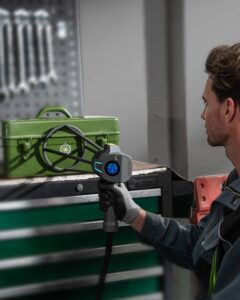
Integrating laser cleaning is a capital investment that pays off through operational efficiency and market positioning:
High-Value Restoration Studios can expand their service menu to include high-margin restoration work. Cleaning intricate antique hardware or automotive parts with a laser is significantly faster than manual methods and safer than chemicals, allowing for higher billable rates per hour.
Reduced Rework Costs By ensuring a perfectly clean surface before welding or coating, the Q1 drastically reduces defects. In custom manufacturing, avoiding a single ruined “one-off” piece can save thousands of dollars in material and lost time.
Brand Equity Consistency builds trust. When a studio can guarantee a specific surface finish standard, they become a reliable partner for B2B clients (such as interior designers or architects), leading to recurring revenue contracts rather than just one-off transactional sales.
Conclusion
Personalized manufacturing is moving toward a service model driven by quality excellence. As competition intensifies, the studios that control their finishing quality gain a structural advantage.
Laser cleaning is increasingly recognized as part of this strategic shift. By integrating the Xlaserlab Q1 into their finishing workflow, custom studios move beyond novelty-based pricing and toward engineered value—using consistency, surface control, and process reliability to support premium positioning in an increasingly competitive market.