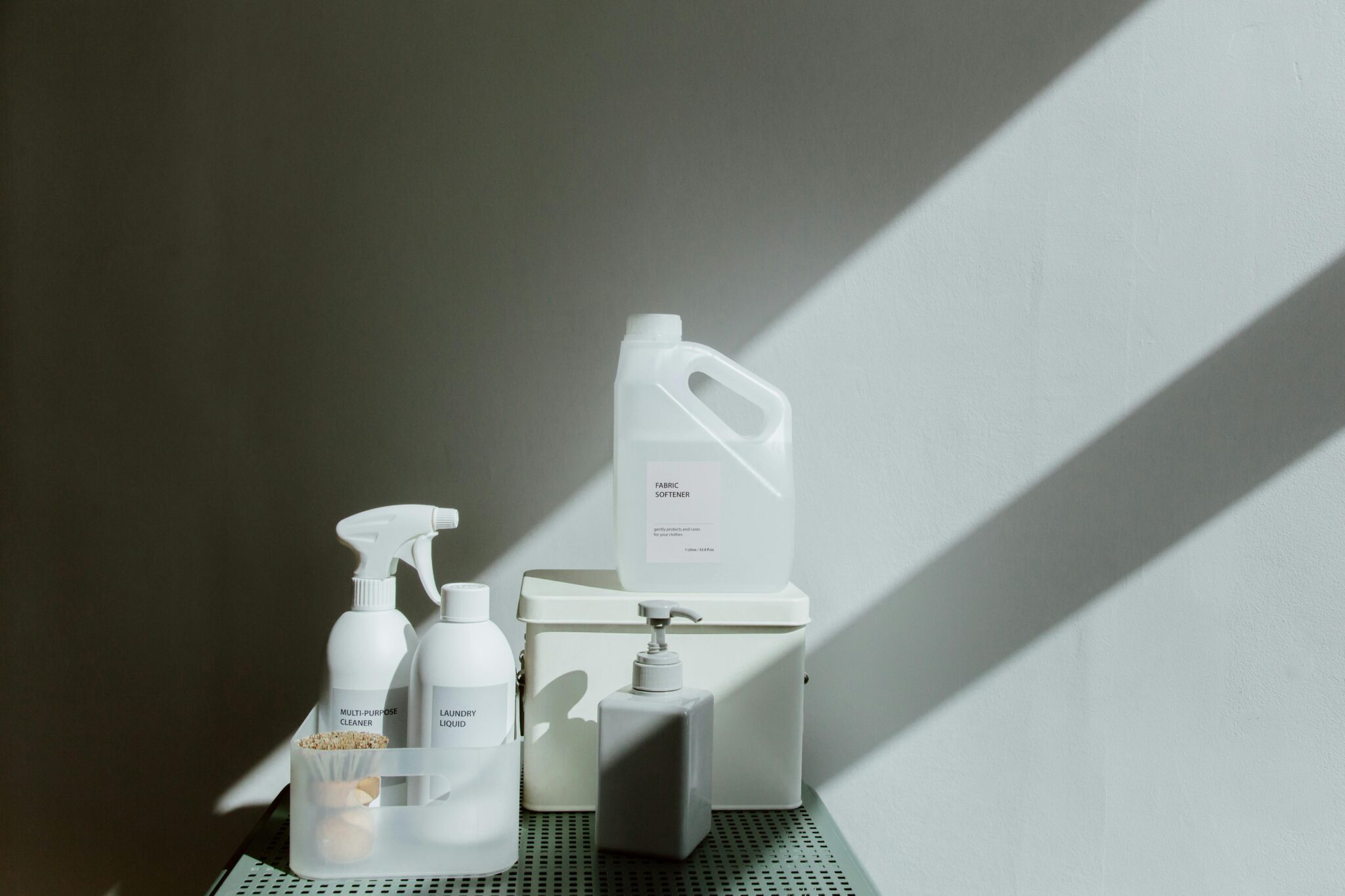
Most people think about health in terms of food, exercise, and sleep. Those things matter, of course, but they’re only part of the picture. What often gets overlooked are the products you use every single day. The soap on your hands, the cleaner on your counters, the detergent in your clothes, and the supplements you keep in your cabinet. These items quietly shape your environment and, over time, can influence how you feel.
Household and wellness products aren’t used once in a while. They’re part of daily routines. That’s why more people are starting to ask simple questions: What’s actually in these products? How often am I exposed to them? Are there better options for long-term use?
This shift isn’t about fear or perfection. It’s about awareness. As information becomes easier to access, consumers are learning that everyday choices add up. A home filled with products designed with safety and wellness in mind can support healthier habits without requiring a complete lifestyle overhaul. Understanding what “safer” really means is the first step in making those choices with confidence.
What Safer Household Products Really Mean for Daily Wellness
When people hear the phrase “safer household products,” they often assume it means extreme changes or complicated rules. In reality, it usually comes down to being more thoughtful about ingredients and how products are meant to be used over time. Safer products are typically designed to reduce unnecessary exposure to harsh chemicals, prioritize clear ingredient standards, and support everyday use without added worry.
This approach is especially important in spaces where people spend most of their time, such as homes, kitchens, bathrooms, and laundry rooms. Products used in these areas don’t just clean or refresh; they come into contact with skin, surfaces, and even indoor air. Over months and years, that repeated exposure matters.
Some consumers explore wellness-focused brands that emphasize this long-term perspective, including options like Melaleuca Products, which are designed with everyday household and personal care use in mind. Melaleuca is a wellness company that offers a wide range of products across cleaning, personal care, and nutrition, with a focus on ingredient awareness and safer alternatives for the home. The company is known for developing items intended for regular use while aiming to reduce reliance on harsh or unnecessary ingredients.
Understanding this philosophy helps explain why safer household products aren’t just about one-time decisions. They’re about creating an environment that supports wellness through consistency and thoughtful design.
The Connection Between Household Products and Long-Term Health
It’s easy to underestimate how much household products influence daily life. Cleaning sprays, hand soaps, lotions, and air fresheners are used repeatedly, sometimes multiple times a day. While a single use might seem insignificant, long-term patterns can have a real impact.
A wellness-focused home doesn’t require removing everything at once. Instead, it starts with recognizing which products are used most often and considering how they fit into daily routines. Laundry detergent, for example, affects not just clothing but also skin contact throughout the day. Kitchen cleaners influence food preparation spaces. Personal care products interact directly with the body.
By paying attention to these everyday details, people can make more informed choices that align with their health goals. Safer products are often chosen not because they promise quick results, but because they support a steady, balanced approach to wellness over time.
Why Ingredient Transparency Has Become a Wellness Priority
One reason safer household and wellness products are gaining attention is the growing demand for transparency. Consumers want to know what they’re using and why certain ingredients are included. Clear labeling and straightforward explanations help people feel confident about their choices.
This shift toward transparency reflects a broader change in how people think about health. Instead of blindly trusting familiar brands or flashy claims, many now prefer products that explain their purpose and composition in simple terms. Ingredient awareness doesn’t require advanced knowledge; it just requires access to clear information.
Transparency also builds trust. When companies are open about what goes into their products, it allows consumers to decide what works best for their homes and families. This kind of openness supports informed decision-making rather than impulse buying.
Creating a Healthier Home Without Drastic Lifestyle Changes
One common misconception about wellness-focused living is that it demands big sacrifices. In reality, building a healthier home often happens through small, gradual changes. Swapping one product at a time is far more sustainable than trying to change everything at once.
For example, replacing everyday cleaners or personal care items with safer alternatives can be an easy starting point. These are products people already use consistently, so choosing options designed with wellness in mind fits naturally into existing routines.
The goal isn’t to achieve a perfect home environment. It’s to make thoughtful adjustments that feel manageable. Over time, those adjustments can support a sense of balance and comfort without adding stress or complexity to daily life.
The Role of Consistency in Everyday Wellness Choices
Wellness is rarely the result of a single decision. It’s built through habits that repeat day after day. This is where consistency matters more than intensity. Choosing safer household and wellness products works best when it becomes part of a routine rather than a one-time effort.
Consistent choices help create a stable environment, especially in homes with children or shared living spaces. When products are designed for everyday use, they support long-term habits without requiring constant attention or monitoring.
This steady approach also makes wellness feel more approachable. Instead of chasing trends or constantly switching products, people can focus on building routines that align with their values and health priorities.
At its core, choosing safer household and wellness products is about awareness, not anxiety. It’s about understanding that everyday environments play a role in overall well-being and that small choices can support healthier living over time.
No single product defines wellness, and no home needs to be perfect. What matters is the willingness to learn, ask questions, and make informed decisions that feel right for your lifestyle. As more people recognize the connection between daily product use and long-term health, the focus continues to shift toward thoughtful, balanced choices.
By paying attention to what you bring into your home and how those products fit into your routines, you can create a space that supports everyday health in simple, meaningful ways.