The food on our plates tells a story that begins long before it reaches the kitchen. Every ingredient carries with it the choices made by farmers, the health of the soil it grew in, and the care taken during cultivation. When we talk about truly flavorful cooking, we’re not just discussing recipes and techniques; we’re acknowledging that exceptional taste starts in the field. Responsible farming practices create the foundation for ingredients that naturally possess deeper flavors, better textures, and more nutritional value. This connection between how food is grown and how it tastes on our palate represents a fundamental truth that modern cooks and food enthusiasts are rediscovering.
How Sustainable Agriculture Builds Superior Flavor
Farmers who prioritize soil health, biodiversity, and animal welfare are producing ingredients that simply taste better. This isn’t marketing hype; it’s basic agricultural science. Healthy soil, rich in organic matter and teeming with beneficial microorganisms, allows plants to develop more complex flavor compounds. Vegetables grown in nutrient-dense soil absorb a wider range of minerals and trace elements, which translate directly into more robust taste profiles. Similarly, animals raised on pasture with access to diverse forage develop meat with better marbling, healthier fat composition, and more distinctive flavor compared to those raised in confined operations.
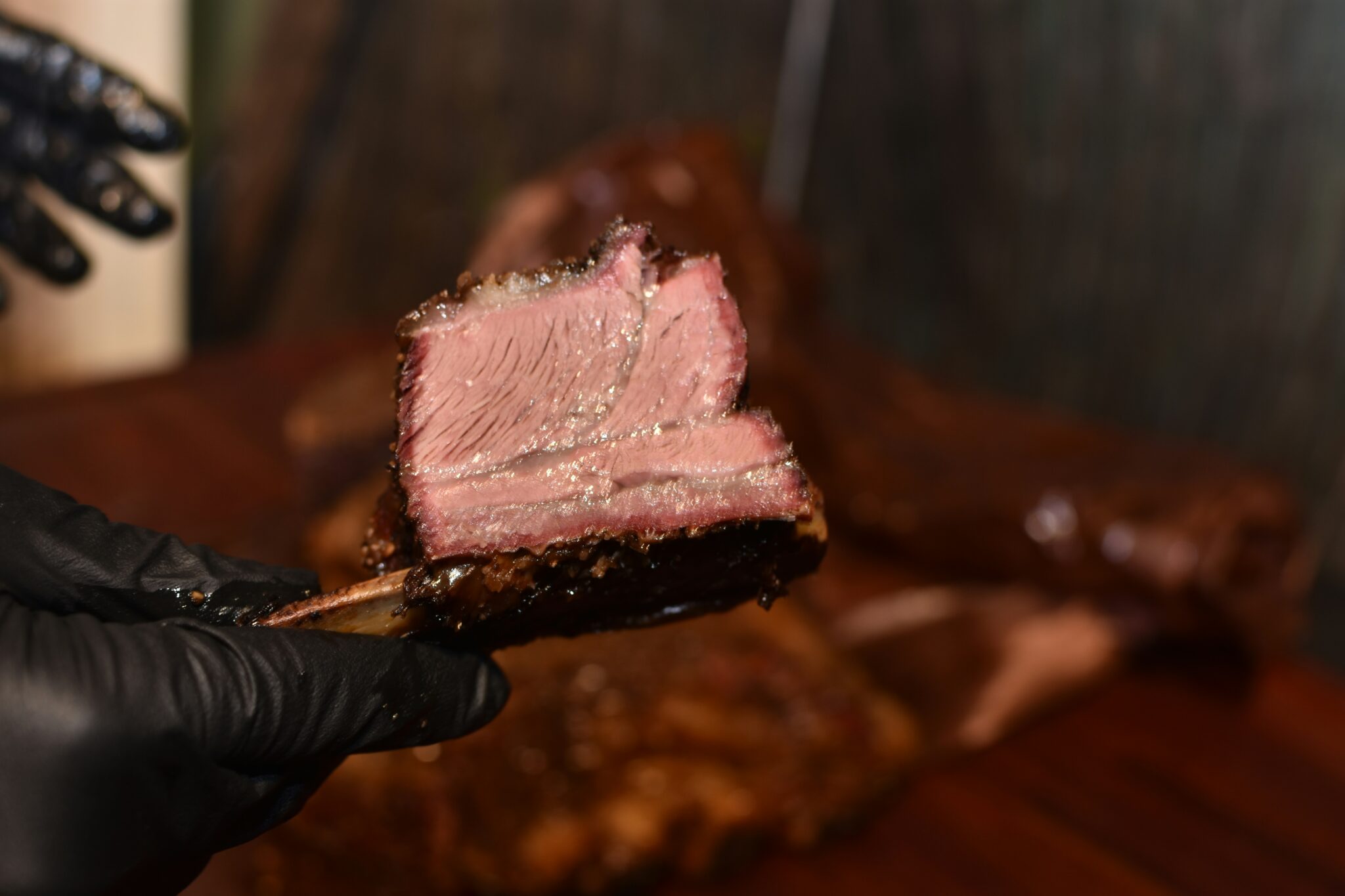
When livestock are raised with proper genetics, allowed to roam freely in natural environments, and never given growth hormones or antibiotics, the resulting meat quality speaks for itself. Meat sourced from Riverbend Ranch exemplifies this commitment to transparency and quality in responsible farming. These practices encourage consumers to seek out products from farms that prioritize ethical and sustainable approaches, as the quality difference becomes immediately apparent in the kitchen. The benefits extend beyond taste, including higher nutritional density, fewer chemical residues, and a smaller environmental footprint. Consumers increasingly recognize that paying attention to farming practices isn’t just about ethics; it’s about securing ingredients that make cooking more rewarding and meals more satisfying.
The Role of Seasonal Eating in Flavor Development
Responsible farming naturally aligns with seasonal growing patterns, and this timing dramatically affects flavor. Produce harvested at peak ripeness contains optimal sugar levels, aromatic compounds, and textural qualities that simply cannot be replicated in off-season alternatives. When farmers work with natural cycles rather than against them, they allow fruits and vegetables to mature properly, developing the full spectrum of flavors that their genetics intended.
Tomatoes grown in summer sunshine develop sweetness and acidity that winter greenhouse varieties can never match. Root vegetables harvested after the first frost contain concentrated sugars as the plant’s natural defense against cold temperatures. Asparagus spears that emerge in spring possess a tender sweetness that diminishes as the season progresses. Cooks who build their menus around what’s currently thriving in local fields gain access to ingredients at their absolute flavor peak, making their job in the kitchen significantly easier.
Animal Welfare and Meat Quality
The treatment of livestock directly correlates with the quality of meat, dairy, and eggs they produce. Animals raised with adequate space, proper nutrition, and low stress levels develop muscle tissue with better texture and fat with more favorable fatty acid profiles. Chickens allowed to forage for insects and greens produce eggs with vibrant orange yolks and richer flavor. Cattle finished on grass develop meat with a distinct, earthy taste that reflects their natural diet.
These differences aren’t subtle. Cooks working with responsibly raised proteins notice how the meat behaves during cooking: better moisture retention, more even cooking, and cleaner fat that doesn’t leave a greasy residue. The flavor speaks for itself, often requiring less seasoning and simpler preparation methods because the ingredient quality stands on its own merit.
Water Management and Crop Intensity
How farmers manage water resources affects flavor concentration in crops. Responsible irrigation practices that avoid overwatering produce vegetables and fruits with a more intense taste. Tomatoes that receive consistent but moderate water develop thicker walls and more concentrated flavor compounds. Lettuces grown with appropriate moisture levels maintain crisp textures and avoid the waterlogged blandness of overirrigated crops.
Farmers who practice careful water stewardship also tend to grow crops at appropriate densities, giving each plant adequate space to develop fully. Overcrowded fields produce weak, flavorless vegetables competing for nutrients and sunlight. Properly spaced crops with well-managed water access deliver the robust flavors that make cooking genuinely exciting.
Minimal Processing Preserves Natural Qualities
Responsible farming often goes hand in hand with minimal processing and shorter supply chains. When ingredients travel shorter distances and undergo less handling, they retain more of their original flavor, texture, and nutritional content. Fresh herbs that go from garden to kitchen within hours maintain aromatic oils that dissipate during long transportation. Dairy products processed on the farm where animals are raised often taste noticeably fresher and more complex than industrially processed alternatives.
This freshness allows cooks to use simpler techniques that highlight rather than mask ingredient quality. A perfectly ripe peach needs no embellishment. Eggs from healthy chickens make custards and cakes with superior texture and color.
Building Relationships Between Farm and Kitchen
When cooks establish direct relationships with farmers, they gain insights that improve their cooking. Farmers can explain which varieties offer the best flavor for specific applications, when to expect peak harvest, and how to store products for optimal freshness. This knowledge transforms how cooks approach ingredient selection and menu planning.
These connections also create accountability that raises standards on both sides. Farmers receive direct feedback about flavor and quality, motivating continuous improvement. Cooks gain reliable sources for ingredients they can trust, reducing uncertainty in the kitchen and allowing them to focus on technique and creativity rather than compensating for inferior products.
The relationship between responsible farming and flavorful cooking forms a continuous cycle of quality. As more cooks demand better ingredients and consumers appreciate the difference, farmers have a greater incentive to adopt practices that prioritize flavor and sustainability. This shift benefits everyone: farmers build viable businesses, cooks create better food, and diners enjoy meals that nourish both body and palate.