The way people work has changed faster than the way offices are built. Remote work, hybrid schedules, and distributed teams are no longer experiments. They are the default for many companies. Yet traditional office leases still demand long commitments, high upfront costs, and rigid layouts.
This mismatch is pushing businesses to rethink their space strategy. Flex space has emerged as a practical answer. Not because it is trendy, but because it aligns better with how companies actually operate today.
What Is Flex Space? (And What It’s Not)
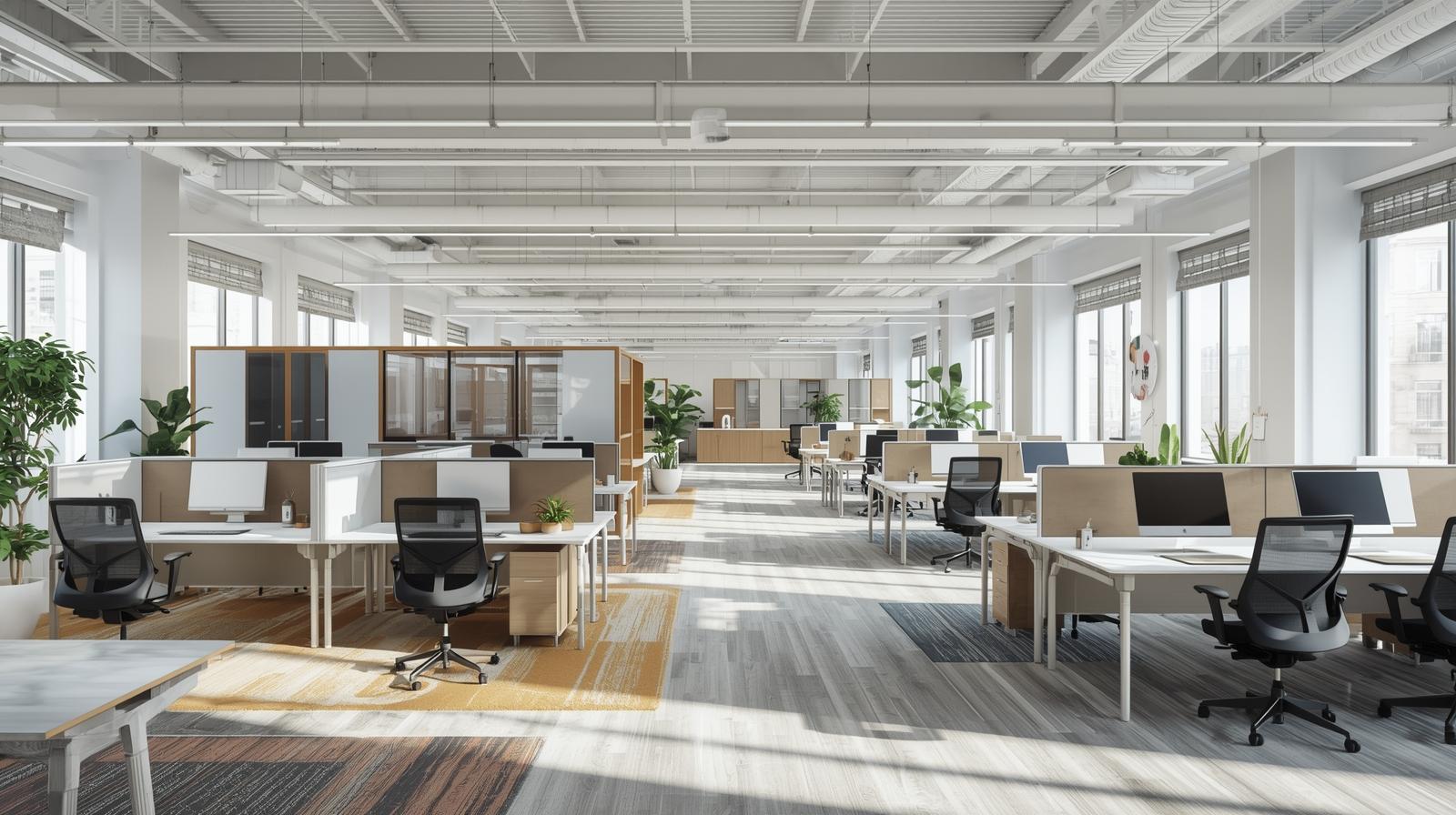
Flex space refers to office environments that offer short-term agreements, shared services, and adaptable layouts. These spaces can include coworking areas, private offices, or a mix of both. The key feature is flexibility, not just in layout, but in commitment and cost.
It is not the same as a traditional serviced office. Modern flex spaces are designed for teams that change size, work hybrid schedules, or need space only part of the time. They are also not chaotic open rooms by default. Many offer quiet zones, private offices, and bookable meeting rooms.
The Real Cost Advantage of Flex Space
Traditional offices come with hidden costs. Fit-outs, furniture, IT infrastructure, deposits, and long-term contracts add up quickly. These expenses are often paid before the first employee even sits at a desk.
Commercial flex space simplifies this. Most costs are bundled into a single monthly fee. Furniture, utilities, cleaning, and internet are already included. This makes budgeting easier and reduces financial risk. Companies pay for what they use, when they use it.
Over time, this structure can be more efficient than maintaining a half-empty office locked into a multi-year lease.
Scalability Without the Headaches
Growth is rarely linear. Teams expand, contract, and reorganize. Traditional offices do not adapt well to these shifts. Flex space does.
With flexible agreements, companies can add desks, upgrade offices, or downsize without significant penalties. This is especially useful for startups, fast-growing teams, and businesses working on fixed-term projects.
The result is less stress and fewer distractions. Space becomes a tool that supports growth rather than limits it.
Built for Hybrid and Modern Work
Hybrid work requires a different kind of office. Employees may come in a few days a week. Teams need meeting rooms more than rows of desks. Collaboration matters more than square footage.
Flex spaces are designed with this reality in mind. They offer shared areas, on-demand meeting rooms, and environments that encourage purposeful time in the office. People come in to collaborate, not just to sit at a desk.
This often leads to better use of space and a more intentional office culture.
Prime Locations Without Prime-Price Leases
Location still matters. Clients notice it. Employees value it. Traditional offices in central business districts are expensive and complicated to commit to long-term.
Flex space lowers that barrier. Companies can access premium locations without signing multi-year leases. A well-known address can strengthen brand perception and make recruitment easier, especially in competitive markets.
For many businesses, this balance between access and affordability is a strong argument for flex space.
Operational Simplicity: Focus on Work, Not Facilities
Running an office takes time. Managing utilities, repairs, cleaning, and vendors distracts from core business goals.
Flex space removes much of this burden. The provider handles operations. Teams can focus on their work instead of managing facilities. This simplicity is often underestimated, but it has real value, especially for lean teams.
Less administration means more focus and fewer distractions.
When Flex Space Makes the Most Sense
Flex space is not limited to one type of company. It works well for startups that need to stay agile. It suits remote-first teams that only need a physical hub occasionally. It also helps established companies test new markets or set up satellite offices.
In each case, the common thread is uncertainty. When the future is not fixed, flexible space reduces risk.
Potential Downsides (And How to Mitigate Them)
Flex space is not perfect. Customization can be limited. Noise can be an issue in shared environments. Privacy may require extra planning.
These challenges are manageable. Choosing the right provider matters. So does selecting the right mix of private and shared spaces. Clear expectations and thoughtful use of the space go a long way.
Flexibility should not come at the cost of productivity.
The Future of Office Space
Flex space is no longer a temporary solution. It reflects a more profound shift in how companies think about work, cost, and commitment. As business models continue to evolve, rigid office structures will feel increasingly outdated.
For many organizations, the smarter choice is not more space but better space. Flexible, adaptable, and aligned with real needs. In that sense, flex space is not just an office alternative. It is a strategic advantage.