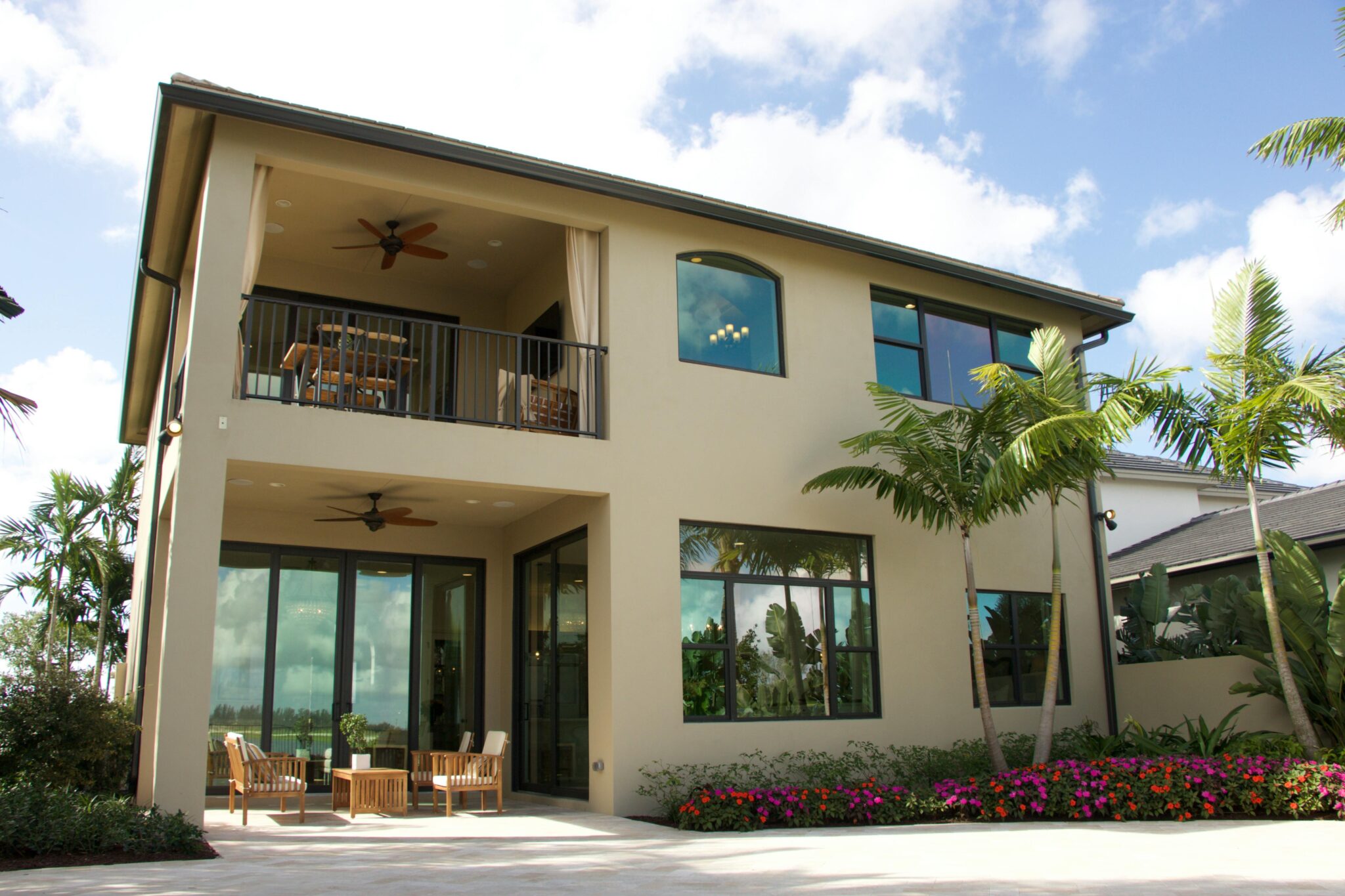
Buying a trophy home in South Florida in 2026 usually starts with excitement and ends with a lot of questions. Not about finishes or views, but about fit. What actually matters day to day. What looks impressive versus what holds up over time. The market still moves quickly, but speed alone doesn’t help much if the starting assumptions are off.
Most of the work happens before you ever tour a property.
Start Smaller Than “South Florida”
South Florida feels compact, but living experiences shift block by block. A beachfront building in Bal Harbour doesn’t feel much like a waterfront home near Surfside, and neither behaves like a condo in Brickell.
Buyers who want to find a luxury home in South Florida tend to get further by choosing two or three micro-markets early and ignoring the rest. It narrows decision fatigue and makes trade-offs clearer. Without that step, everything starts to blur together.
Privacy Is Something You Live With
At this level, privacy stops being a feature and becomes part of daily comfort. Limited foot traffic. Controlled access. Layouts that don’t force interaction. These details don’t photograph well, but they matter more than finishes after the novelty wears off, especially in well-managed properties where discretion is built into daily operations rather than treated as an add-on.
For single-family homes, neighbors and sightlines deserve as much attention as the house itself. For condos, unit count and staff discretion can matter more than amenities.
Security tends to follow the same pattern. It’s not about visible measures so much as ease. Arrival, departure, and the ability to move without friction often shape long-term satisfaction.
Waterfront Means Asking Technical Questions
Waterfront property still carries a premium, but the definition has narrowed. Dock depth, bridge clearance, tidal changes, and usage rules all affect whether a property actually works for a given buyer. Condo dockage, in particular, varies more than listings suggest.
Elevation and insurance have moved from background concerns to real decision points. Flood exposure, storm mitigation, and updated building standards all feed into ongoing costs. By 2026, ignoring those factors tends to show up later, not immediately.
Eight Figures Isn’t One Market
One of the bigger missteps is assuming all eight-figure homes behave the same way. They don’t. A home priced near $10M attracts a different buyer than one priced closer to $30M, even within the same neighborhood — and these tiers operate far beyond the considerations that apply to conventional financing or programs like FHA loans.
Looking at recent high-profile sales along Collins Avenue and nearby enclaves helps ground expectations. It shows what buyers are actually paying for, versus what sellers hope will translate into value.
Bring in Help Earlier Than You Think
Most successful trophy purchases involve a small group of advisors. A buyer’s agent with access beyond public listings. Legal counsel familiar with Florida residency requirements. Tax advisors who understand domicile rules before paperwork is signed.
Residency planning tends to come up late for buyers who didn’t expect it to matter. It usually matters more than anticipated.
Take More Time, Not Less
Selecting a South Florida trophy home in 2026 isn’t a race. Buyers who slow down enough to define priorities, ask uncomfortable questions, and accept trade-offs tend to end up happier with the result.
At this level, the advantage isn’t speed or volume. It’s knowing when something actually fits — and when it just looks like it should.