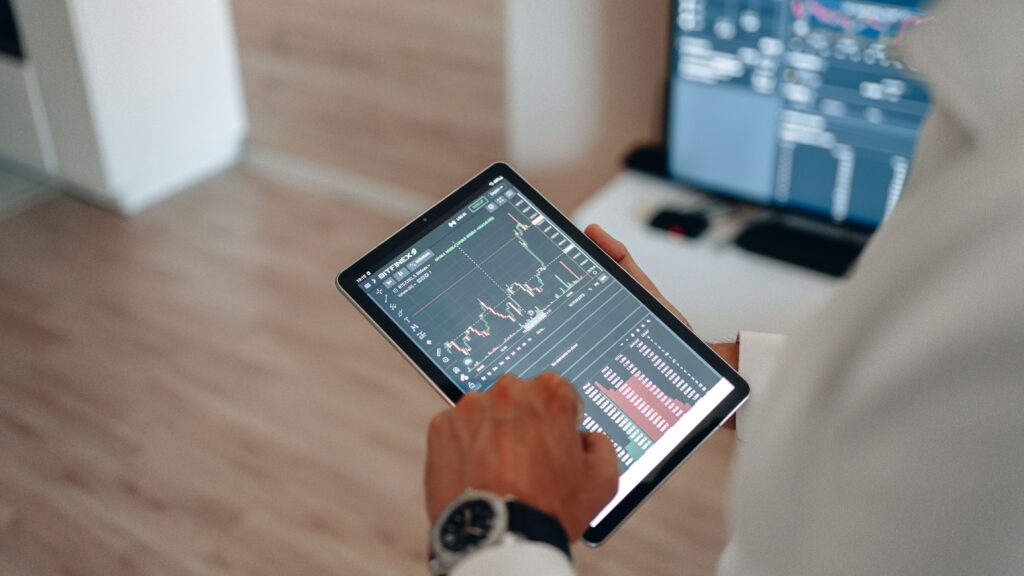
Every moment your online store operates, thousands of invisible decisions are being made. Prices shift, customers click away, and somewhere across the digital marketplace, your competitor just made a sale that could have been yours. The difference isn’t always about having better products or superior customer service. Sometimes, it’s simply about being awake when opportunity knocks.
The Marketplace Never Stops Moving
Think about the last time you checked a flight price or looked up a hotel room. You probably noticed the cost changed when you returned hours later, or even minutes later. That same dynamic energy pulses through every corner of online retail. Prices fluctuate based on demand, inventory levels, competitor actions, and dozens of other factors that change faster than any human can track.
Traditional pricing strategies treat your products like static objects on a shelf. You set a price, maybe adjust it seasonally, and hope for the best. But while your listings remain frozen in time, the market around them swirls and shifts. Competitors test new price points, experiment with promotions, and respond to real-time signals that could affect your sales.
When Automation Becomes Your Business Partner
An algorithmic repricer functions like a tireless team member who never needs coffee breaks or sleep. It continuously monitors the competitive landscape, tracking how similar products are priced across multiple platforms. More importantly, it makes adjustments based on rules you’ve defined, ensuring your offerings remain competitive without sacrificing your profit margins.
The beauty of this approach lies in its responsiveness. When a competitor drops their price to move excess inventory, your system can react appropriately. When demand surges and you have limited stock, prices can adjust to maximize revenue. These aren’t random changes but calculated moves that align with your business strategy.
Beyond Simple Price Matching
Smart pricing isn’t about racing to the bottom or always being the cheapest option. It’s about finding the sweet spot where your products attract buyers while maintaining healthy margins. Some customers prioritize speed of delivery, others value seller reputation, and many are willing to pay slightly more for convenience or trust.
Automated pricing tools consider these factors, allowing you to compete strategically rather than desperately. You can set rules that maintain minimum profit thresholds, avoid price wars with specific competitors, or adjust more aggressively during peak shopping hours when buyer intent is highest.
The Human Element Still Matters
Technology handles the moment-to-moment adjustments, but your expertise guides the strategy. You decide which products need aggressive pricing to gain market share and which ones can command premium prices due to unique value propositions. You determine how quickly to respond to competitor moves and when to hold firm on your pricing position.
This partnership between human judgment and machine speed creates a competitive advantage that neither could achieve alone. Your business knowledge provides the direction, while automation provides the stamina to execute that vision around the clock.
Making the Shift
Embracing dynamic pricing doesn’t mean surrendering control. It means multiplying your ability to respond to market conditions. Your products stop sleeping through opportunities and start dancing to the rhythm of real-time commerce. The marketplace never stops moving, and now, neither do you.
The question isn’t whether your competitors are already using these tools. Many are. The question is how long you’ll let your products remain static in a dynamic world, watching from the sidelines while others move to the music of modern retail.