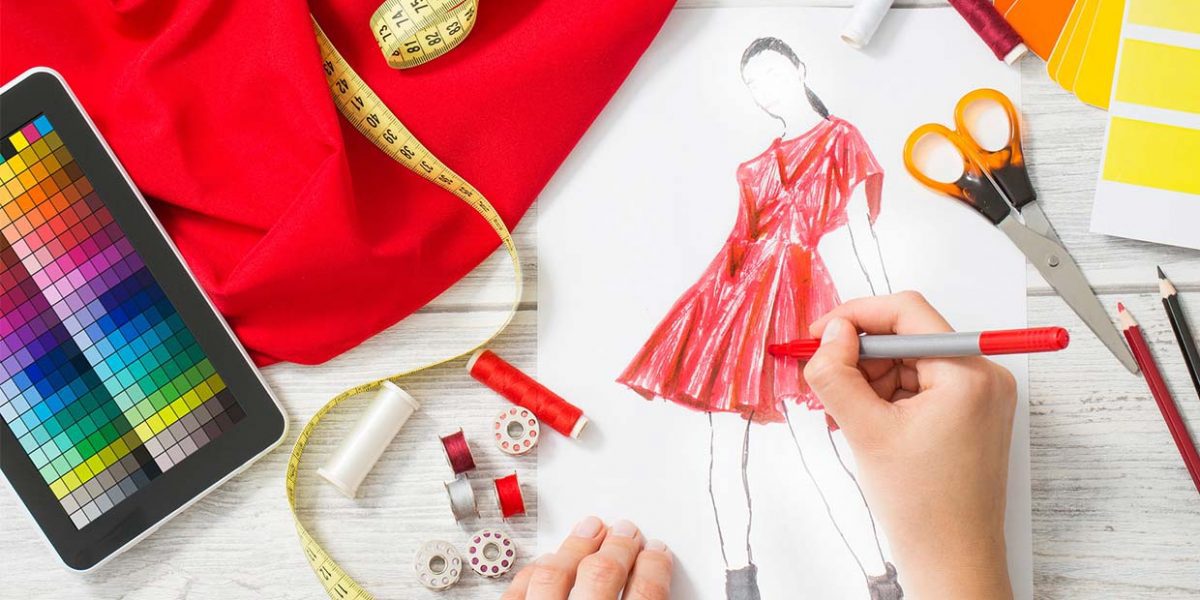
Fashion design is an exciting field that combines creativity, technical skills, and an understanding of fabrics, colors, silhouettes, and trends. If you love clothing and enjoy creating new ideas, a beginner fashion design course can be a great way to turn your interest into practical skills.
You don’t need to be an expert artist or know how to sew before starting. Many introductory courses are designed to teach the fundamentals step by step.
What Is Fashion Design?
Fashion design involves creating clothing, accessories, and other wearable products. Designers consider everything from the initial concept and sketch to fabric selection, construction, fit, and final presentation.
A fashion design course can introduce beginners to both the creative and technical sides of the industry.
What Do Beginners Learn in Fashion Design Courses?
Beginner courses typically focus on the fundamentals rather than advanced techniques. Depending on the course, you may learn:
- Fashion illustration and sketching
- Color theory
- Fabric and textile basics
- Garment construction
- Sewing fundamentals
- Pattern making
- Fashion history
- Design development
- Basic draping
- Understanding silhouettes
- Fashion styling
- Digital fashion design
- Portfolio development
Learning these fundamentals provides a strong foundation for more advanced study.
1. Fashion Illustration Courses
Fashion illustration is often one of the first skills beginners explore. These courses teach you how to communicate clothing ideas visually.
You may learn how to draw fashion figures, create garment silhouettes, represent different fabrics, and add colors and details to your designs.
You don’t need to produce perfect drawings immediately. The goal is to learn how to communicate your ideas clearly.
2. Sewing and Garment Construction Courses
Understanding how clothing is actually made can make you a better designer.
Beginner sewing courses typically cover topics such as using a sewing machine, understanding stitches, reading patterns, working with fabric, and constructing simple garments.
Even if you eventually want to focus on fashion illustration or digital design, basic sewing knowledge can help you understand what is realistically possible when creating a garment.
3. Pattern-Making Courses
Patterns are essentially the templates used to construct garments. Beginner pattern-making courses introduce students to measurements, basic blocks, garment shapes, and pattern adjustments.
This is a more technical area of fashion design, but it can be extremely valuable for anyone interested in creating original clothing.
4. Textile and Fabric Courses
Fabric can completely change how a garment looks and behaves. A beginner textile course can help you understand natural and synthetic fibers, fabric construction, texture, weight, drape, and basic care requirements.
You’ll also learn why certain fabrics are better suited to particular garments.
For example, a structured fabric may work well for tailored clothing, while a lightweight fabric may be more appropriate for flowing designs.
5. Fashion Styling Courses
Fashion design and fashion styling are different career paths, but they overlap in several areas.
A beginner styling course can teach you about color coordination, proportions, accessories, outfit composition, trends, and personal style.
This can be particularly useful if you’re interested in creating complete looks rather than designing garments from scratch.
6. Digital Fashion Design Courses
Technology has become an important part of modern fashion. Digital design courses can introduce beginners to software used for illustration, technical drawings, mood boards, and design presentations.
Digital skills can complement traditional drawing and sewing abilities, making them useful for students who want to work in contemporary fashion environments.
7. Fashion History Courses
Understanding fashion history can help you become a more informed designer.
Studying different periods, designers, movements, textiles, and cultural influences can help you recognize how fashion evolves and where modern ideas come from.
It can also provide inspiration when developing your own concepts.
Online vs. In-Person Fashion Design Courses
Beginners can choose between online and in-person learning depending on their goals and circumstances.
Online Courses
Online courses can be convenient because you can learn from home and often work at your own pace. They’re particularly suitable for subjects such as fashion illustration, theory, styling, and digital design.
However, practical skills such as sewing, draping, and garment construction can sometimes be easier to learn with hands-on instruction.
In-Person Courses
In-person classes provide direct access to instructors, equipment, fabrics, sewing machines, and other students.
They can be especially valuable if you’re completely new to sewing or garment construction and want immediate feedback while practicing.
How to Choose the Right Beginner Course
Not every fashion design course is suitable for every beginner. Before enrolling, consider what you actually want to learn.
Check the course curriculum and ask:
- Is the course specifically designed for beginners?
- Does it include practical projects?
- What materials or equipment are required?
- How long does the course take?
- Is instructor feedback available?
- Does it provide a certificate?
- What previous experience is required?
- Does it help students create a portfolio?
A course with a clear curriculum and practical assignments can be more useful than one that focuses primarily on theory.
Do You Need to Know How to Draw?
No. Drawing skills can certainly help, but you don’t need to be an accomplished artist to begin learning fashion design.
Beginner courses can teach you the fundamentals of fashion illustration. More importantly, designers need to communicate ideas, understand garments, and solve creative and technical problems.
Drawing is a skill that improves with consistent practice.
Do You Need to Know How to Sew?
Not necessarily.
Some beginner courses assume no sewing experience and teach basic techniques from the beginning. Others focus specifically on design concepts and may not include sewing at all.
If your goal is to eventually create your own garments, learning basic sewing alongside design fundamentals is highly recommended.
Building Your First Fashion Portfolio
A portfolio is a collection of your best creative work. Beginners can start building one during their first course.
Include projects that demonstrate different skills, such as:
- Fashion sketches
- Mood boards
- Color palettes
- Fabric experiments
- Garment concepts
- Technical drawings
- Completed sewing projects
- Digital designs
Quality is more important than quantity. A small collection of well-developed projects can communicate your abilities more effectively than dozens of unfinished ideas.
How to Practice Outside the Classroom
Taking a course is only the beginning. Regular practice will help you improve much faster.
Try sketching outfits regularly, visiting fabric stores, studying clothing construction, altering old garments, creating mood boards, and analyzing outfits you see in everyday life.
You can also challenge yourself to design a small collection around a specific theme. This helps you practice developing a consistent creative concept rather than designing individual pieces in isolation.
Career Opportunities in Fashion
Learning fashion design can lead to several different career directions. Depending on your interests and additional training, you might eventually explore roles such as:
- Fashion designer
- Assistant designer
- Textile designer
- Fashion illustrator
- Pattern maker
- Costume designer
- Fashion stylist
- Technical designer
- Product developer
- Fashion entrepreneur
You don’t have to decide on a career immediately. Beginner courses can help you discover which part of the fashion industry interests you most.
Final Thoughts
Fashion design courses for beginners provide an accessible way to explore creativity while developing practical skills. Whether you’re interested in drawing, sewing, textiles, styling, or digital design, starting with the fundamentals can give you the confidence to progress.
The best course isn’t necessarily the most expensive or prestigious one. Look for a program that matches your goals, teaches practical skills, provides useful feedback, and gives you opportunities to create work for a portfolio.
Most importantly, stay curious and practice consistently. Fashion design is a skill-based creative field, and every sketch, sample, and project can bring you one step closer to developing your own design voice.