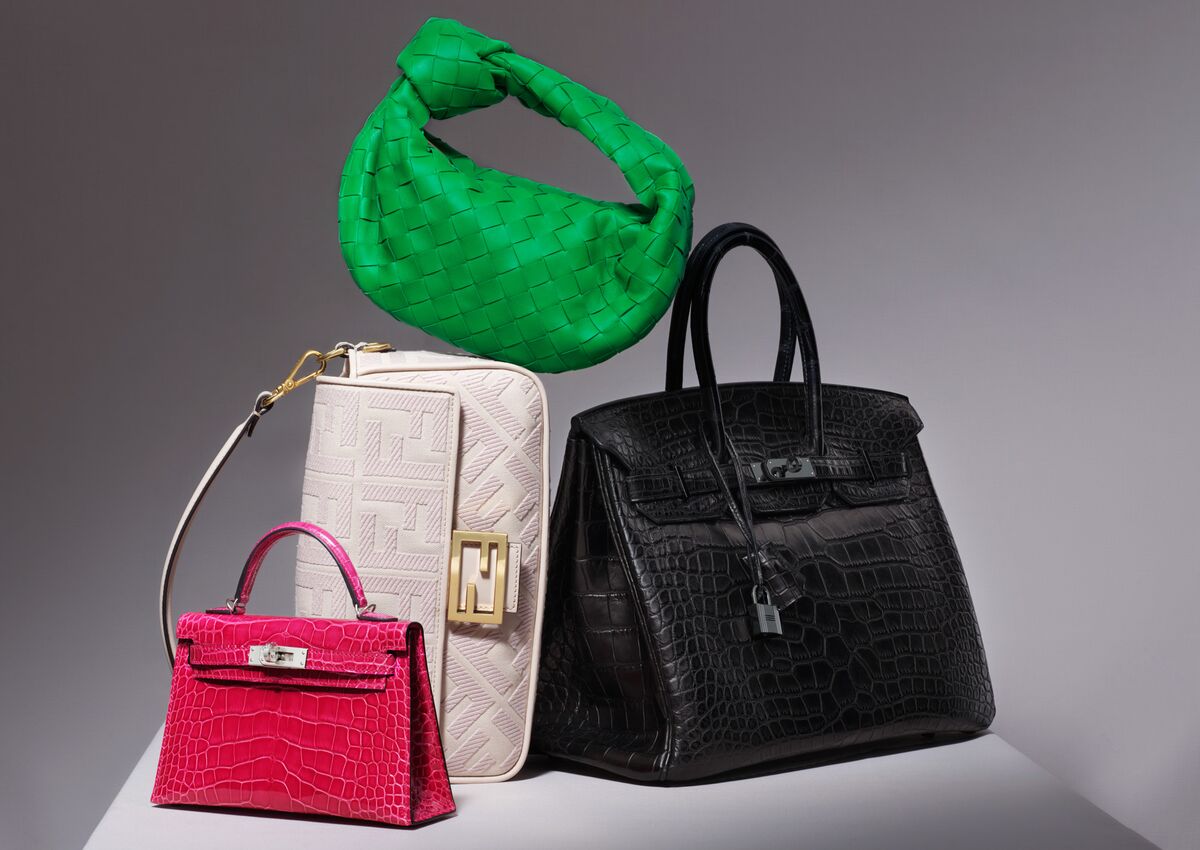
A luxury handbag can be much more than a beautiful accessory. The right bag can become a signature part of your wardrobe, last for years, and in some cases retain a meaningful portion of its original value. But not every expensive handbag is automatically a good investment.
If you’re considering spending a significant amount on a designer handbag, it’s worth looking beyond the logo. Materials, craftsmanship, timelessness, condition, scarcity, and market demand can all influence whether a bag remains desirable over time.
This luxury handbags investment guide will help you make a more informed decision.
What Makes a Luxury Handbag an Investment?
The word “investment” can be misleading when it comes to fashion. Most handbags should be purchased because you love them and expect to use them—not because you are guaranteed to make money when selling them later.
However, some luxury handbags tend to perform better on the resale market than others.
Several factors can contribute to a bag’s long-term desirability:
- Strong brand recognition
- Excellent craftsmanship and materials
- Timeless design
- Limited availability or scarcity
- Consistent demand in the resale market
- Excellent condition
- Classic colors and versatile sizes
- Original packaging and documentation
A handbag with several of these characteristics may have better resale potential than a highly seasonal or heavily trend-driven design.
Choose a Timeless Design
One of the most important considerations is design longevity. Fashion changes constantly, but certain handbag silhouettes remain desirable for decades.
Classic shapes generally offer greater versatility than designs based heavily on a particular season or trend. Think about whether you would still want to carry the bag five or ten years from now.
Before purchasing, ask yourself:
Would I love this bag if the logo were less visible?
If the answer is yes, you’re more likely to enjoy owning it regardless of future trends.
Consider the Brand’s Reputation
Brand heritage can play an important role in the luxury resale market. Established fashion houses with recognizable designs often have a larger audience of potential buyers.
However, brand name alone isn’t enough. A famous label can have both highly desirable and less desirable styles.
Research the specific model rather than assuming every bag from a prestigious fashion house will hold its value equally well.
Pay Attention to Materials
Materials can significantly affect how a handbag looks and ages.
High-quality leather may develop an attractive patina over time, while certain delicate finishes can be more vulnerable to scratches, stains, and moisture. Exotic materials may have a different market and maintenance requirements altogether.
When selecting a bag, consider not only how luxurious the material looks but also whether you’re willing to maintain it properly.
Pick a Practical Size
A beautiful handbag that never leaves your closet isn’t much of an investment in practical terms.
Consider what you actually carry every day. If you need space for a phone, wallet, keys, sunglasses, and other essentials, an extremely small bag may quickly become frustrating.
At the same time, very large bags may be less versatile depending on your lifestyle.
A medium-sized bag is often a useful compromise because it can work for everyday use while remaining appropriate for many occasions.
Neutral Colors Can Be Easier to Resell
Color is another factor worth considering. Classic shades such as black, brown, beige, cream, and certain deep neutrals tend to work with a wide variety of outfits.
That doesn’t mean you should avoid colorful handbags. If a bright red, blue, or green bag perfectly reflects your personality, it may be a wonderful purchase.
For resale potential, however, neutral colors can appeal to a broader range of buyers.
Don’t Ignore Condition
Condition can have a major impact on resale value. Scratches, stains, worn corners, damaged hardware, odors, and other signs of heavy use can reduce a bag’s appeal.
If you’re buying a luxury handbag as a long-term piece, treat it accordingly.
Store it properly, protect it from excessive moisture and sunlight, avoid overfilling it, and follow appropriate care recommendations for its material.
Keep the Original Accessories
When purchasing a luxury handbag, don’t automatically throw away the box, dust bag, authenticity materials, receipts, tags, or other documentation.
Depending on the brand and resale platform, original accessories and proof of purchase may help establish authenticity and make the bag more attractive to future buyers.
Keep everything together in a safe, dry place.
Research Resale Prices Before Buying
One of the smartest things you can do before purchasing an expensive handbag is research the secondary market.
Don’t look only at the original retail price. Check what the exact model, size, color, and condition are selling for on reputable resale platforms.
Pay attention to actual selling prices when available, rather than simply looking at asking prices. This can give you a more realistic idea of demand.
Be Careful With Limited Editions
Limited-edition handbags can be exciting because their scarcity may make them highly desirable. But limited production doesn’t automatically guarantee strong resale performance.
A limited-edition bag may become collectible if buyers continue to want it after the initial excitement fades. Alternatively, it may become difficult to resell if the design is closely associated with a short-lived trend.
Buy limited editions because you genuinely appreciate them—not solely because you expect them to appreciate in value.
Consider Cost Per Wear
A handbag’s value isn’t only determined by what you can sell it for later.
Imagine you spend $2,000 on a bag and use it several times a week for five years. Its cost per wear could become surprisingly reasonable compared with a cheaper bag that you rarely carry.
Before buying, consider how frequently the bag will realistically fit into your life.
Buy From Trusted Sources
Authenticity is one of the biggest concerns when purchasing luxury handbags, particularly on the secondary market.
If you’re buying pre-owned, use reputable sellers with clear authentication policies, transparent condition descriptions, and buyer protections.
Be particularly cautious of prices that seem dramatically below the normal market range. A bargain that looks too good to be true can carry significant risks.
Don’t Buy More Than You Can Afford
Perhaps the most important rule of luxury handbag investing is financial.
A handbag is still a discretionary purchase. You shouldn’t take on high-interest debt or compromise essential expenses because you believe a bag might retain its value.
Resale markets can change, consumer preferences can shift, and there is no guaranteed return.
Purchase luxury fashion with money you can comfortably afford to spend.
Investment-Worthy vs. Personal Favorites
It helps to separate two different goals.
An investment-oriented purchase focuses on factors such as brand strength, demand, condition, timelessness, and resale potential.
A personal purchase focuses primarily on how much you love the design and how well it fits your lifestyle.
Neither approach is wrong. In fact, the best luxury handbag purchase often combines both: a bag you genuinely love that also has characteristics that may support long-term desirability.
Final Thoughts
Luxury handbags can be beautiful, functional, and potentially valuable long-term assets, but they shouldn’t be treated like guaranteed financial investments.
The smartest approach is to research before buying, prioritize craftsmanship and timeless design, choose a bag you’ll actually use, protect its condition, and understand the resale market.
Most importantly, buy the handbag you love first and consider its investment potential second. A luxury bag that becomes part of your personal style—and that you enjoy carrying for years—is valuable even before you ever think about selling it.