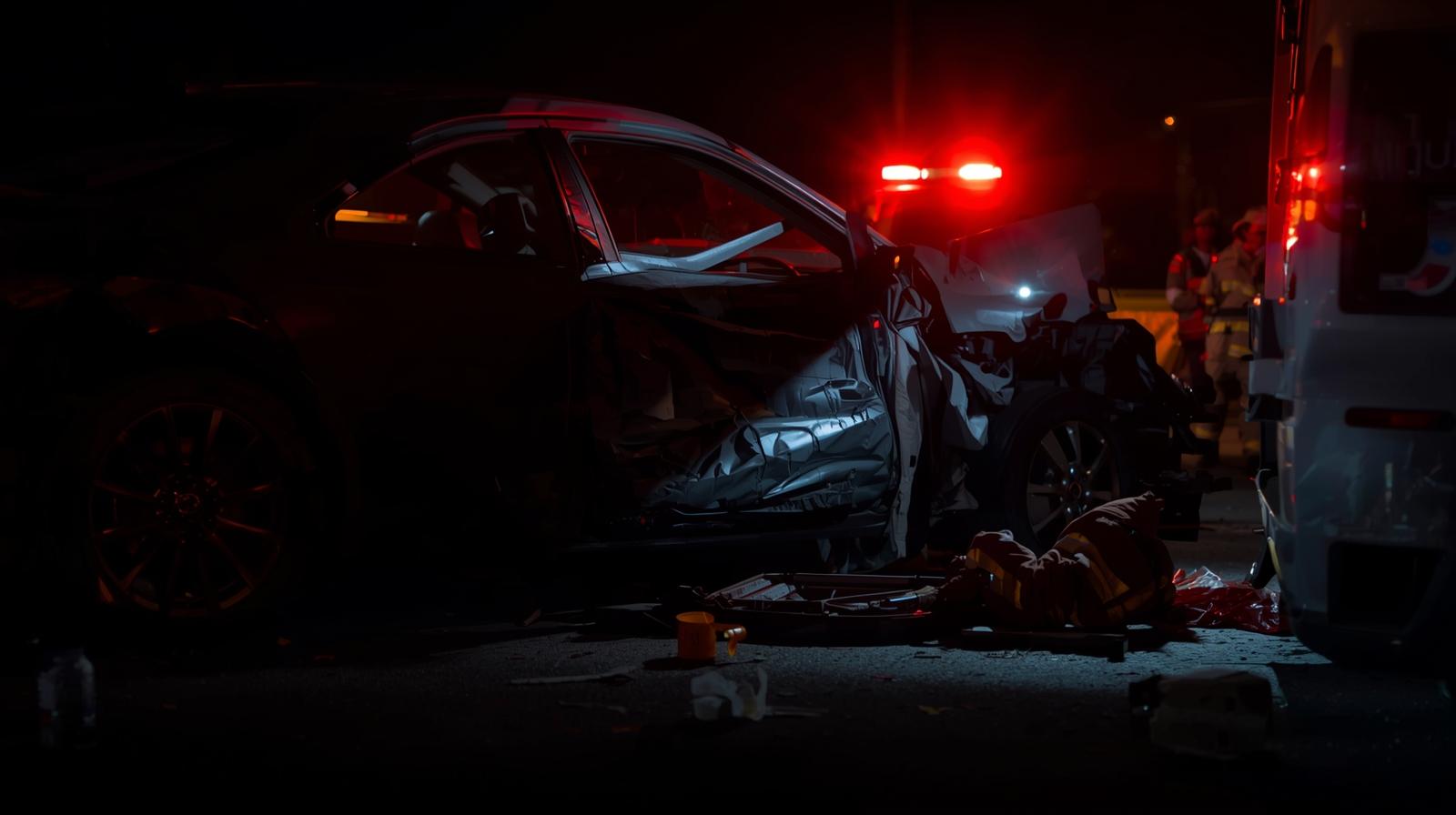
Fatigued driving is more dangerous than most people realize, yet many drivers still get behind the wheel when they know they shouldn’t. Exhaustion slows reaction time, weakens judgment, and causes drivers to drift into other lanes or miss critical traffic cues. These mistakes often lead to serious crashes that could have been prevented with proper rest. Victims deserve to understand why fatigue is never an acceptable excuse.
When someone chooses to drive tired, they put everyone around them at risk. The effects of fatigue are well-documented, and drivers are responsible for recognizing when they are too impaired to operate a vehicle. Ignoring these signs is a form of negligence, not an unavoidable accident. Understanding this helps victims protect their rights after a crash.
Why Fatigued Driving Mimics Drunk Driving
Research shows that being awake for too long affects the body in ways similar to alcohol impairment. A tired driver may struggle to maintain lane position, keep their eyes open, or respond quickly to sudden obstacles. These behaviors mirror the same dangers posed by drunk drivers on the road. Fatigue creates a hidden but powerful form of impairment.
Studies indicate that going 24 hours without sleep can impair someone as much as having a 0.10% BAC. Even missing a few hours of rest can significantly reduce alertness. Drivers often underestimate these effects and assume caffeine or music will keep them awake. Unfortunately, these solutions offer only temporary relief and do not eliminate the risk.
How Fatigue Builds Long Before the Crash Happens
Fatigue rarely appears suddenly; it develops over hours or even days of poor sleep. Drivers may feel “fine,” but still experience slowed thinking and delayed reflexes. These subtle impairments increase accident risk long before the driver notices them. By the time fatigue becomes obvious, it’s usually too late.
Sleep debt accumulates, meaning missed rest from the previous nights affects performance today. Stress, long work hours, or disrupted sleep schedules make the problem worse for many drivers who later seek help from a car accident attorney at Khamo Law after a fatigue-related crash. Many fatigued drivers don’t realize their impairment until a near-miss scares them. Sadly, others don’t recognize it until a crash has already occurred.
Early Warning Signs Drivers Ignore
Fatigued drivers display predictable warning signs, but many shrug them off. Repeated yawning, heavy eyelids, drifting between lanes, or missing road signs signal that the brain is losing focus. These symptoms occur even before microsleep episodes begin. Ignoring them is extremely dangerous.
Here are early fatigue warning signs often overlooked:
- Inability to remember the last few miles driven
- Difficulty keeping the vehicle centered
- Slow blinking or frequent rubbing of the eyes
- Trouble maintaining a consistent speed
- Feeling irritable or “zoned out”
- Needing loud music or cold air to stay awake
These behaviors show the driver is close to losing full control. At this stage, pulling over is the only safe option.
When Fatigue Leads to Microsleep Episodes
Microsleep episodes last only a few seconds, but those seconds are enough to cause devastating crashes. During microsleep, the brain briefly shuts down despite the driver’s eyes being open. The car continues moving, but the driver is effectively unconscious. This can lead to severe lane departures or rear-end collisions.
Fatigue makes microsleep more likely, especially during nighttime or monotone highway driving. Once a microsleep occurs, the driver has no ability to correct mistakes. Victims often describe these incidents as happening “out of nowhere,” but the signs were there long before. Microsleep is a major factor in many unexplained crashes.
Why “I Was Tired” Never Excuses Negligence
Drivers have a responsibility to recognize when they are too fatigued to drive safely. Choosing to continue anyway is considered negligence in most accident claims. Fatigue is a preventable condition, unlike sudden medical emergencies. This means drivers can be held fully accountable for harm they cause.
Courts and insurers rarely accept fatigue as a valid excuse because its effects are widely known. Public safety campaigns have warned about drowsy driving for years. When someone ignores these warnings and causes a crash, they are responsible for the consequences. Victims deserve full compensation for damages caused by this avoidable behavior.
How Work Schedules and Lifestyle Habits Contribute to Fatigue
Many fatigued drivers aren’t simply “a little tired”—they are operating under chronic sleep loss from long work hours or irregular schedules. Shift workers, medical professionals, truck drivers, and parents of young children often struggle with exhaustion. These lifestyle patterns dramatically increase crash risks. The lack of sleep becomes a long-term safety issue.
Understanding a driver’s schedule can reveal why they were too impaired to be on the road. Late-night shifts, long commutes, or multiple jobs create dangerous levels of fatigue. Attorneys often review timecards or employment records to show how exhaustion developed. These details can be crucial evidence in a fatigue-related crash.
What Victims Should Do After Being Hit by a Fatigued Driver
After a crash, victims should document as much as possible to preserve evidence. Taking photos, gathering witness statements, and requesting police reports can strengthen the claim. These steps help reveal fatigue-related behaviors at the scene. Acting quickly makes a big difference.
Victims should also seek medical care even if injuries seem minor. Fatigue-related crashes often involve severe impact due to delayed braking. A doctor’s evaluation helps connect the injuries to the crash. Proper documentation supports the victim’s long-term recovery and claim.
Staying Informed and Protecting Your Rights After a Fatigue-Related Crash
Fatigued driving leaves victims dealing with injuries, stress, and uncertainty, but understanding the cause can help them regain a sense of control. When drivers fail to rest, they put others at risk and are responsible for the harm they cause. Recognizing the signs of fatigue and knowing how these accidents happen empowers victims to take the right steps. Every piece of evidence collected makes the claim stronger.
Legal support also helps victims navigate insurance challenges and prove fatigue played a role in the crash. With the right resources, victims can pursue full compensation and begin rebuilding their lives. Awareness is one of the strongest tools victims have after a fatigue-related accident. No one should face the consequences of another driver’s exhaustion alone.